

This article is a follow-up to The Cold Start Problem of New Cities & States. Today, I’m going to focus on specific initiatives that new communities, cities, states, and Special Economic Zones (SEZs) can undertake to grow faster. I’m going to use Próspera and the Network School as examples, as they’re the leading communities in this space, and I know them best.
1. Don’t Split the Space into Different Enclaves
Most of the value of a community comes from the serendipitous meeting of people. This is why Steve Jobs designed Apple’s HQ like he did:
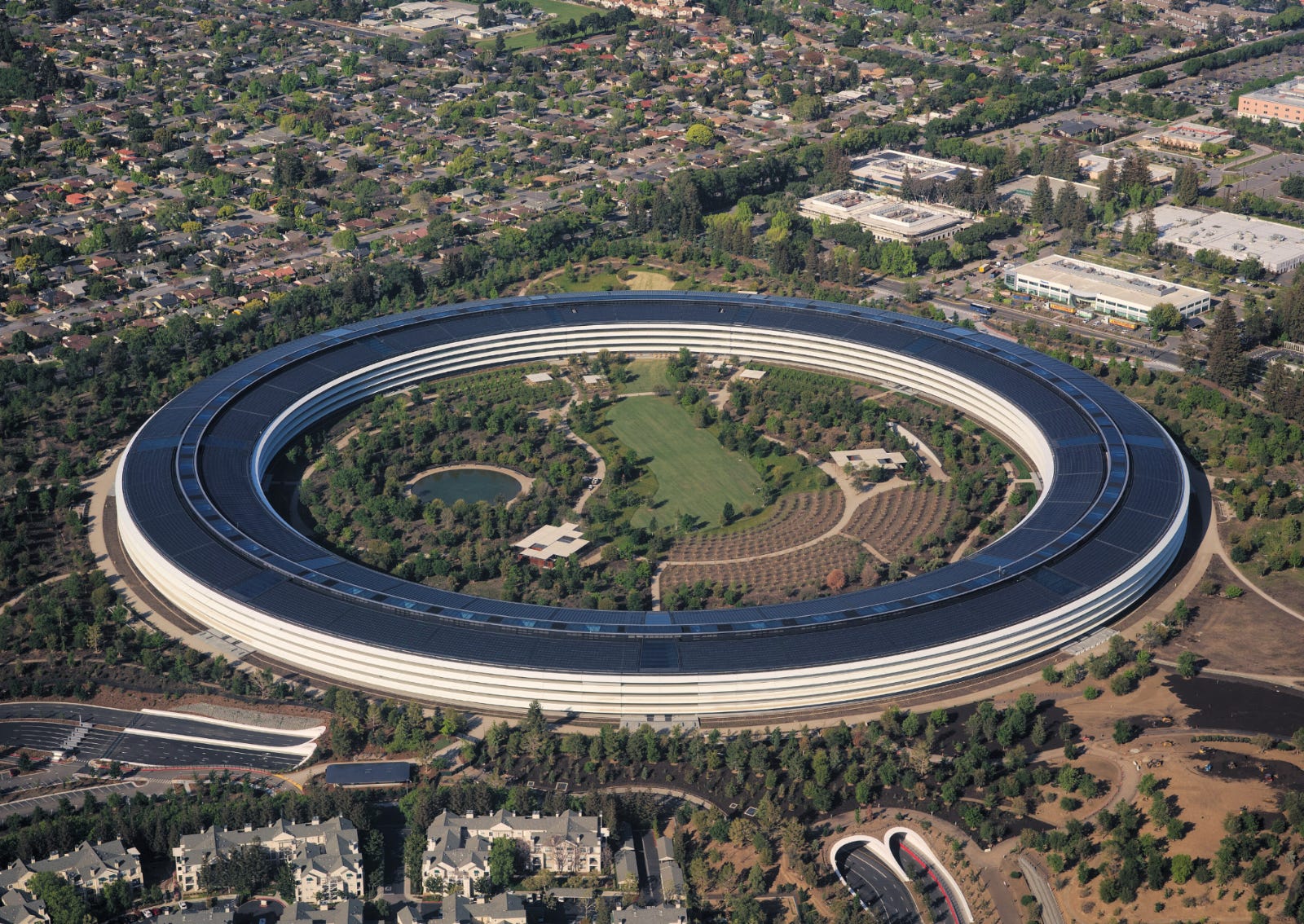
A single space, completely connected, where you’d naturally meet people from other parts of the organization en route to the carpark, the restroom, the kitchen, the coffee shop…
For that reason, if you’re building a new community, it’s very important to keep everybody together. This is not what Próspera has done:
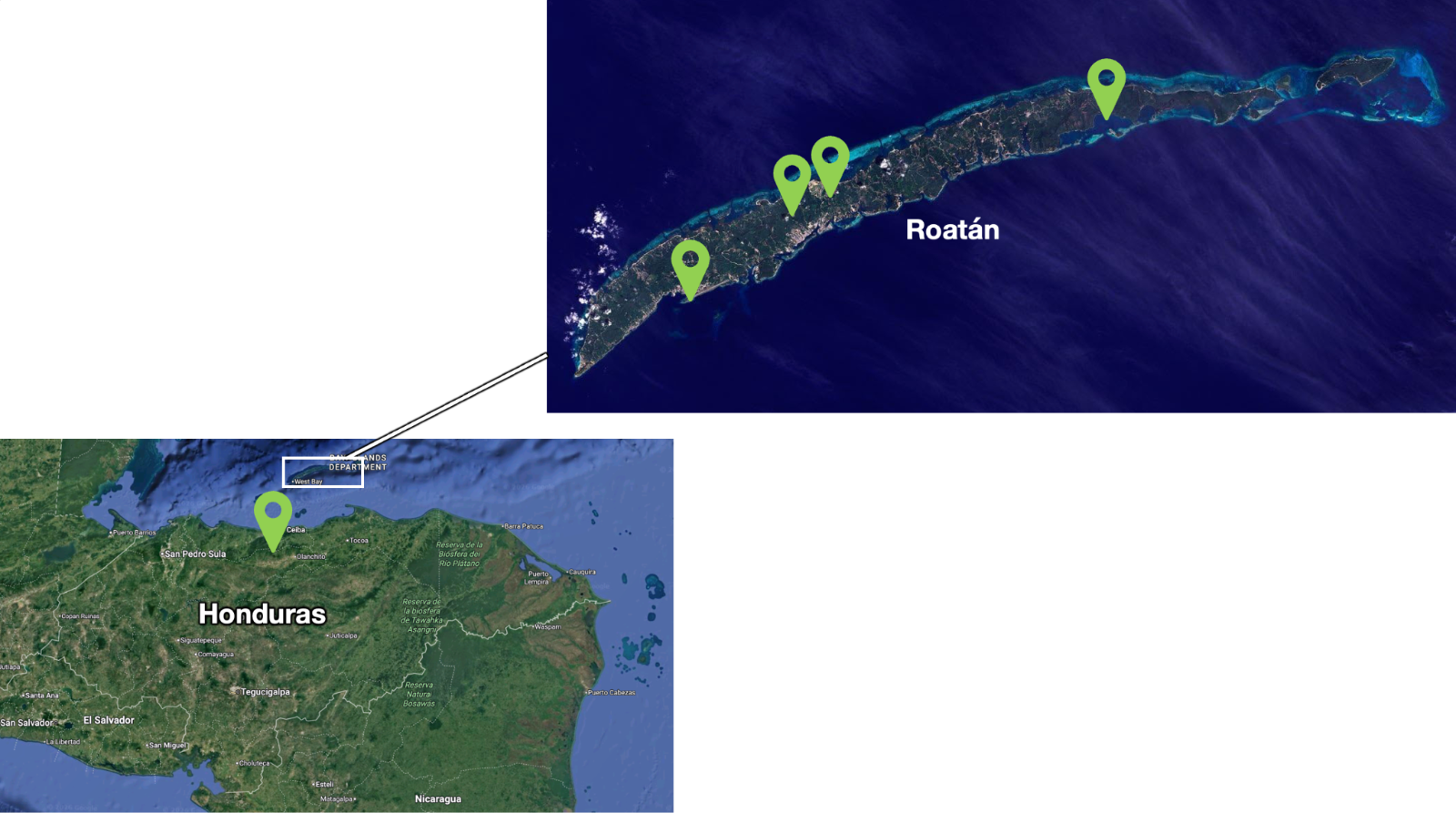
It has five enclaves: One in the continental port of Satuyé near La Ceiba, and four in Roatán (Beta District, Pristine Bay, areas in Port Royal, and a building in the main city).
The continental port makes sense, as it has a specific function connected to its geography.
But splitting the other ones is problematic, because each community ends up independent from the others and none benefit from network effects.
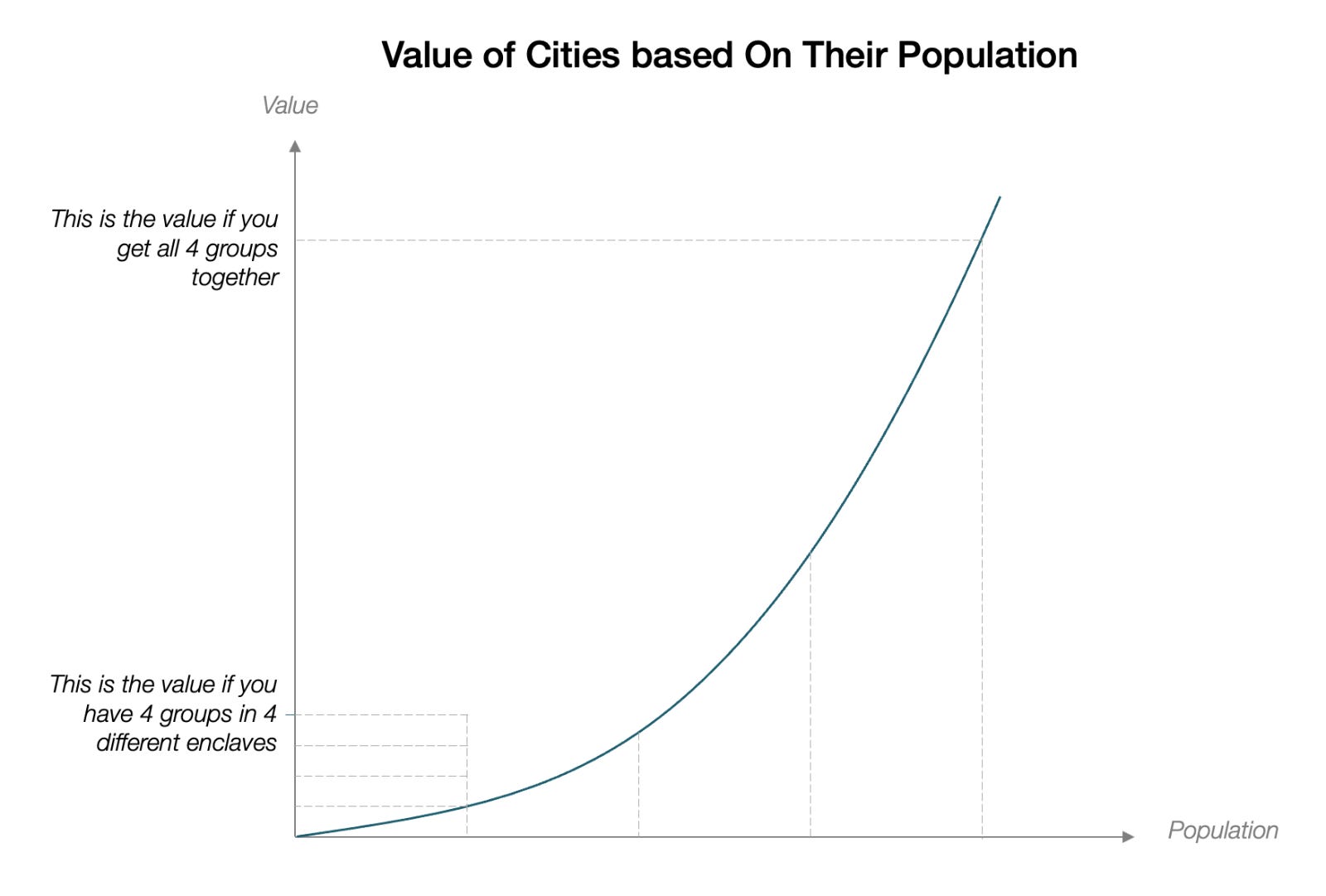
You feel it every time you have to take a car to go from Pristine Bay to the Beta District.
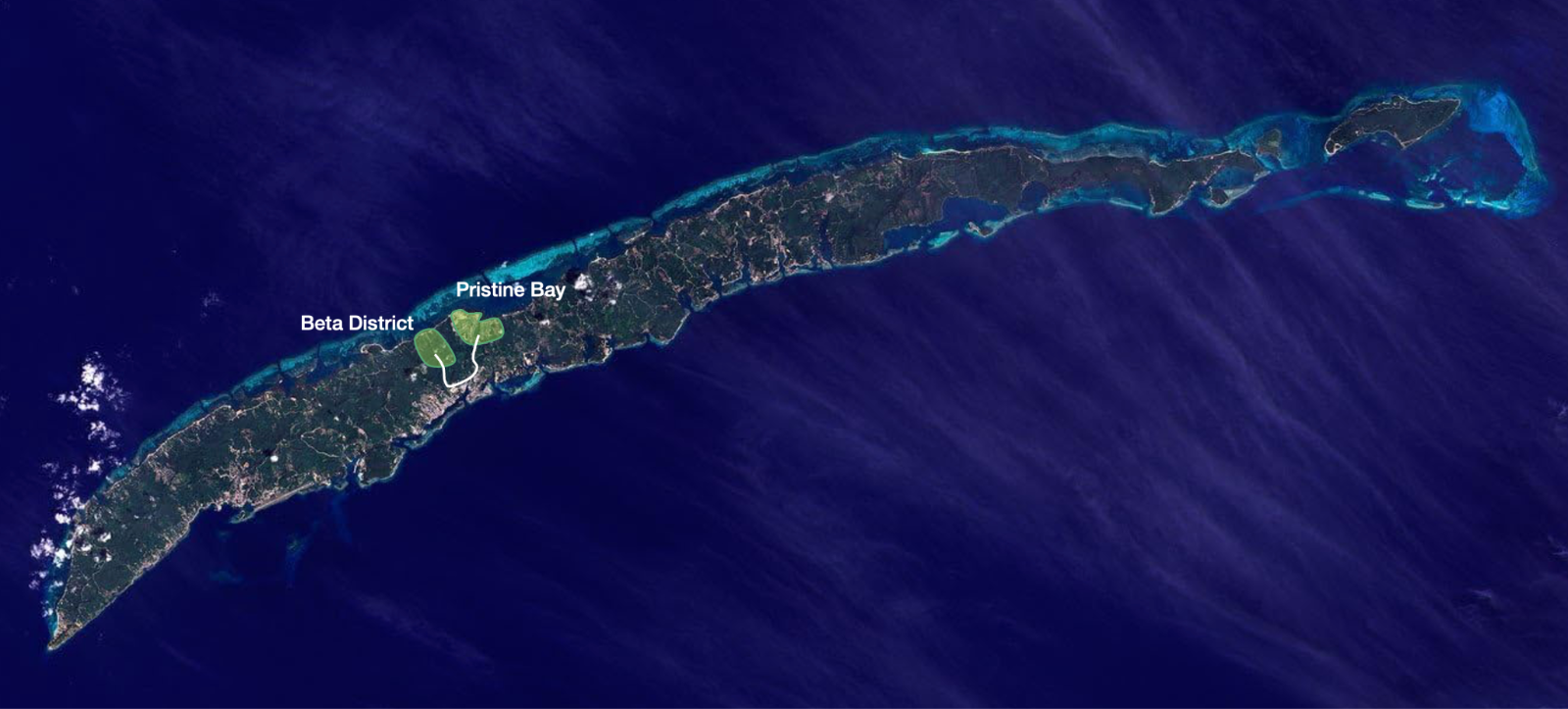
If you stay in Pristine Bay, you’ll stumble upon plenty of other residents of Pristine Bay, but few of the Beta District ones. You need events that are interesting enough to pull you from one to the other, so serendipity is limited.
The Network School in Malaysia has the same issue, but milder.
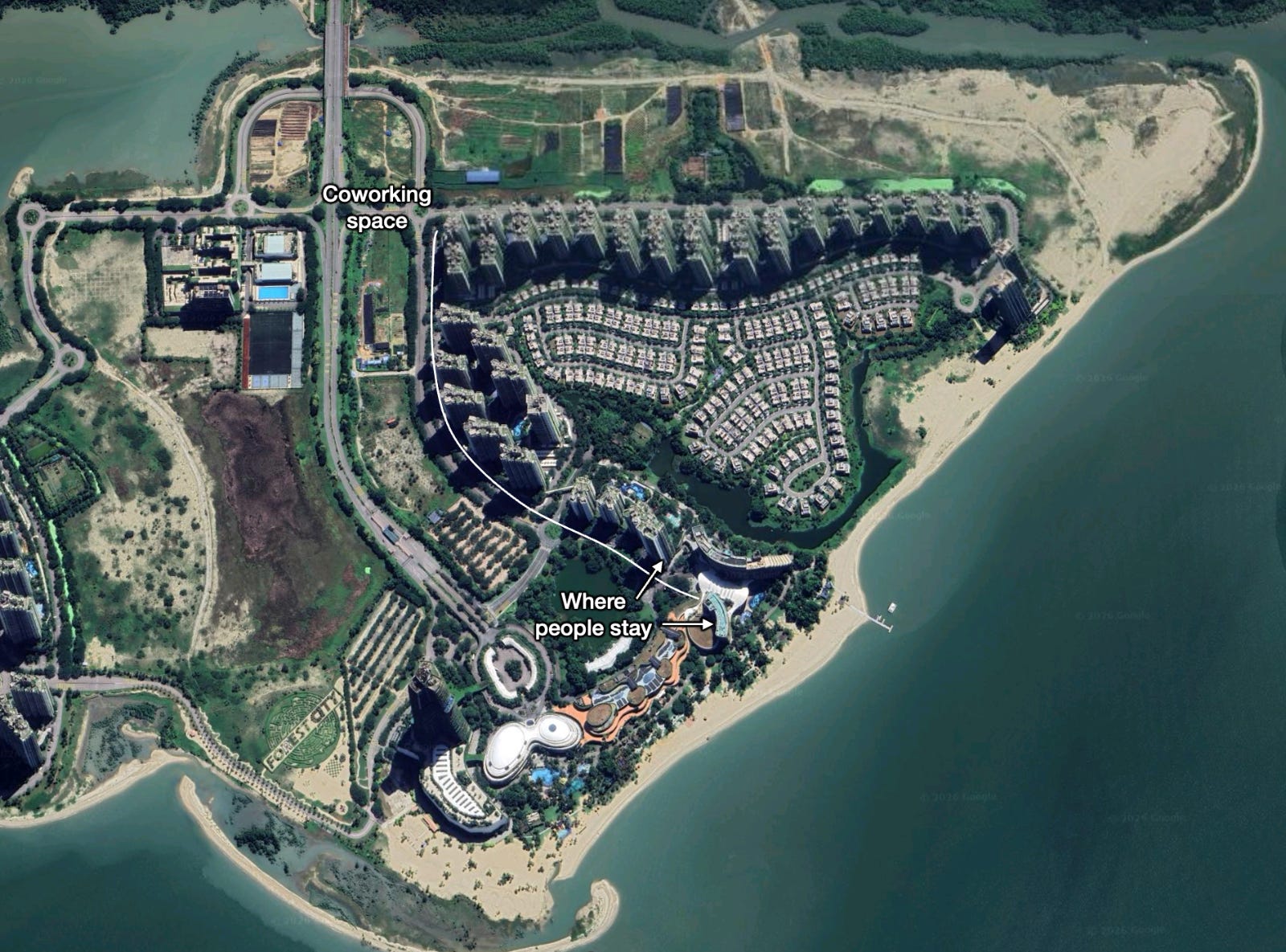
Most people stay in a hotel or in apartment buildings nearby, in the southeast. The coworking space is 20m away walking. One place would be better than two, but at least the walking is healthy, you can meet people on the way from one to the other, and everyone lives and works in the same areas. I’m sure the founders tried, and this is what they could get, so good for them for making it happen, even if it’s not ideal.
2. Don’t Build for Cars
This is adjacent to what I just mentioned.
If you have a community that’s small enough to walk everywhere, people will see each other all the time and will all end up meeting each other. In a car, every time you encounter someone else, what you see is another car, not another person. The distance makes it hard to recognize each other, and impossible to talk.
It’s also much easier to go downstairs and walk five minutes than to use your car for every errand, so people with cars will go out less—and meet fewer people.
This is relevant for Próspera, because although its two main enclaves are near each other, the road is basically the only viable path between them today. I walked along the beach from one to the other, which had some nice spots:
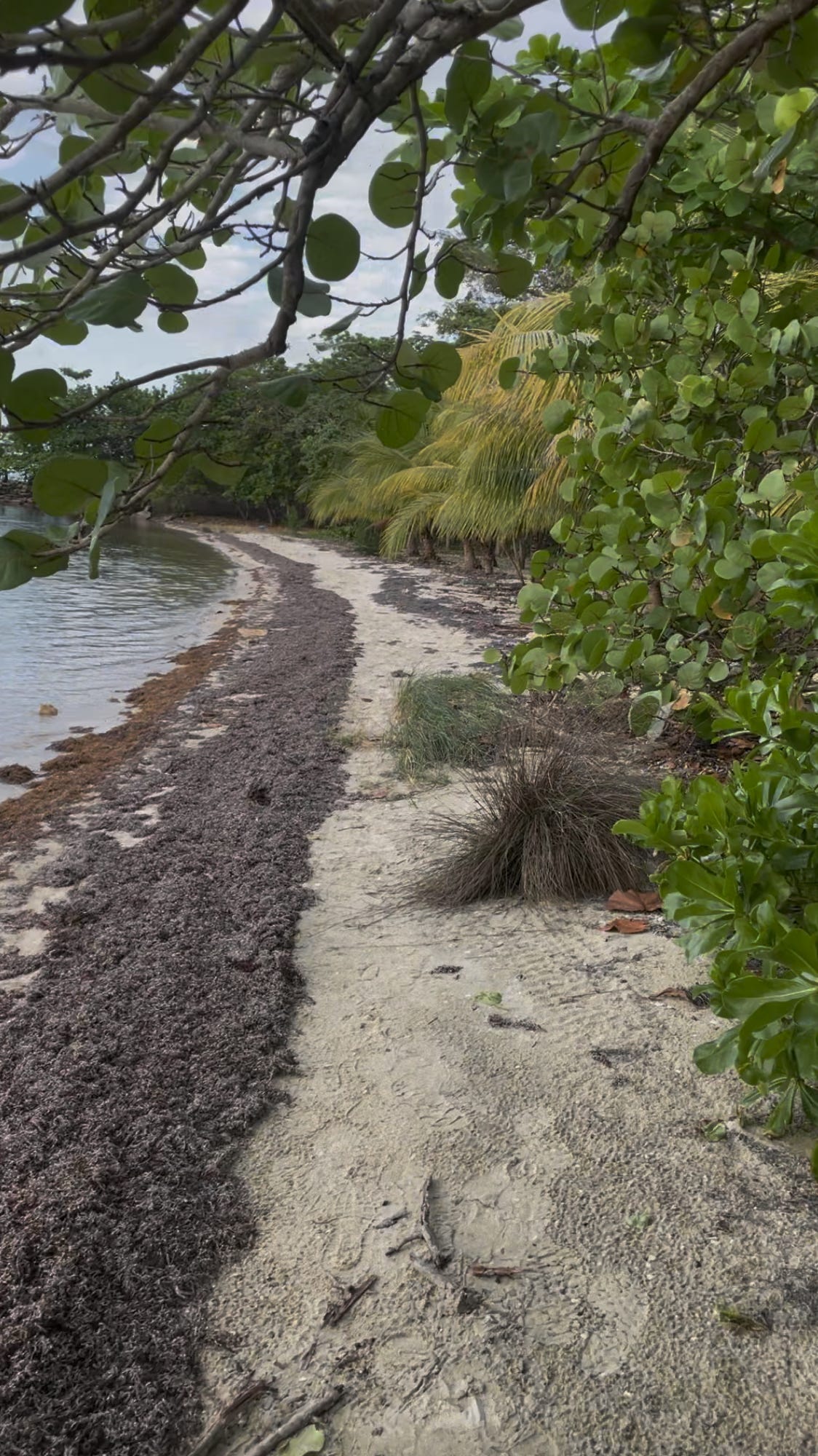
But also some less nice ones. And at night… Well, I’m not used to walking in pitch dark jungle, with its weird noises and the mud and the insects…
A better walking path between the two enclaves would be extremely beneficial to Próspera. Unfortunately, it doesn't own that land, and I believe building a path there would be expensive, illegal, or both. Personally, if it was just expensive, I’d do it. The alternative I heard mentioned was a water taxi service. I think that’s the next best thing. Anything that can cut the commute from 20 minutes to 5.
3. High Density
These are Tokyo and Paris.
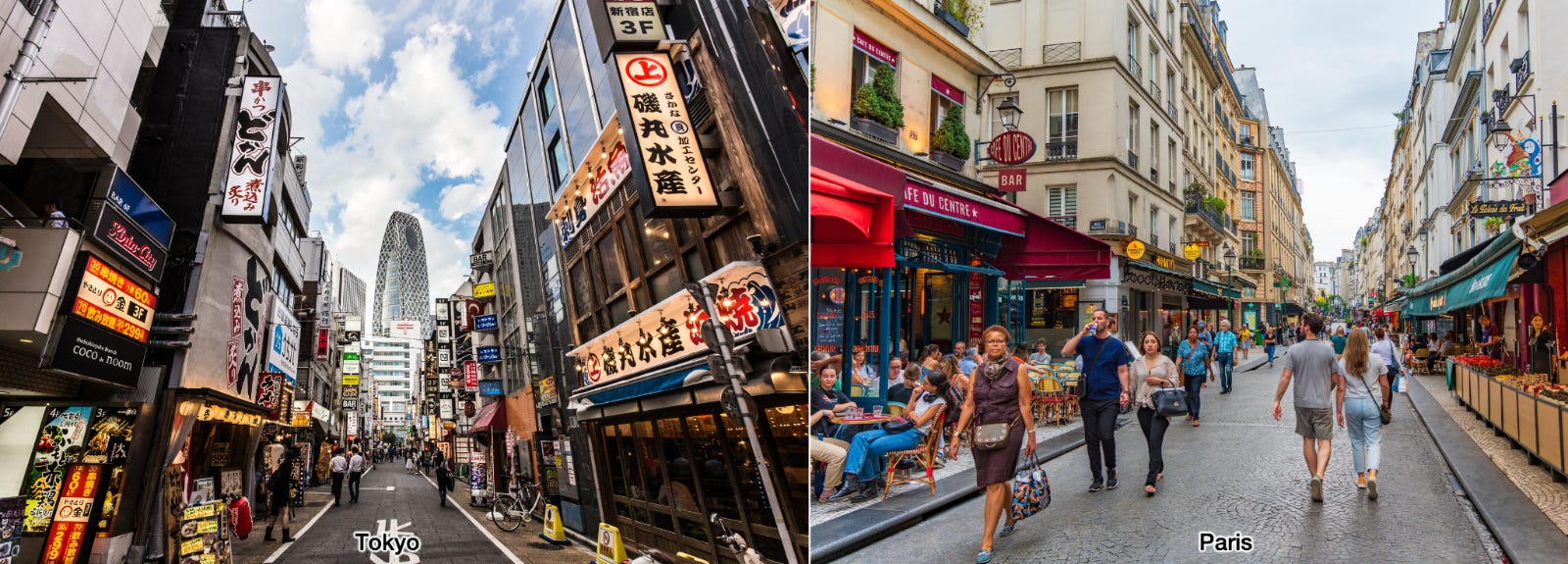
Aside from no cars, these streets feel good because they have plenty of people and shops. The shops are a consequence of the people (who can pay for their services), and the people are a consequence of population density (providing enough customers per square km). The density of people, in turn, is a consequence of the tall buildings, which can house many people. In these cities, apartments are relatively small, but taller buildings can accommodate bigger apartments.1
Here, both Próspera and Network School have had the right instincts.
NS houses people in a building originally designed as a hotel.
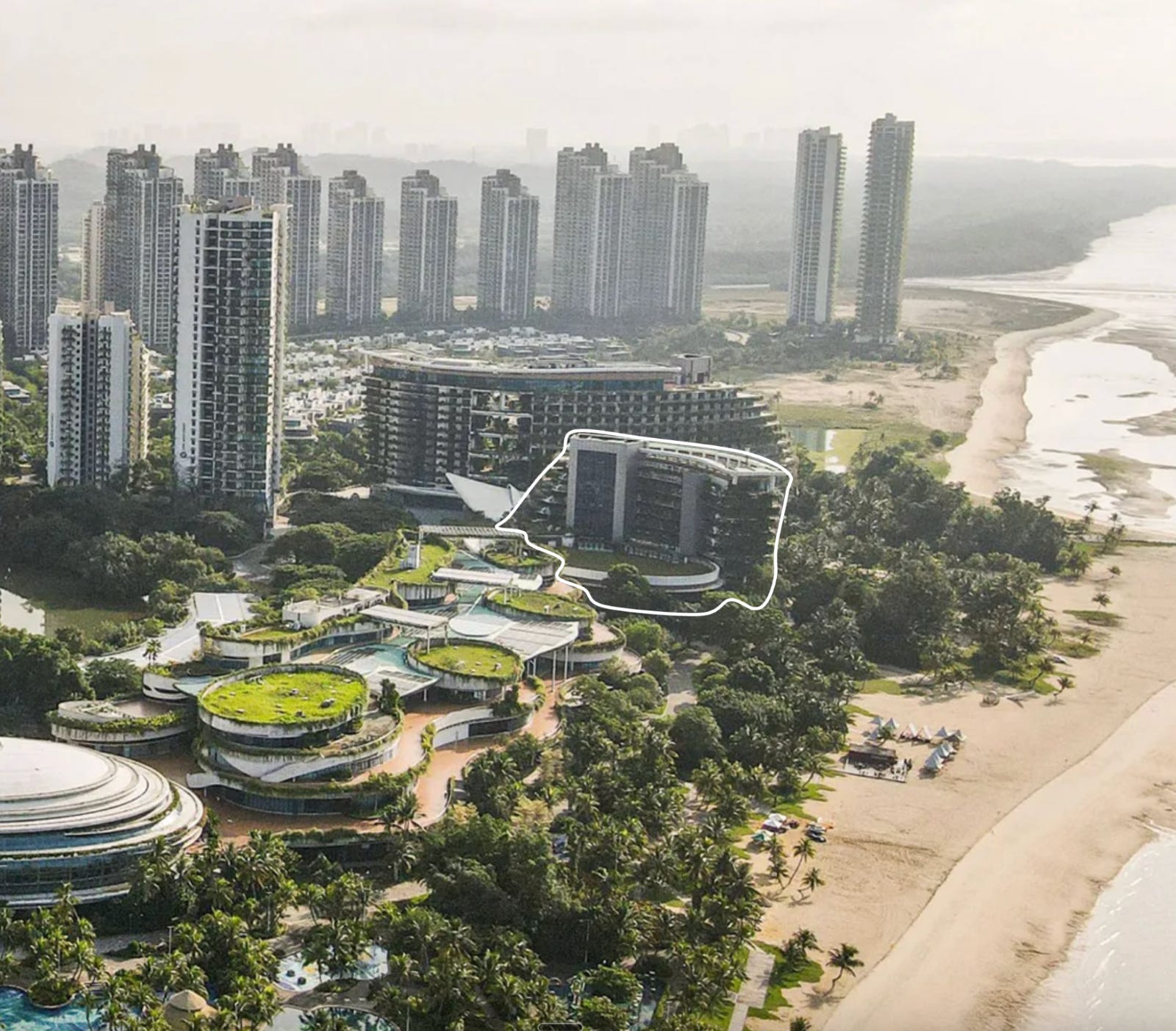
Próspera built the Duna building.
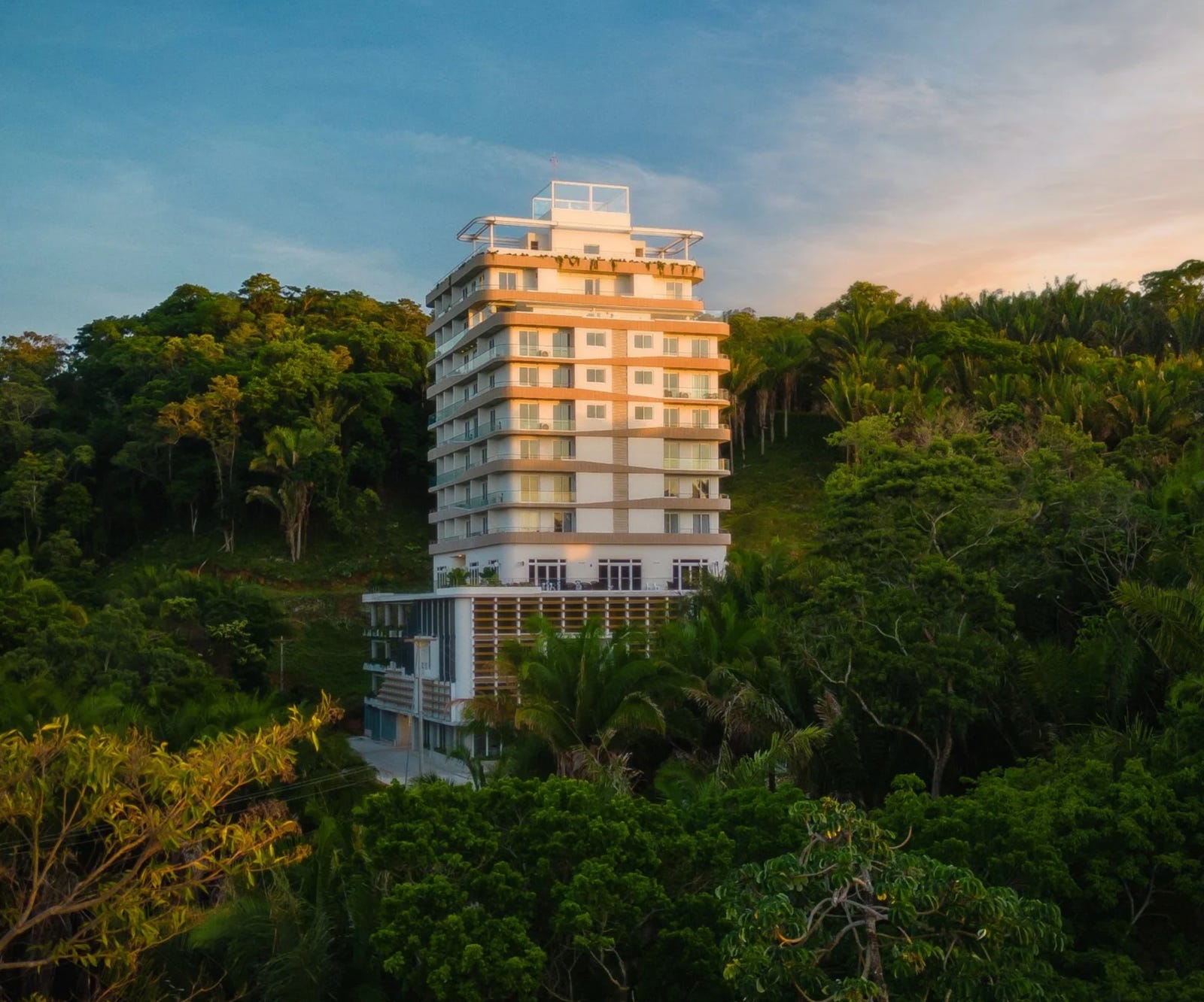
But one building is not enough. The next step would be to build more like this one, near each other, so that all residents can mingle and become customers of local shops.
4. Start with Cheap, Temporary Real Estate
There’s a chicken-and-egg issue with real estate: With few citizens, why would you invest in good real estate? But without real estate, why would you go live somewhere? The result is that either real estate developers take huge risks, or candidate citizens must choose between moving into terrible housing or not moving in at all.
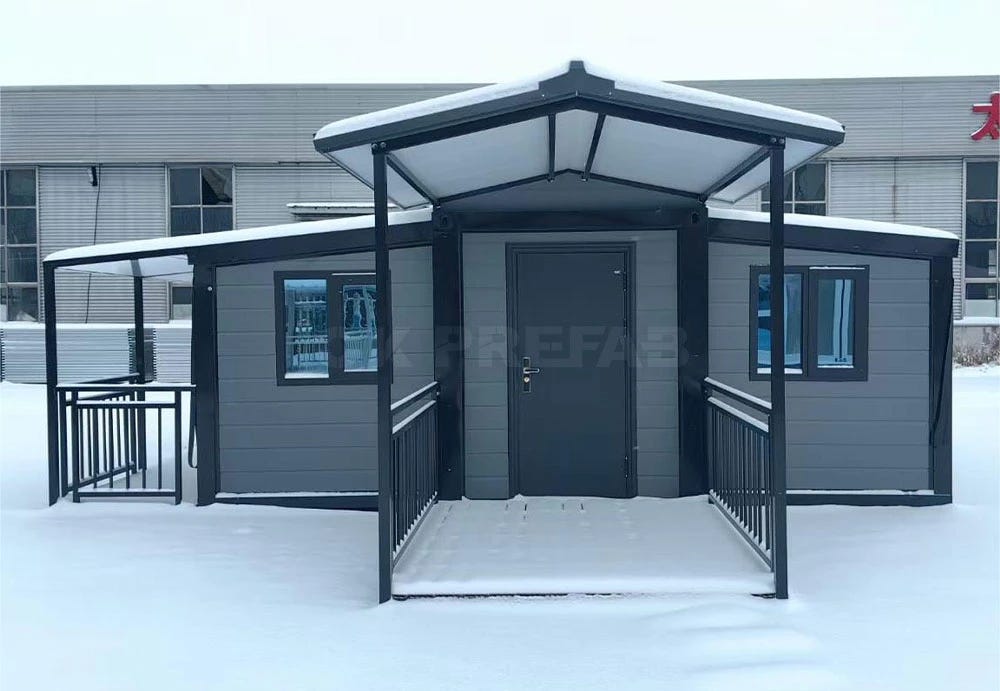
The solution to this is starting with temporary real estate. You can get high-quality yurts and houses for $10,000 apiece. Once you get a group of people living together and they decide they want to stay, you can make the bigger investment of long-term real estate.
15 more ideas: incentives, investments, monuments, influencers, dating, sex, religion, and more.
