

In the previous article, we visited Britain, Egypt, and Greece. Today, we’re going to journey through India, China, and Japan, and see how their different geographies pushed their architectures in different directions compared to those around the Mediterranean and in Britain.
India
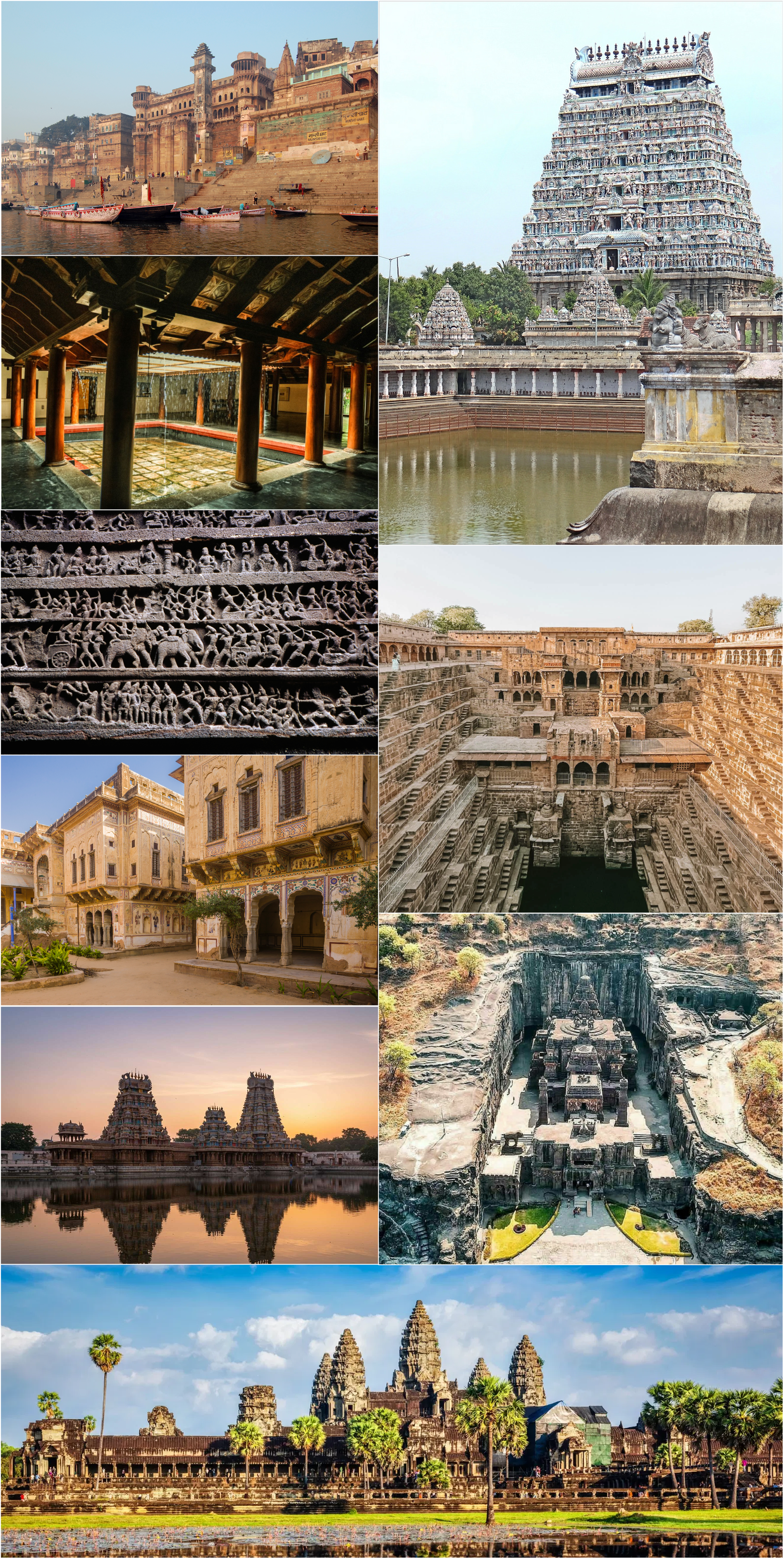
Whereas all of Egypt’s water comes from one single river, India’s water comes from one single season, the monsoon.
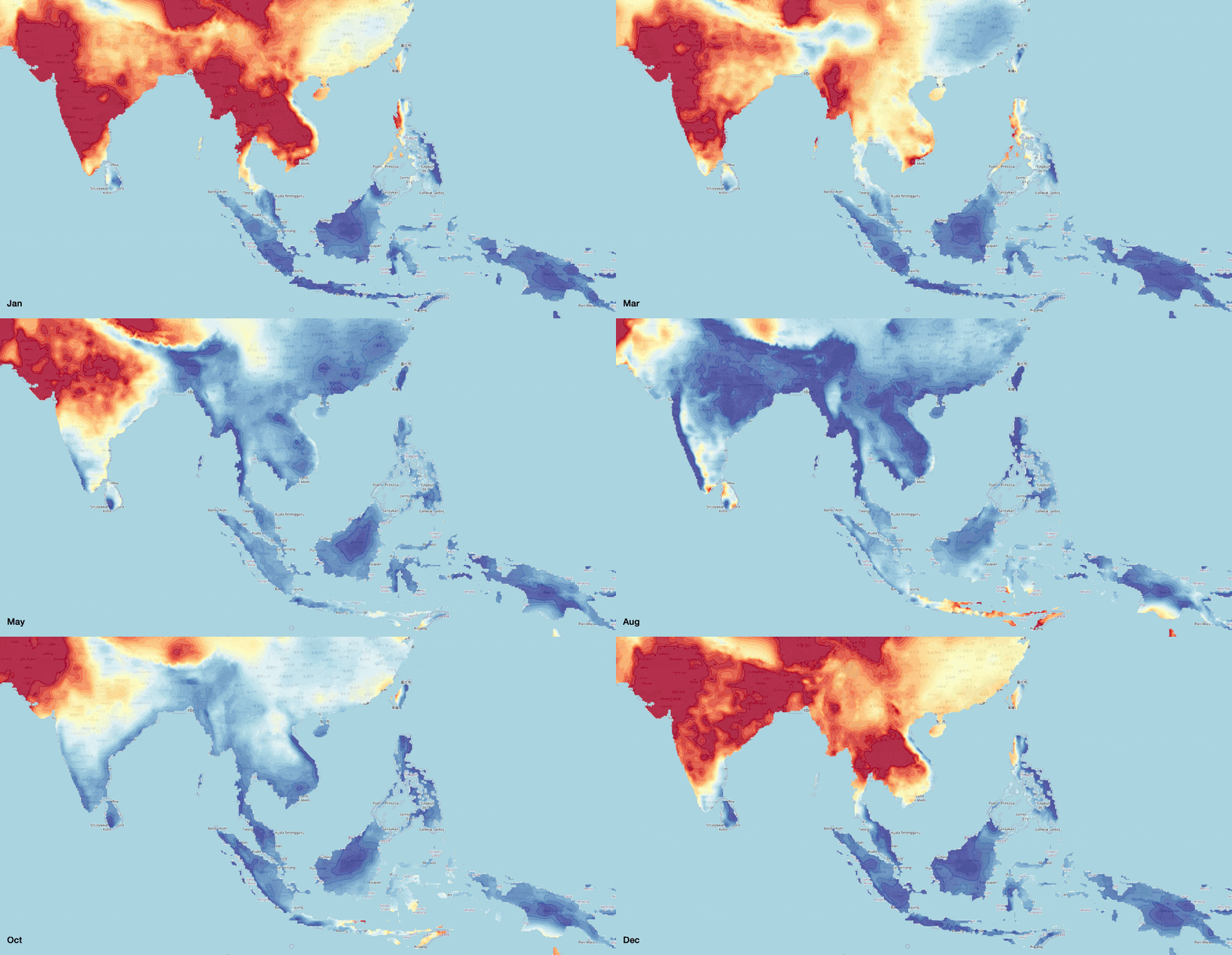
This has determined India’s architecture. A big chunk of its land (and most of its population) is in the Ganges Valley:
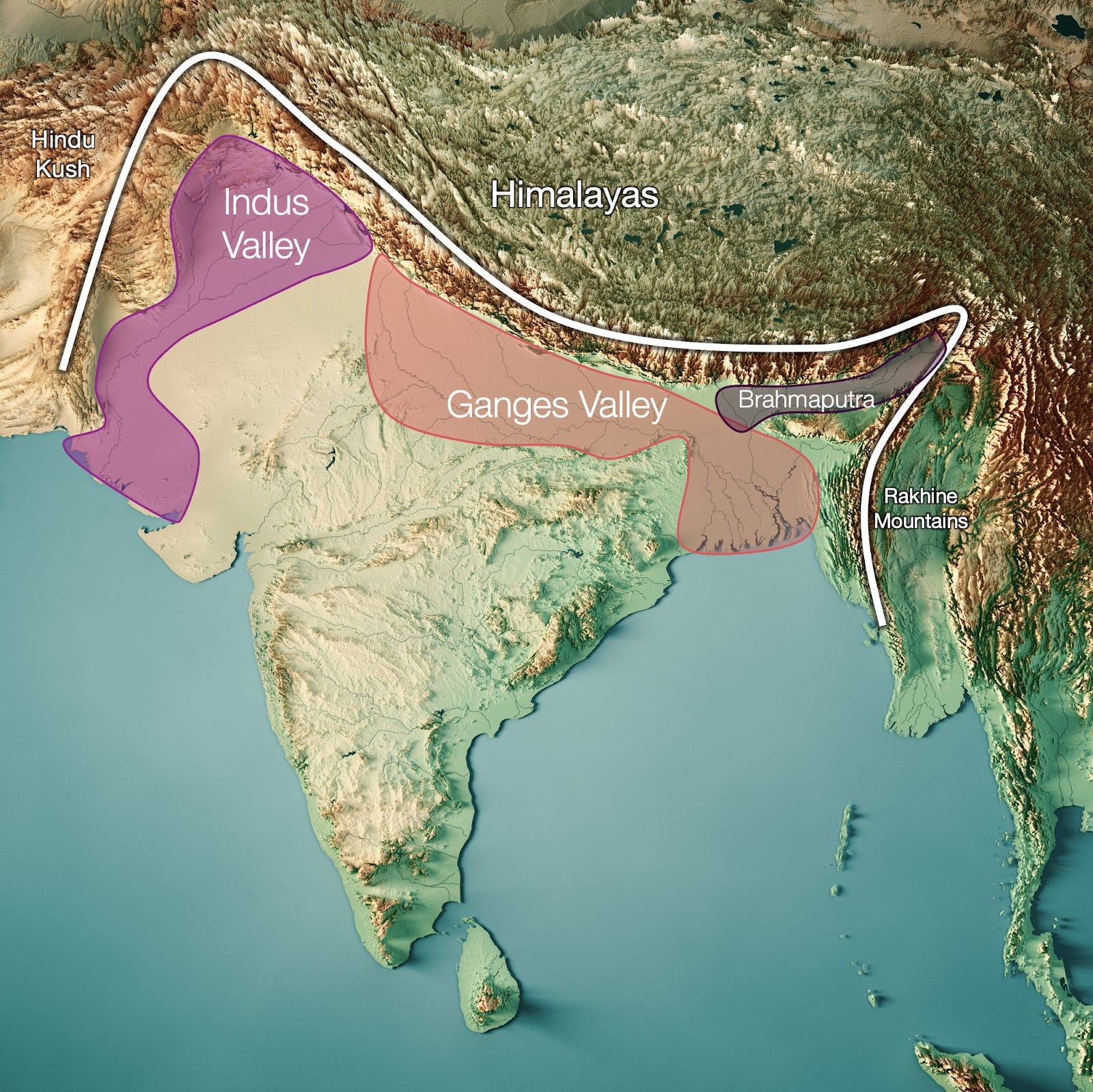
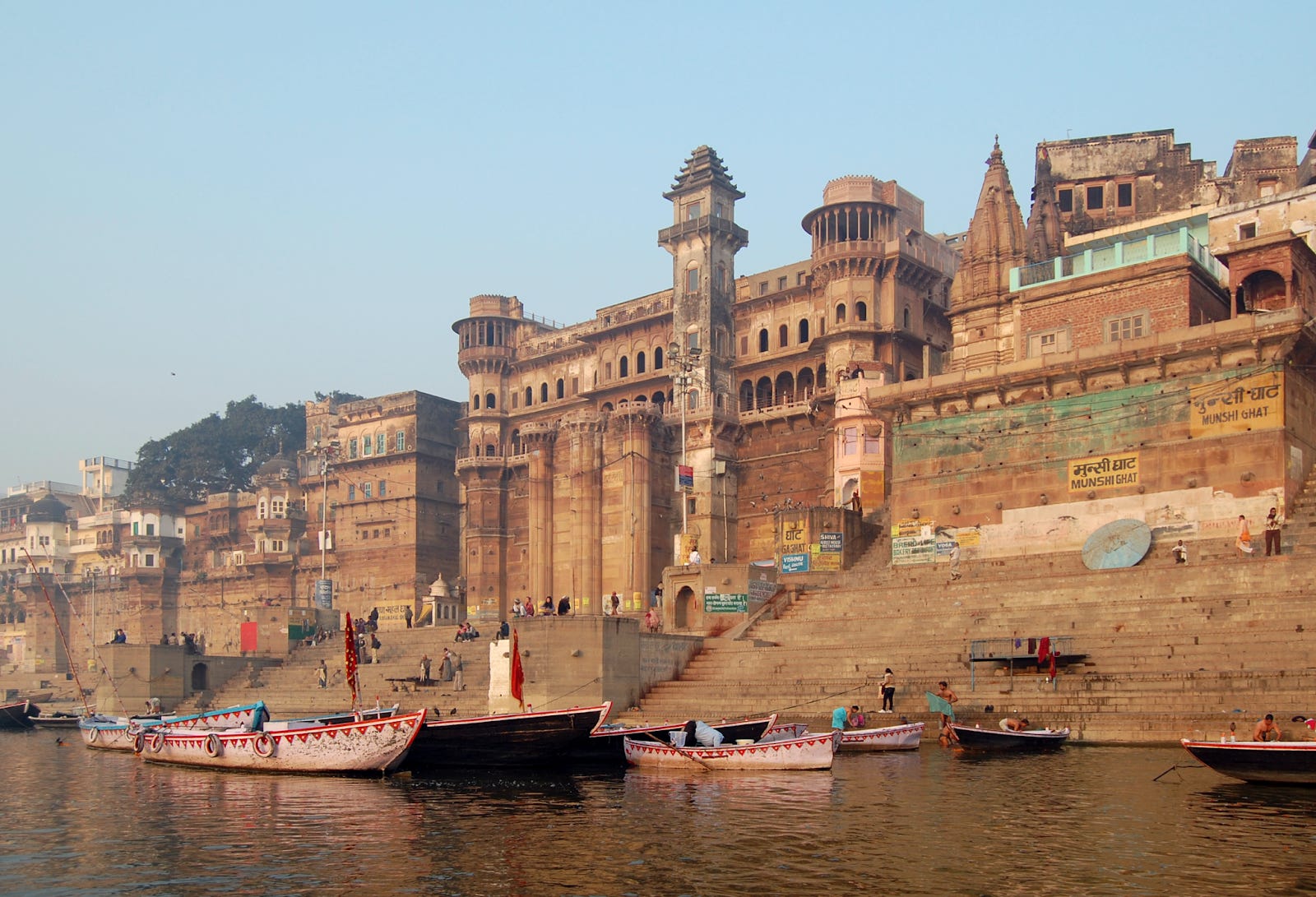
That valley is criss-crossed by the Ganges and its tributaries. When the monsoon floods the rivers, they bring sediment with them to fertilize the land. Water and sediment mean lots of people, and the rivers allow for cheaper trade. So many cities emerged on their riverbanks.
In the dry season, waters go down tremendously, though. So how do you make sure you can access the river at all times?
So water in India arrives dramatically, it leaves dramatically; it structures trade, it structures agriculture; it determines good years and bad years; it determines survival. Water cycles mean life and death. So they drive religion, pilgrimages, life and death rites.
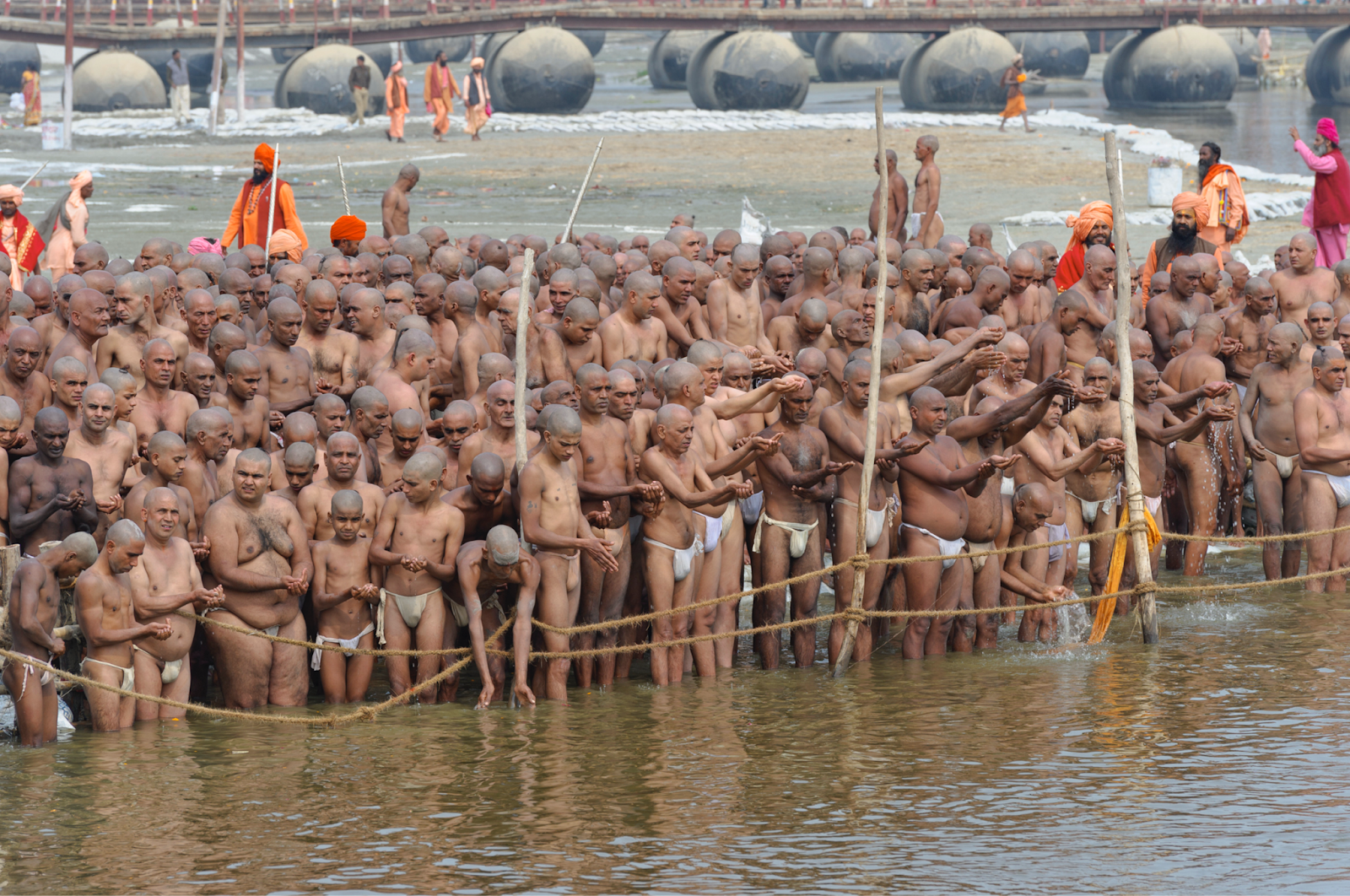
In places where water is scarcer, it’s even more important. So people store it.
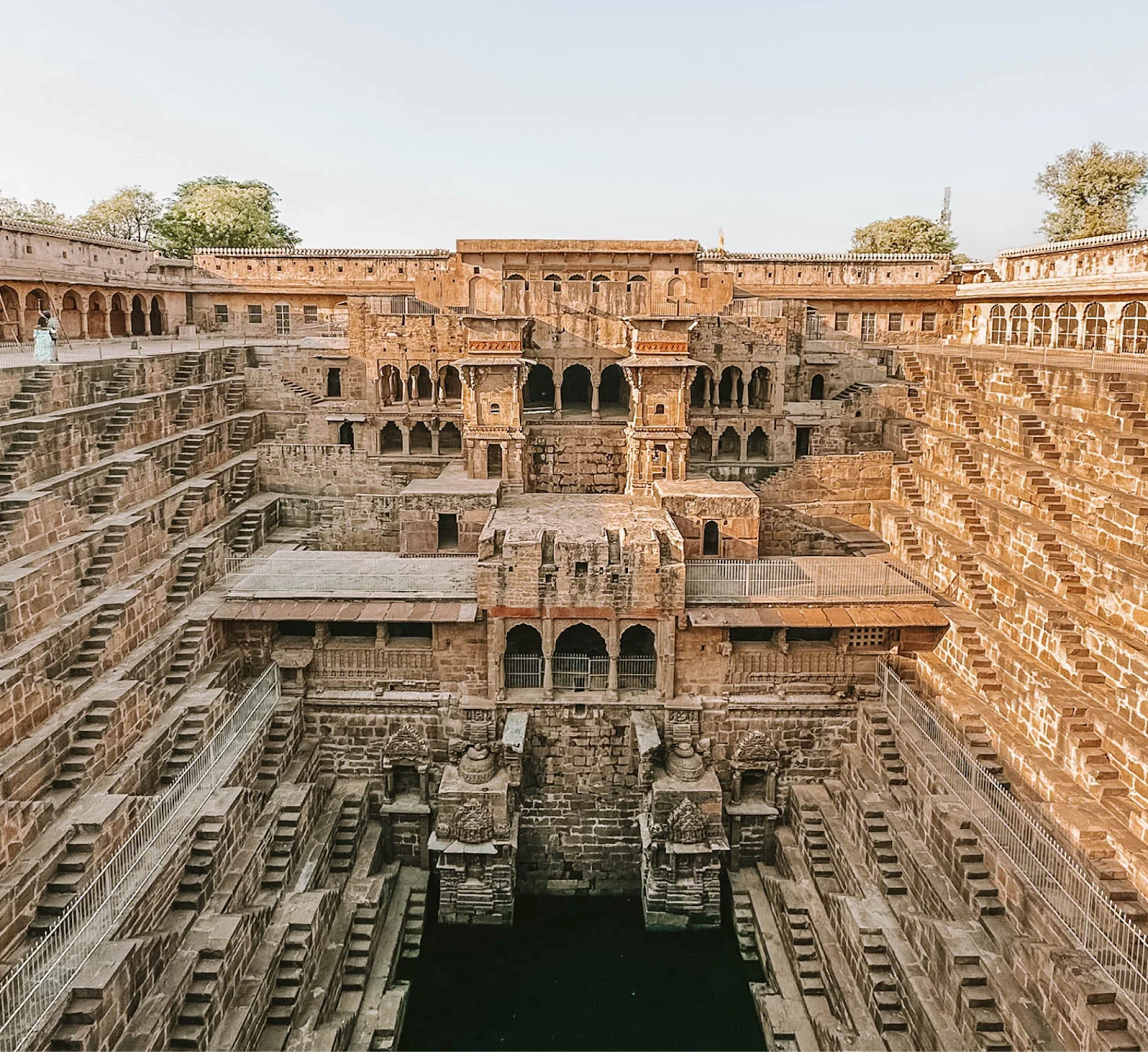
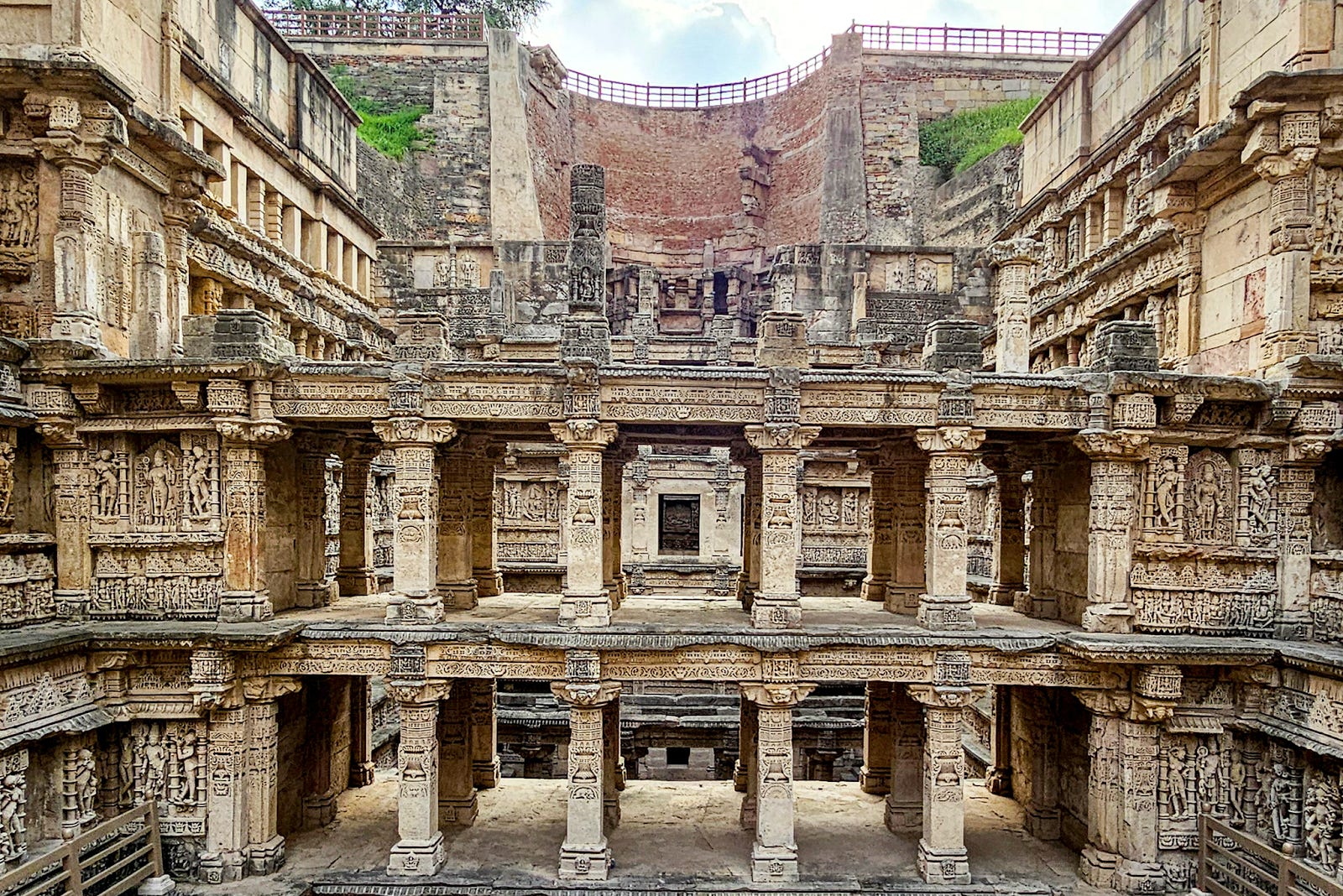
If you build storage for water, and water is holy, you end up building a decorated, inverted pyramid.
But you can only do that when it’s easy to carve into the ground.
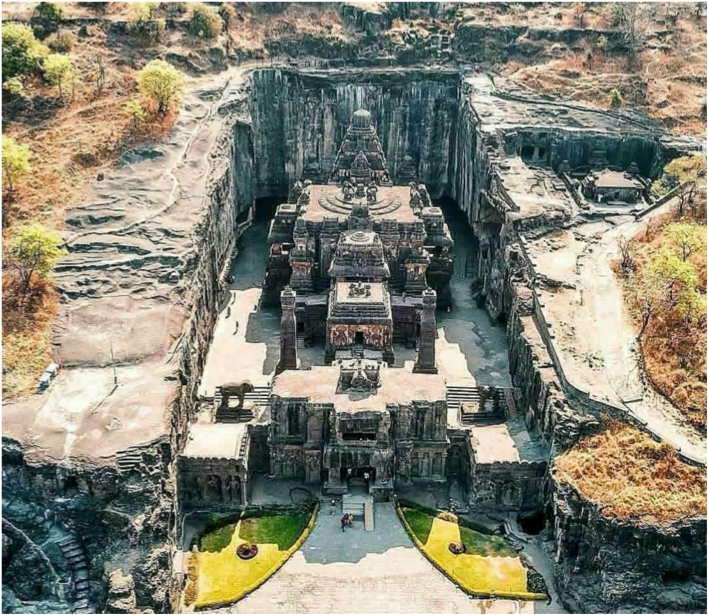
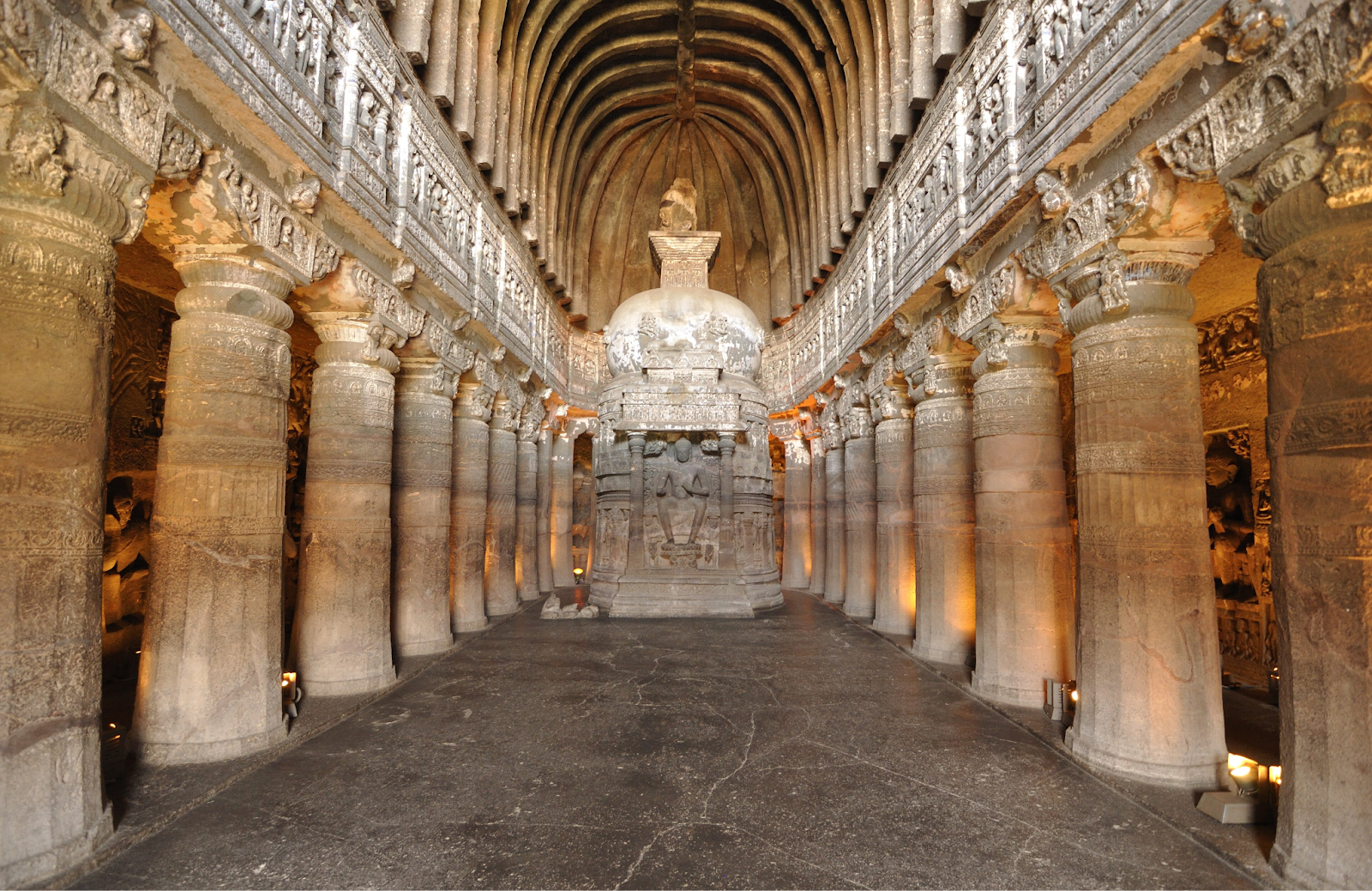
There are also temples carved into stone from the ground. They are not built by adding material, but by subtracting. In the case above, it’s carved inside a mountain from the Deccan, a massive volcanic plateau made of basalt. It can be extremely hard, but here it has joints and planes that can be exploited for carving.
As with pyramids, one of the reasons to do this is that it makes the building very bulky, which means temperature will be stable and fresh—ideal in the scorching heat of India.
These structures still need to stand, but they’re heavy, so we see small indoor spaces and lots of columns again.
Have you seen this type of video? Same energy.
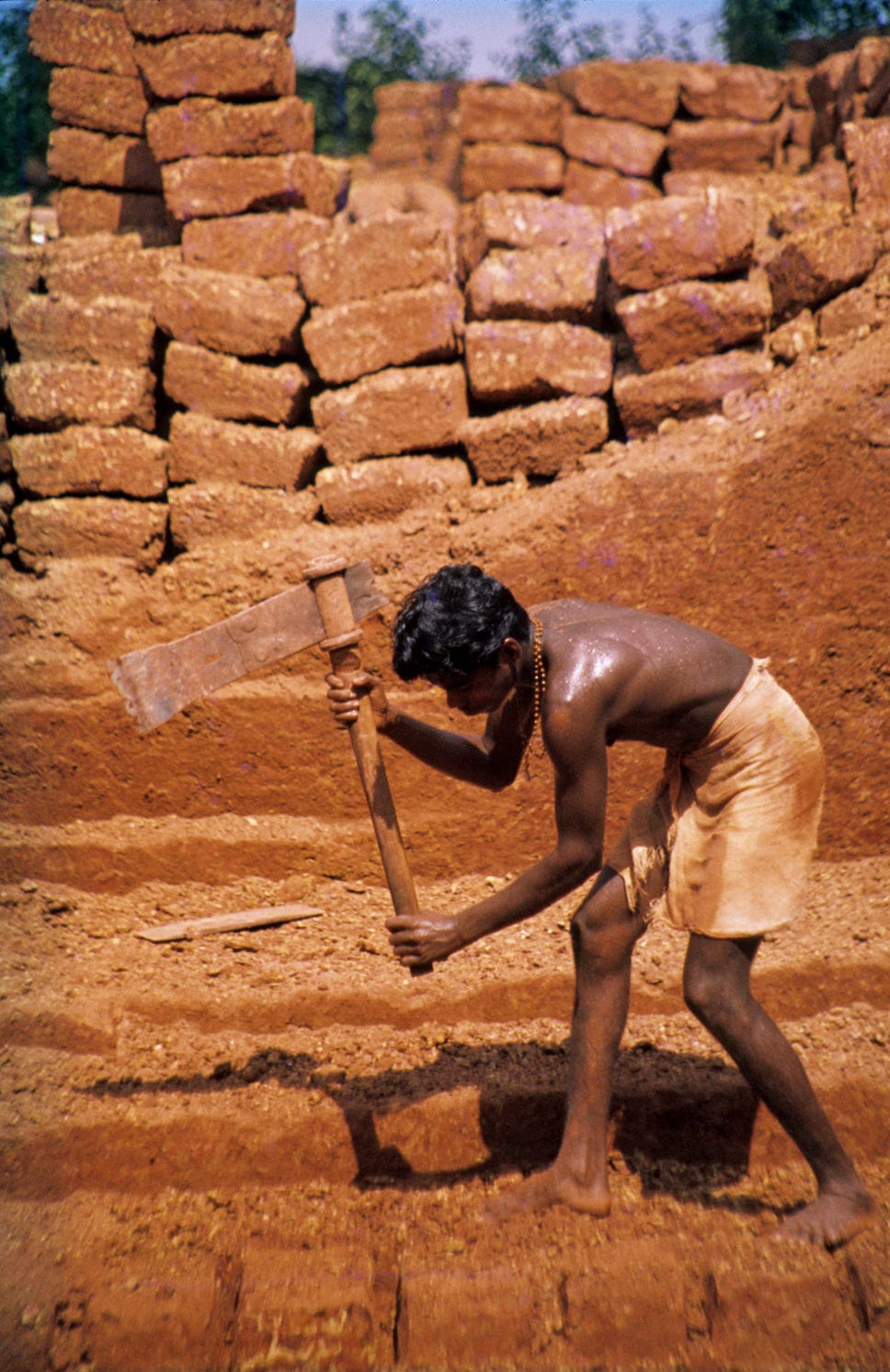
This video is from tropical Australia, where extreme weathering by constant rain and heat makes laterite, a certain type of soil that hardens with air. People can make bricks out of it.
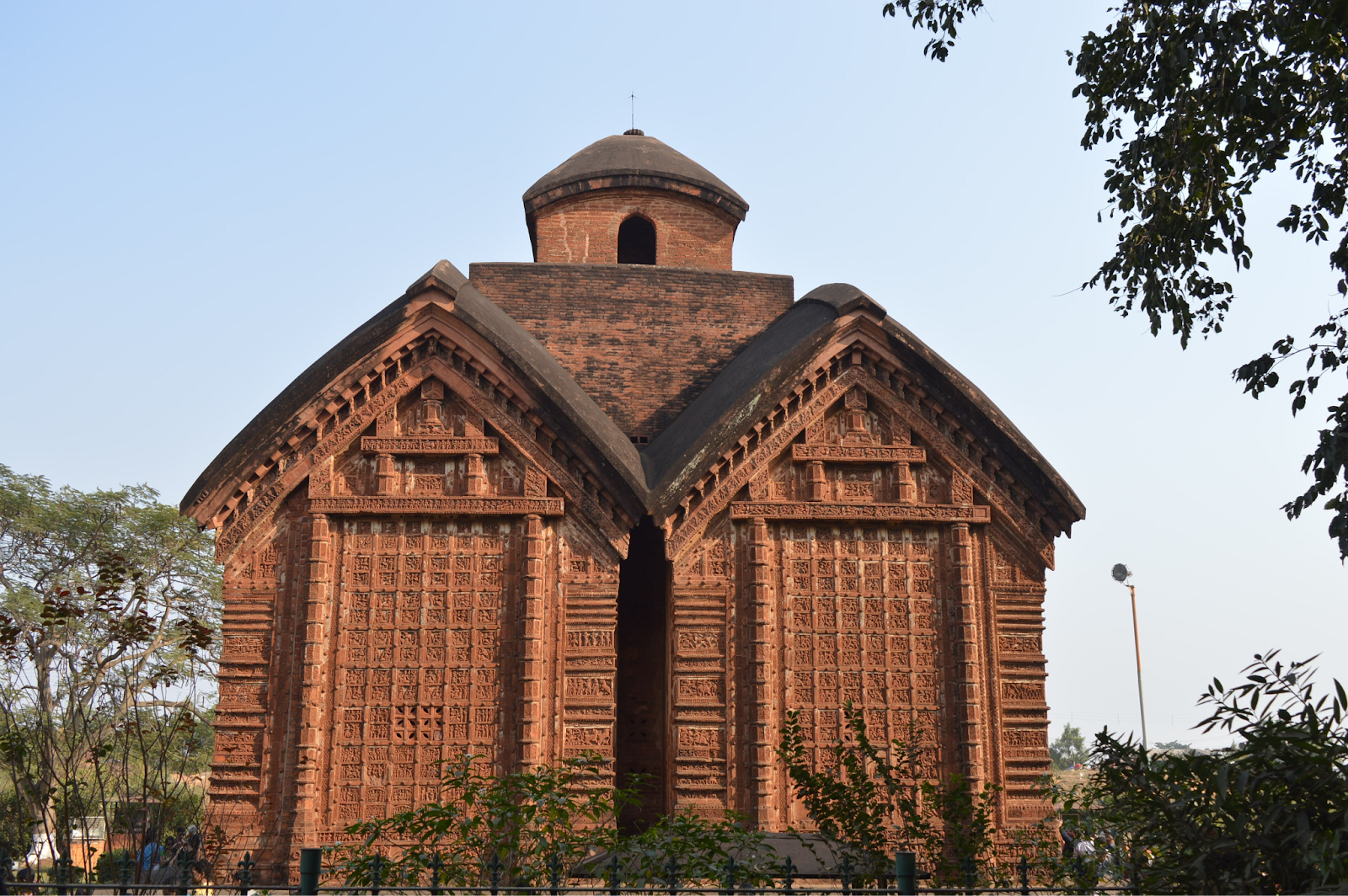
West Bengal, which has lots of this laterite, uses bricks for its temples.
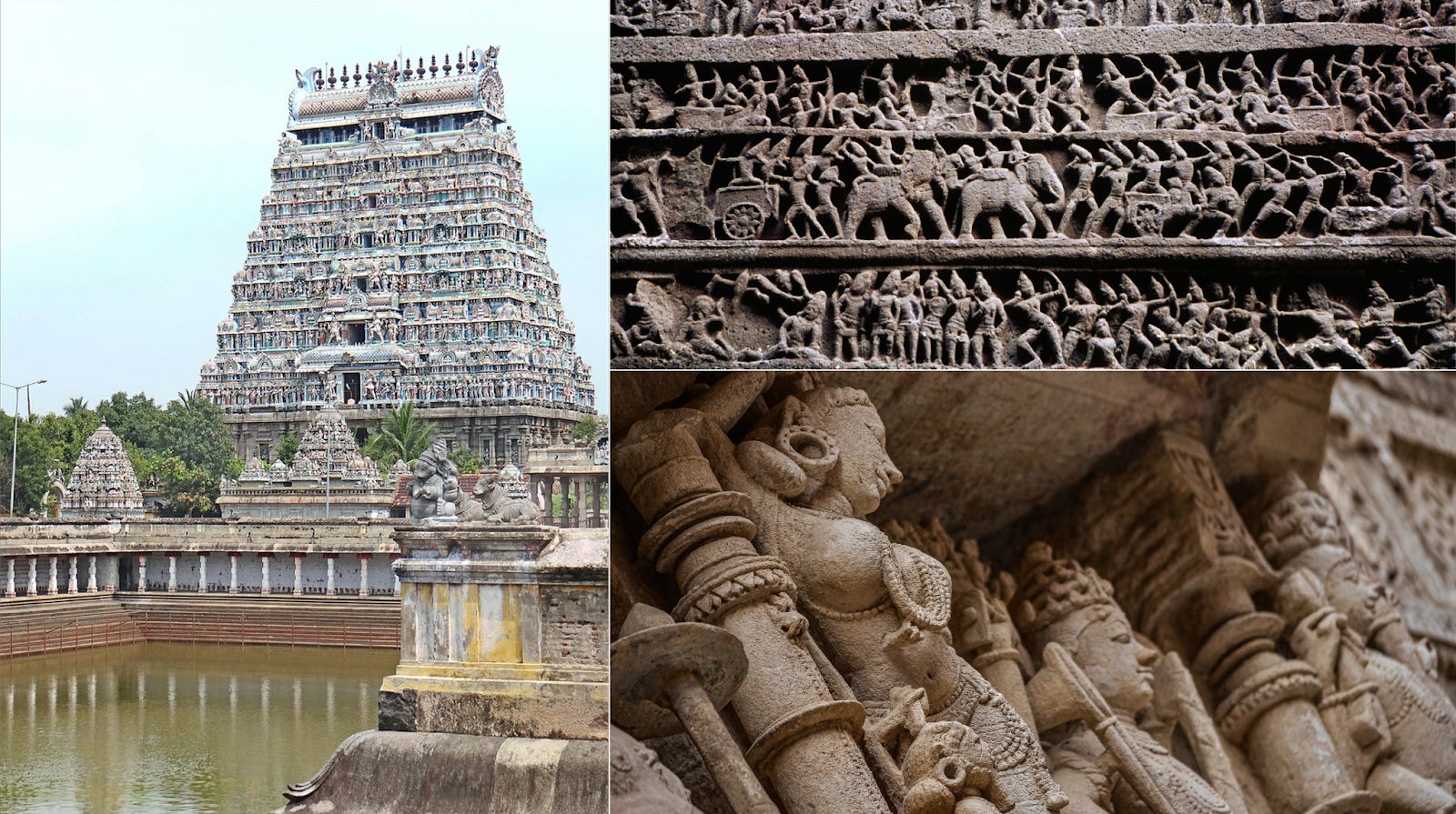
The result of these types of stone (laterite, sandstone, limestone, soapstone…) is that it’s not strong enough to create big indoor spaces without arches, but carving is easy, so decorations are extreme.
You combine these elements, and you get things like the inverted temple stepwell of Rani-ki-Vav:
However, not all India is like this. In some areas, it rains a lot more:
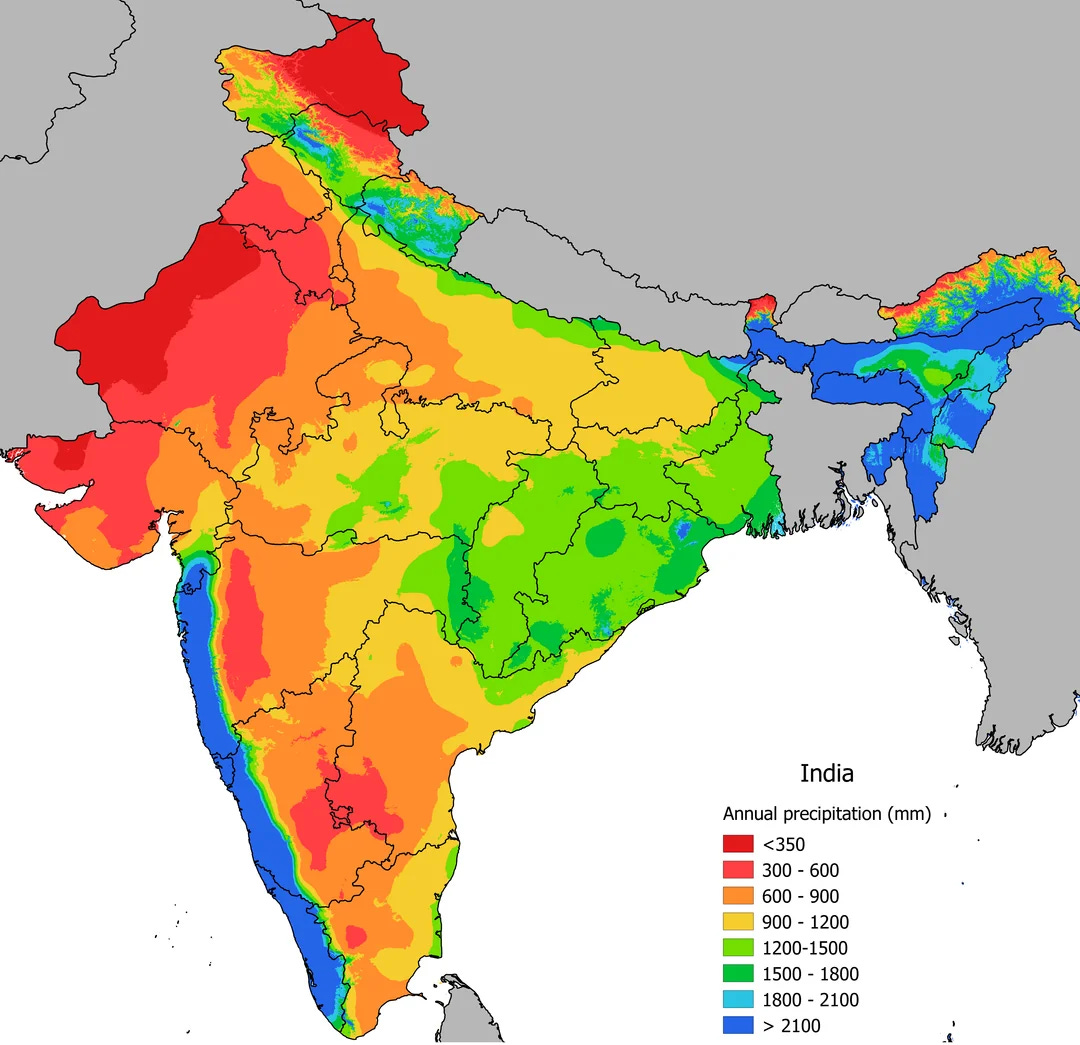
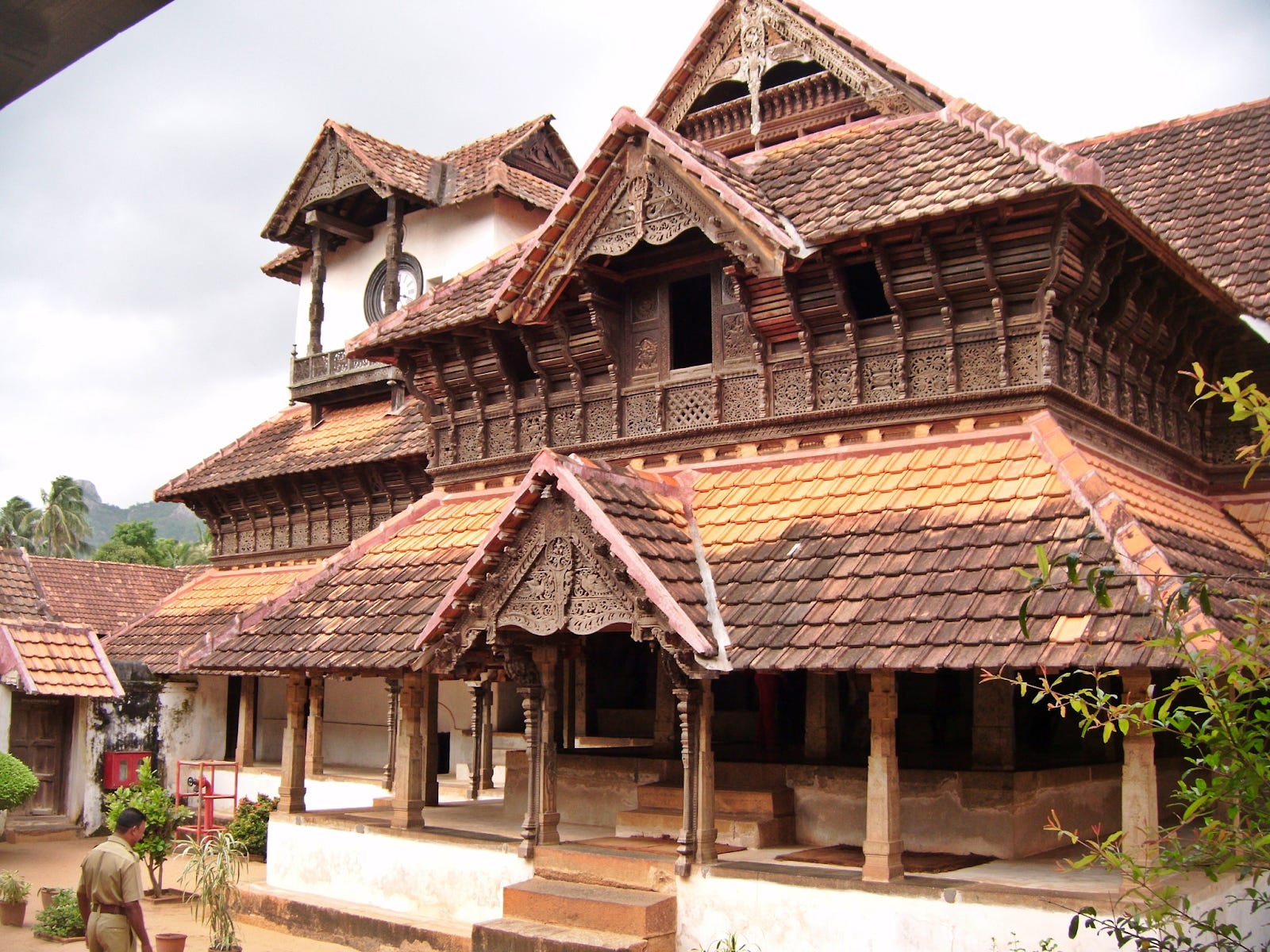
In Kerala, you need tiered slopes on your roofs that carry the water off, and since this is a mountainous area, timber is more available to make those. Since you don’t want this water to run on the walls, you’ll add cornices that eject the water out.
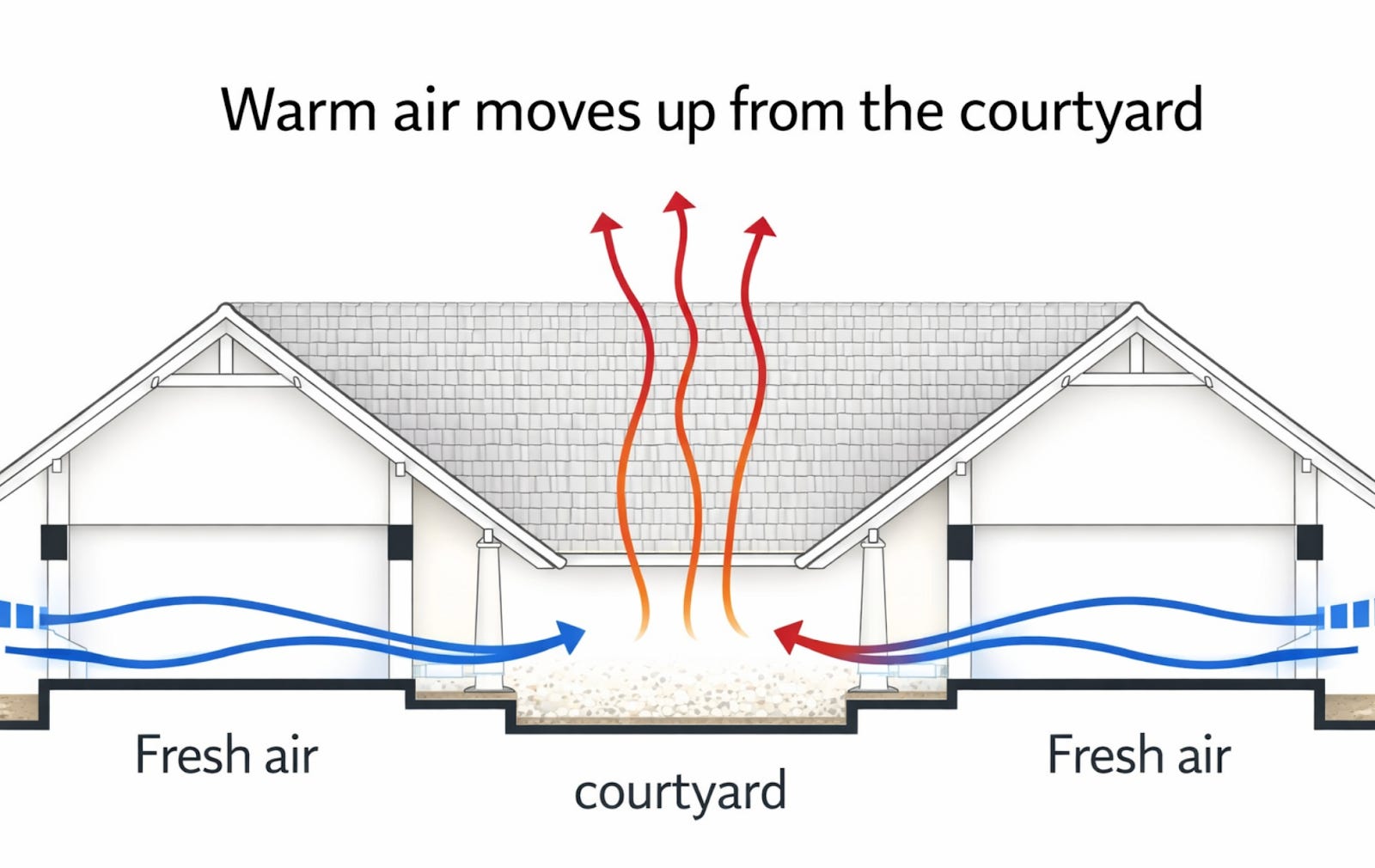
But in this area, the climate is very hot and humid, and you want air to circulate all the time to refresh you and to avoid mold, so houses have a central opening.
The Nalukettu was born.
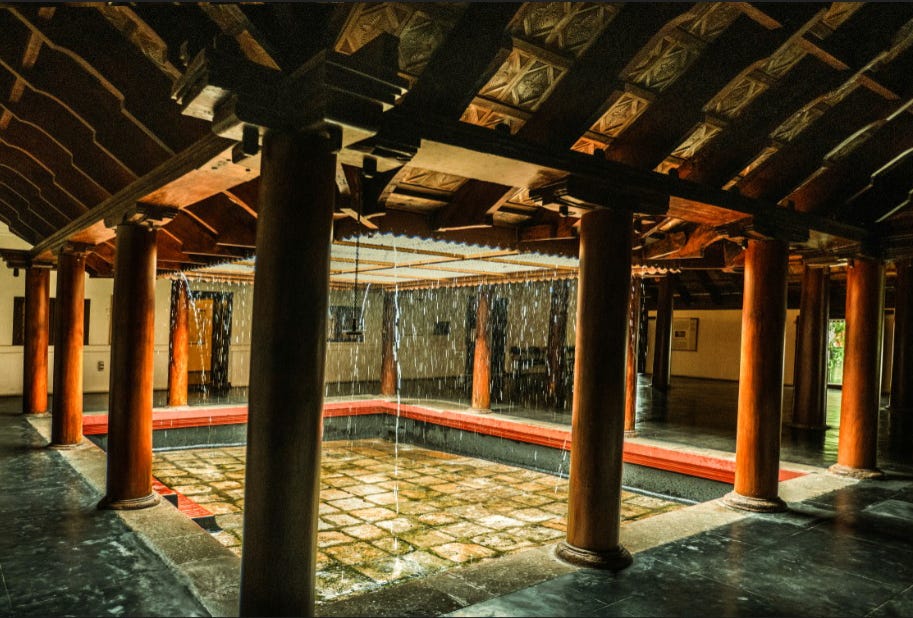
It evolved into a system of courtyards surrounded by homes, so that extended families could live under one roof, each with their own space.
So you can see some of the elements that have driven Indian architecture:
Water is sacred
Access to fluctuating river water levels requires ghats
In drier areas, people dug wells that could also capture monsoon water, and since they’re sacred, they became temples like inverted pyramids
Carve structures into the ground to protect against temperature swings
Where it rains the most, protect your head and your home with slanted roofs, especially with tiered slopes, so that the cascading water doesn’t accumulate too much energy and make holes in the ground
Have an internal courtyard to make sure air circulates well
China
We see similar patterns in China. In the Loess Plateau, where stone is easy to work, people would carve decorations and homes into the mountain.
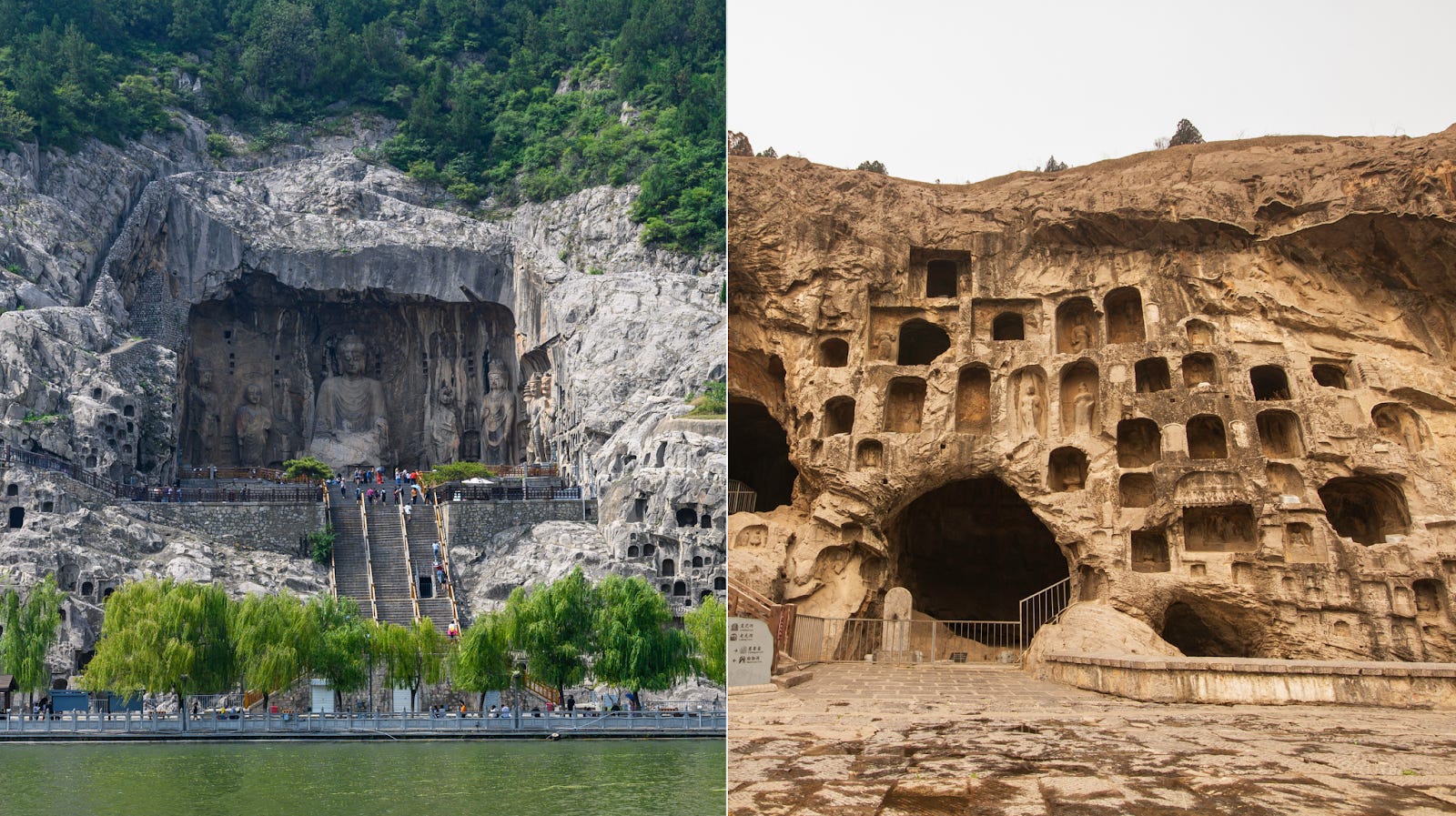
This protected from the extreme temperature swings throughout the year and between day and night.
Kerala’s Nalukettus are mirrored in the Chinese siheyuan.
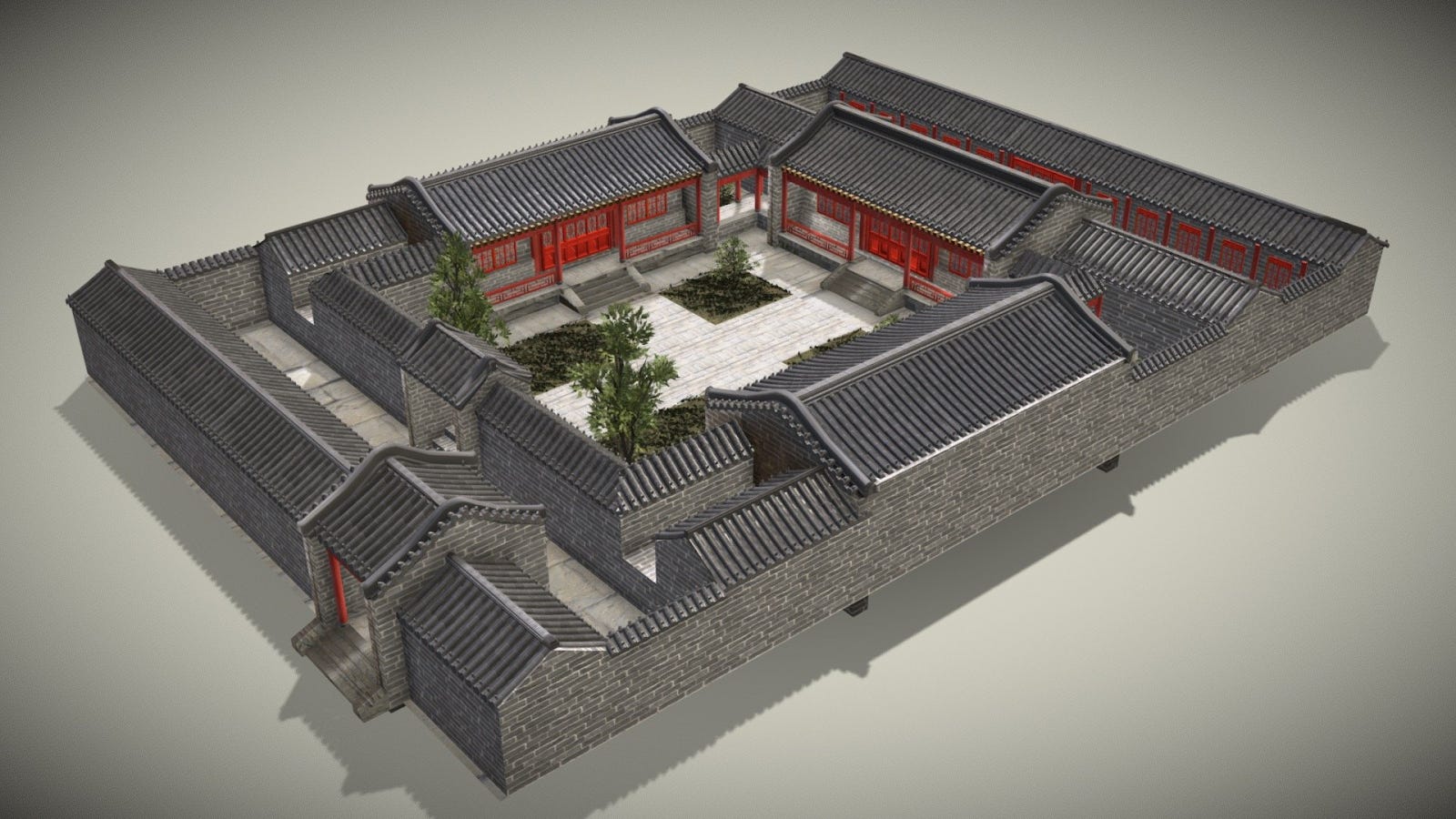
They also have homes around a central courtyard, made to optimize airflow and allow for a central common area.
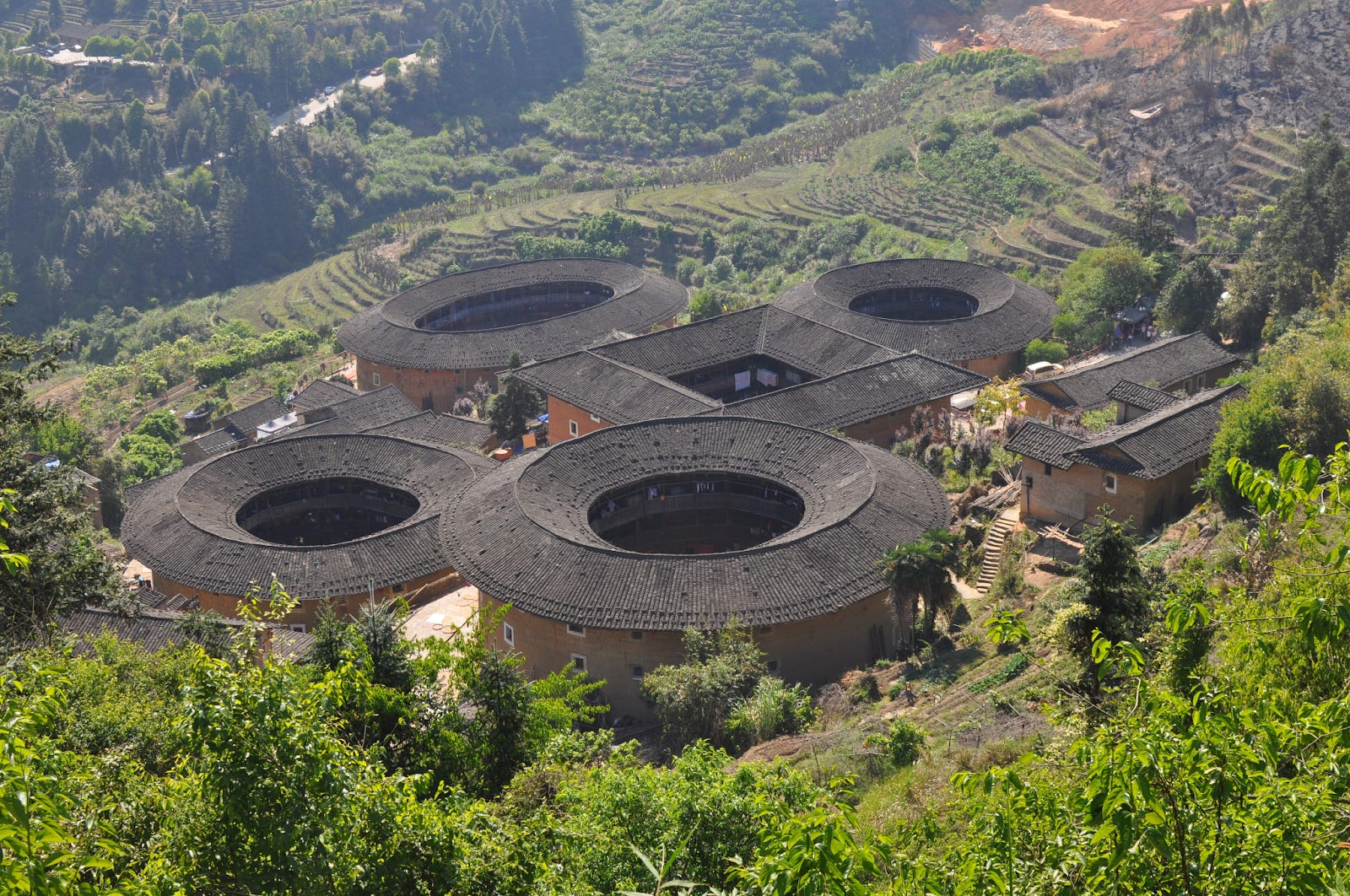
Now take this concept and bring it to the mountains, where harder transportation means less communication and trade across valleys, more cultural distance with your neighbors, less political unity, and more conflict. You get the Tulous, semi-fortified community homes with a central courtyard.
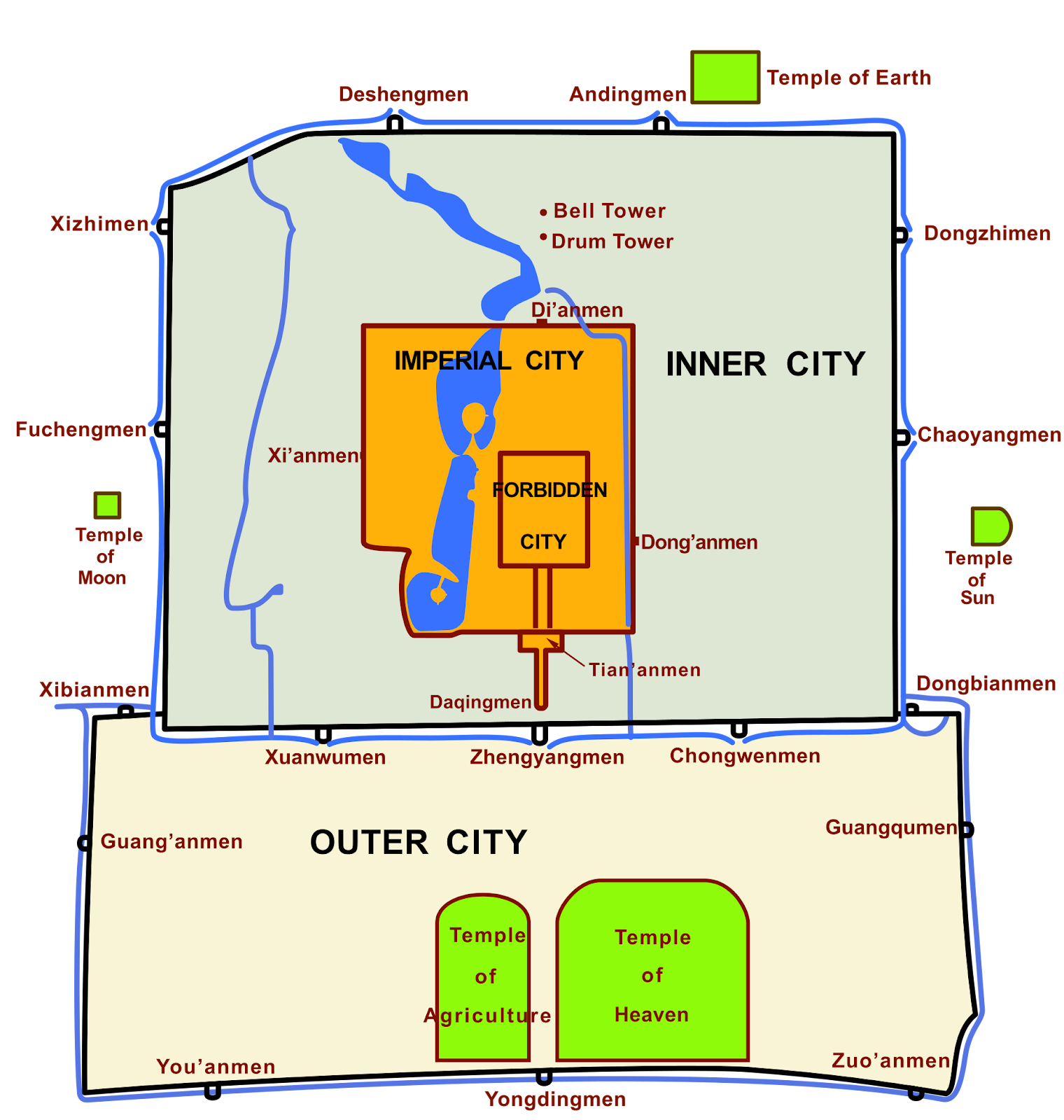
The Forbidden City, in Beijing, uses the same logic, just on a bigger scale.
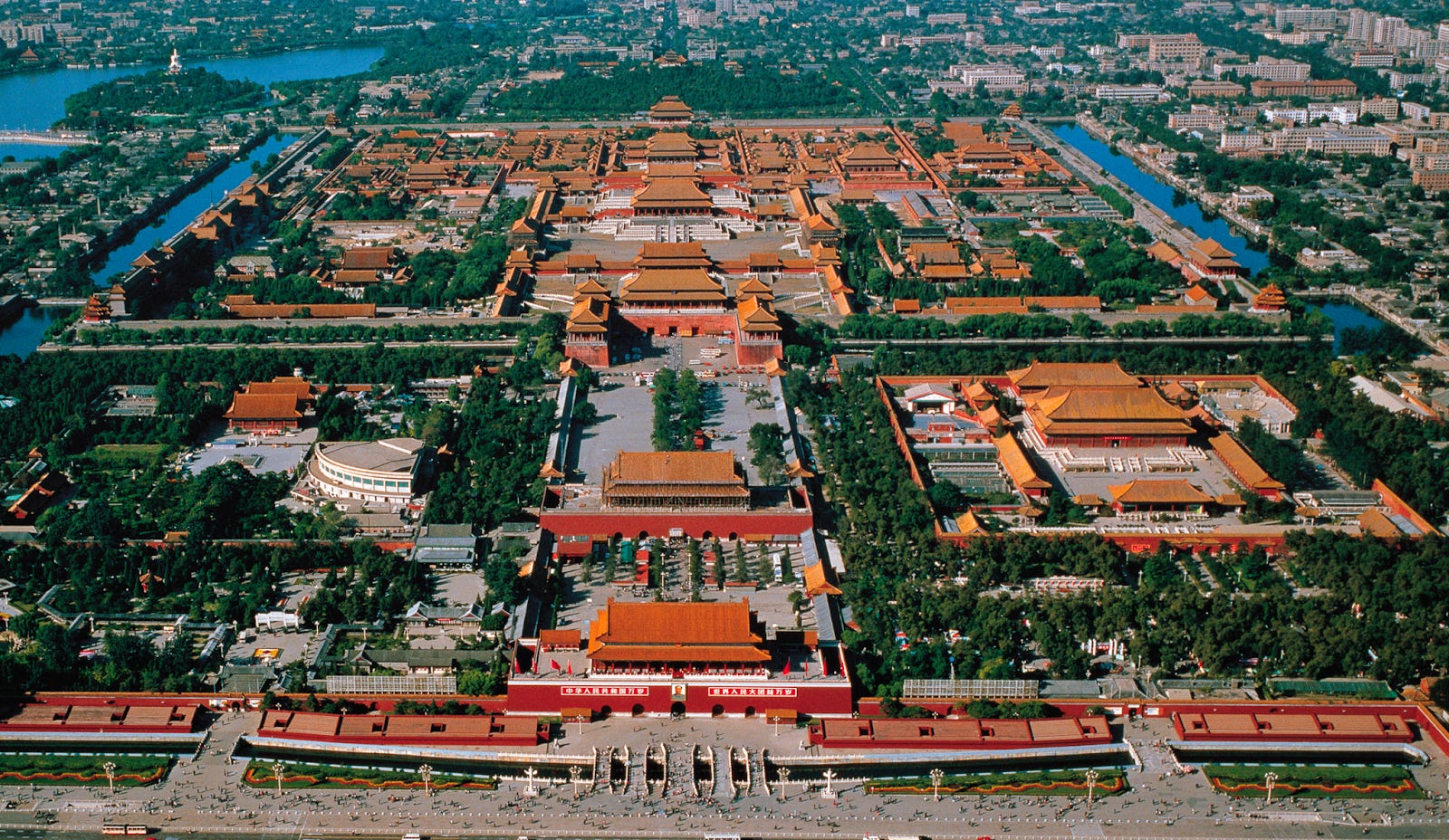
We see:
Axial distribution, to wow visitors
North-south orientation
Walls and a moat, to protect against intruders
The closer to the center, the more intimate the dwelling
Social courtyards
The nesting from outside to inside is continued through the Imperial City and the Inner City.
Unlike in India, however, Chinese architecture stands out for its use of wood:
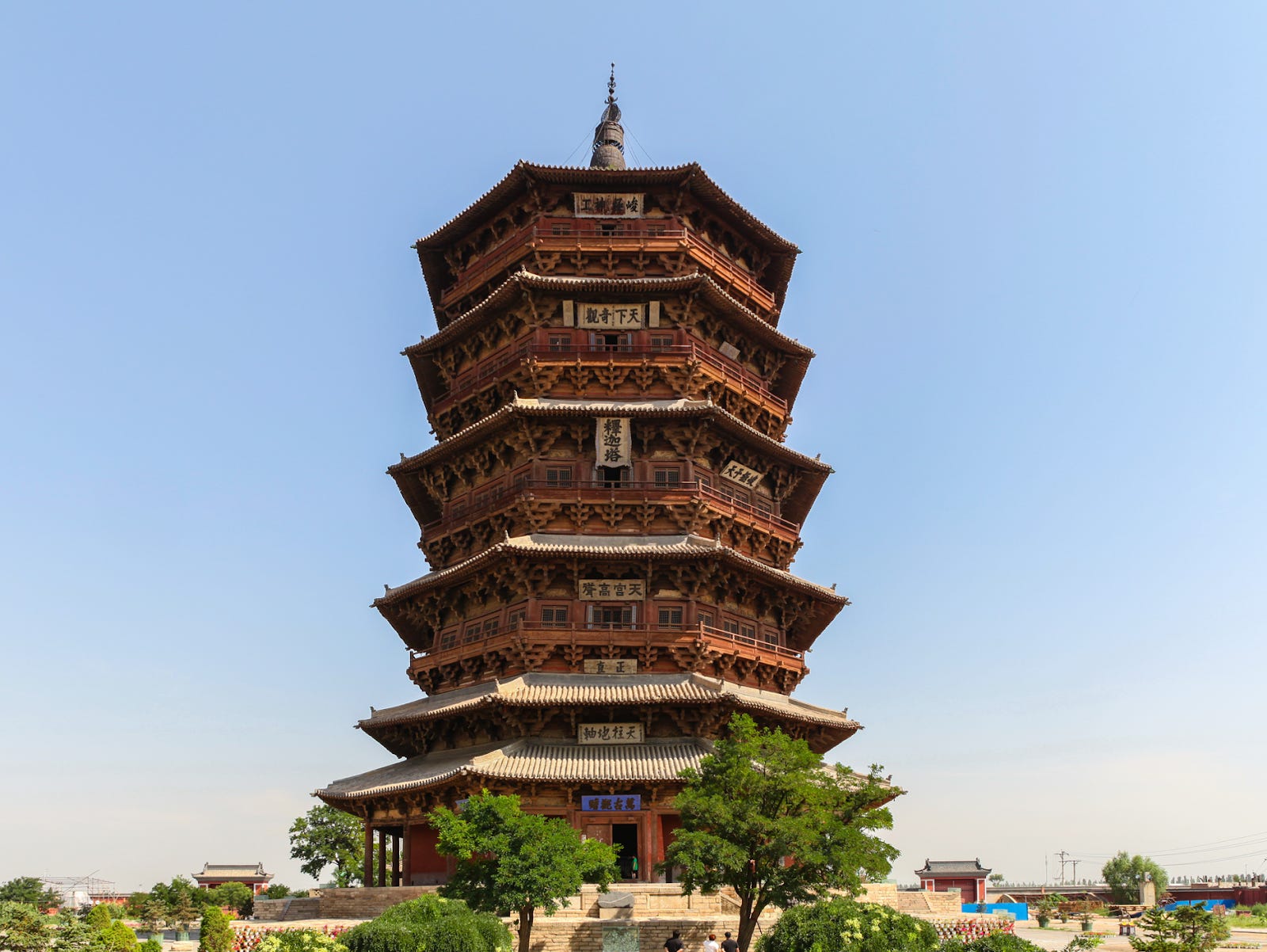
Why so much more wood?
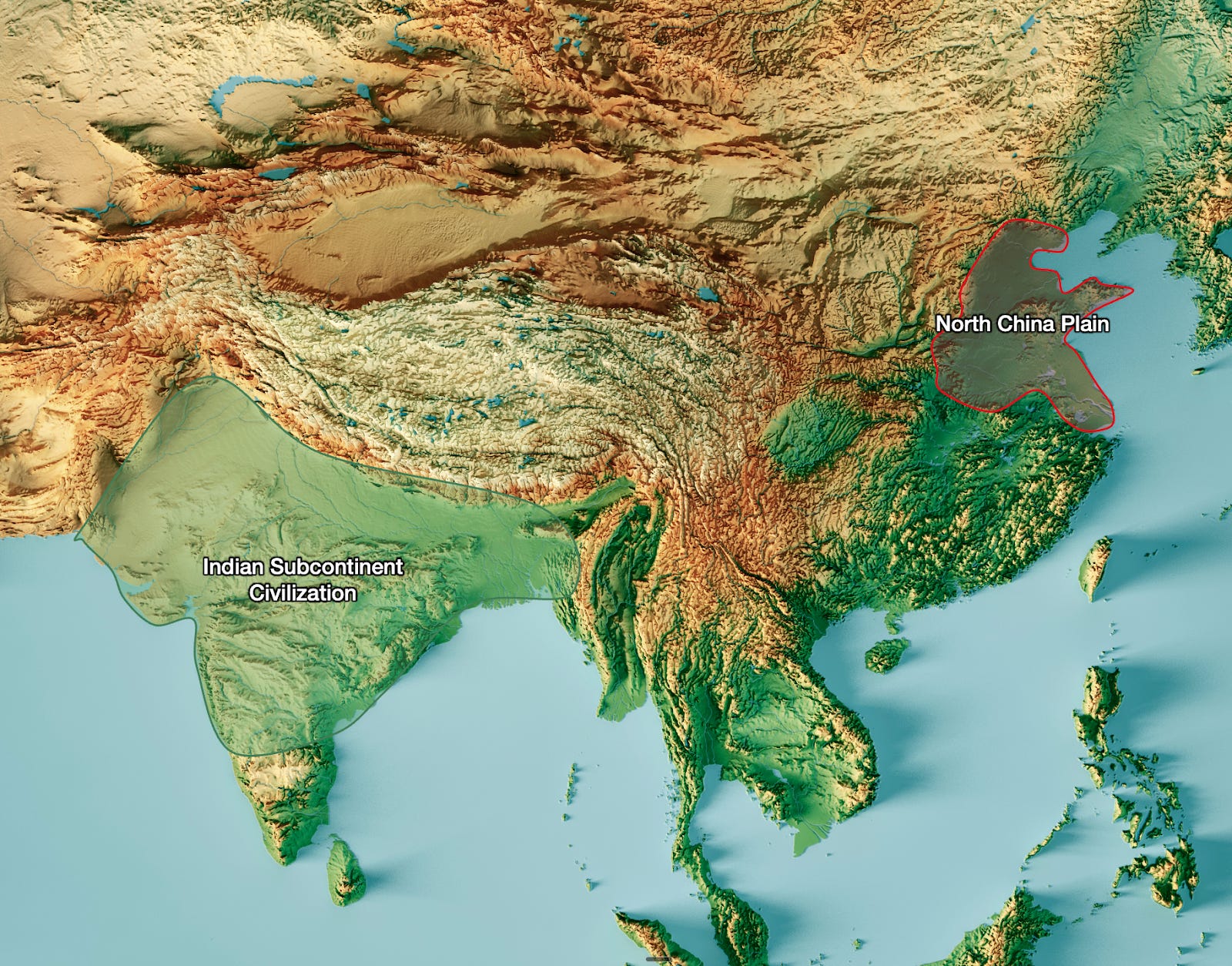
India’s civilization emerged across the Indus and Ganges River Valleys, which have access to sandstone (e.g. in Rajasthan). It also spread quickly across the Deccan Plateau—the mountains in the center—where stone is available, which is very useful to avoid rot and insulate against the heat.
China originates in the North China Plain, an alluvial plain made by the sediments brought by the Yellow River. This means rock is under a deep layer of soil, hard to reach. But there was a lot of timber here.
This region is much farther north, so it’s colder, and timber is better at trapping and storing heat. Also, stone can trap water and break with too many cycles of freezing and thawing (because water takes up more space as ice, and pushes against the stone), but timber is flexible, so it doesn’t break as easily with these cycles.
Also, the North China Plain has many more earthquakes than India, and stone is bad for earthquakes since it can’t flex at all. Stone buildings tend to crumble during earthquakes, while timber ones survive.
For all these reasons, China used much more timber in its architecture. And that has its own sets of challenges.
For example, when you’re making your walls in stone, they can carry the weight of the entire structure. It would be expensive to do the same with timber, so instead, timber architecture tended to have strong wooden columns to carry the weight and light timber for the walls.
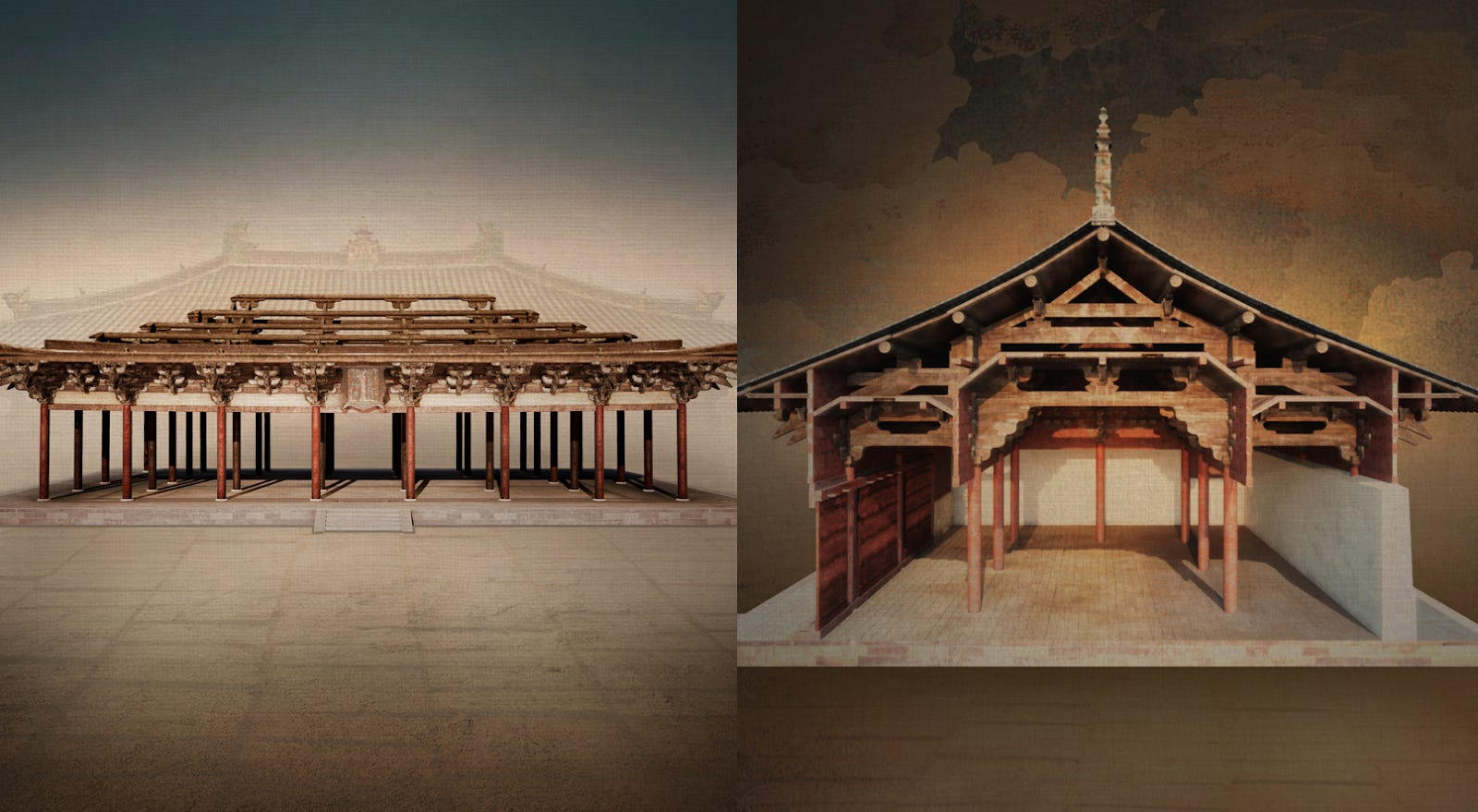
Look at the beams, columns, and wooden roof of the Shanhua Temple:
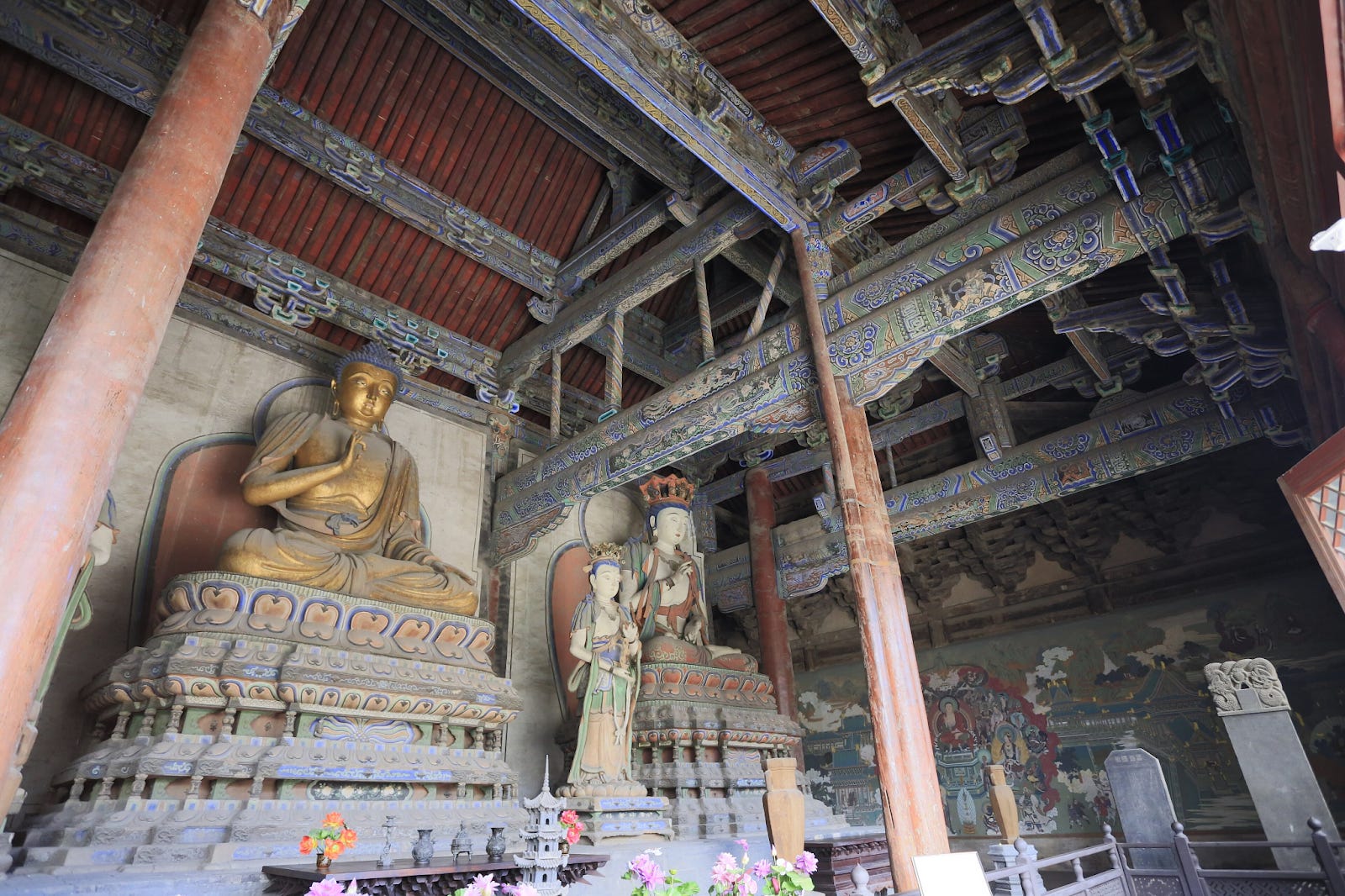
One of the positive things about wood, of course, is that it’s lighter, so indoor spaces could be bigger.
But you don’t want your wooden walls to rot, so they should avoid contact with monsoon rains. The answer is a roof with long eaves that allow for a deep overhang:
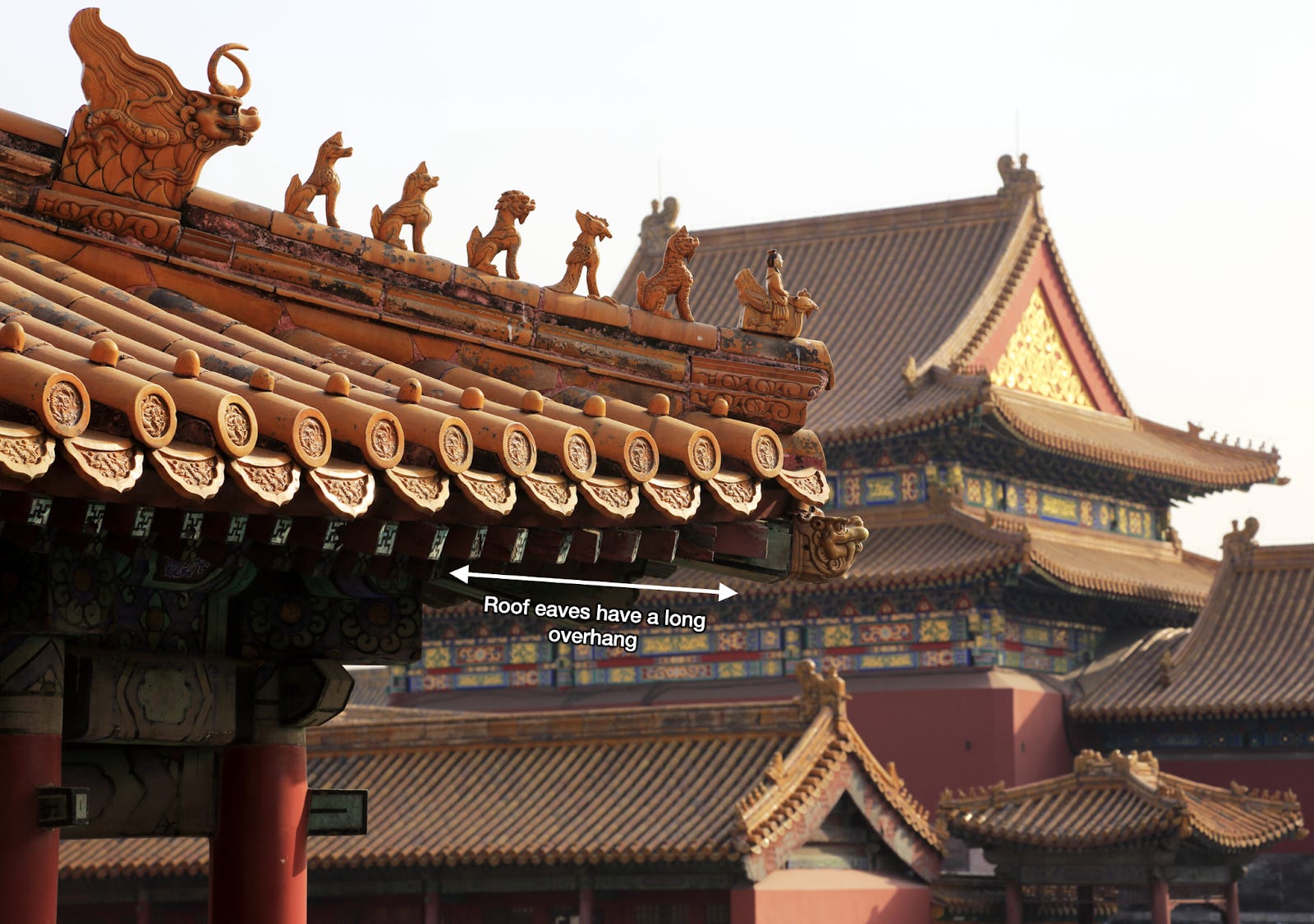
That way, water is ejected far from the wall and doesn’t touch it. It’s also why the Chinese roofs are curved, as you can see in the background in this pic. This allows water to run out fast and be projected outwards, farther from the wall.
Curbing the wood had another advantage: Over long periods of time, gravity makes wood sag downward. So to avoid that, the Chinese curbed wood upward. Once you start doing that, it makes sense to push it for aesthetic purposes, to make the roof “reach for the sky”.
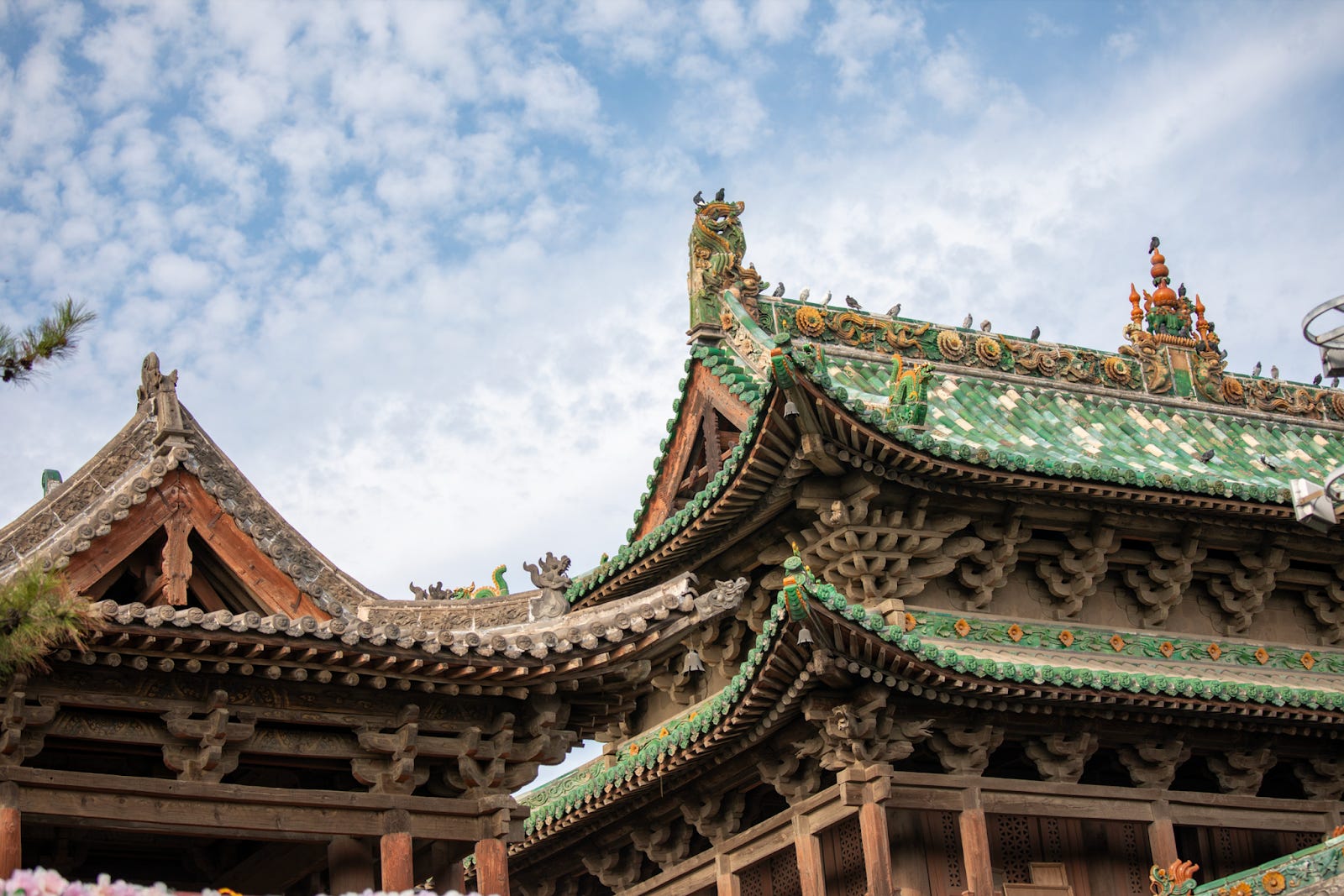
Notice what’s below the roof? That’s called a dougong, and is very typical of Chinese architecture. It’s to support the weight of the roof. Why?
With big indoor spaces, roofs are heavy.
But they can’t rest on walls like in Europe, because they’re made of light timber instead of stone. So they must rest on the timber columns.
They must support the eaves, which have a deep overhang as we just mentioned.
Architects needed a system made of interlocking timber that could be flexible during earthquakes.
The dougong was the solution—nested brackets that could reach far into the eave to support it.
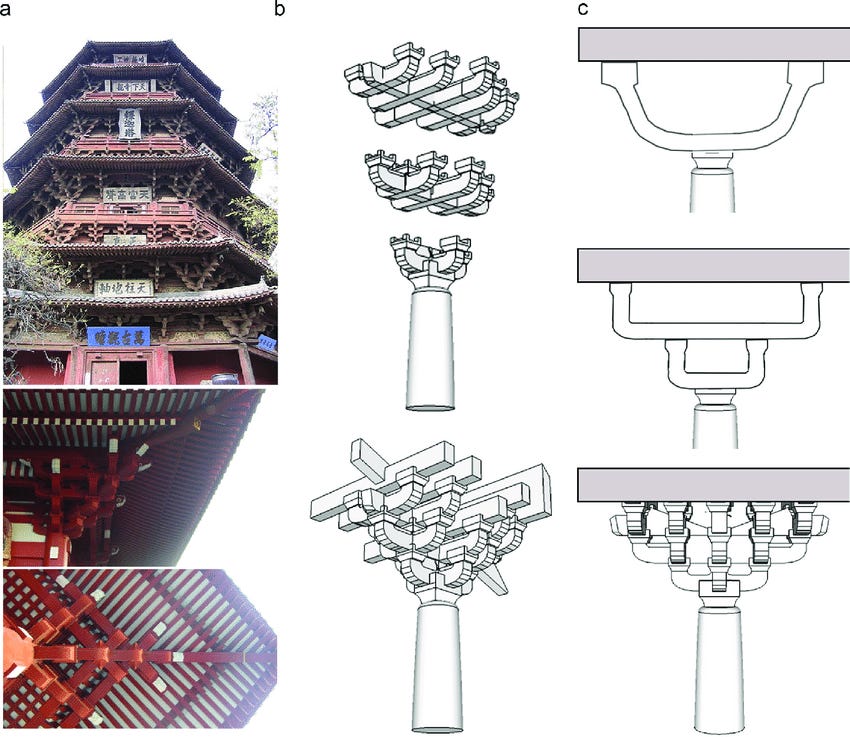
Of course, once you have this type of structure, you might as well decorate it:
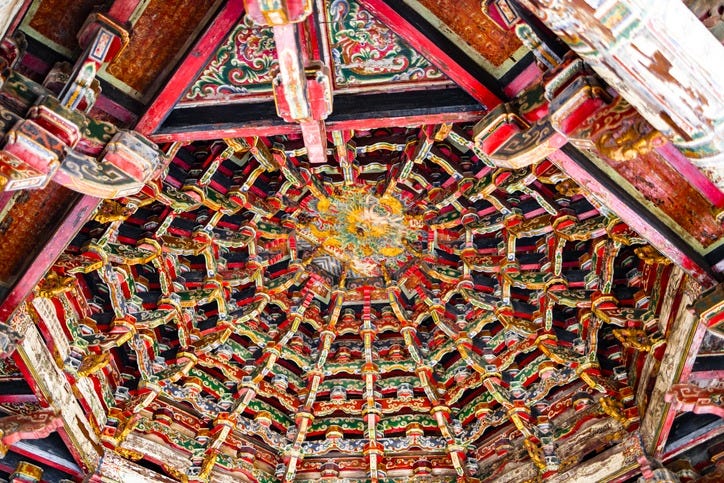
And it’s not just for dougongs. Anything, really. Columns? Roofs? All of it. Because timber is super easy to carve, so it’s easy to decorate.

And roof tiles are all mass-produced, so the casting mold can make them pretty.
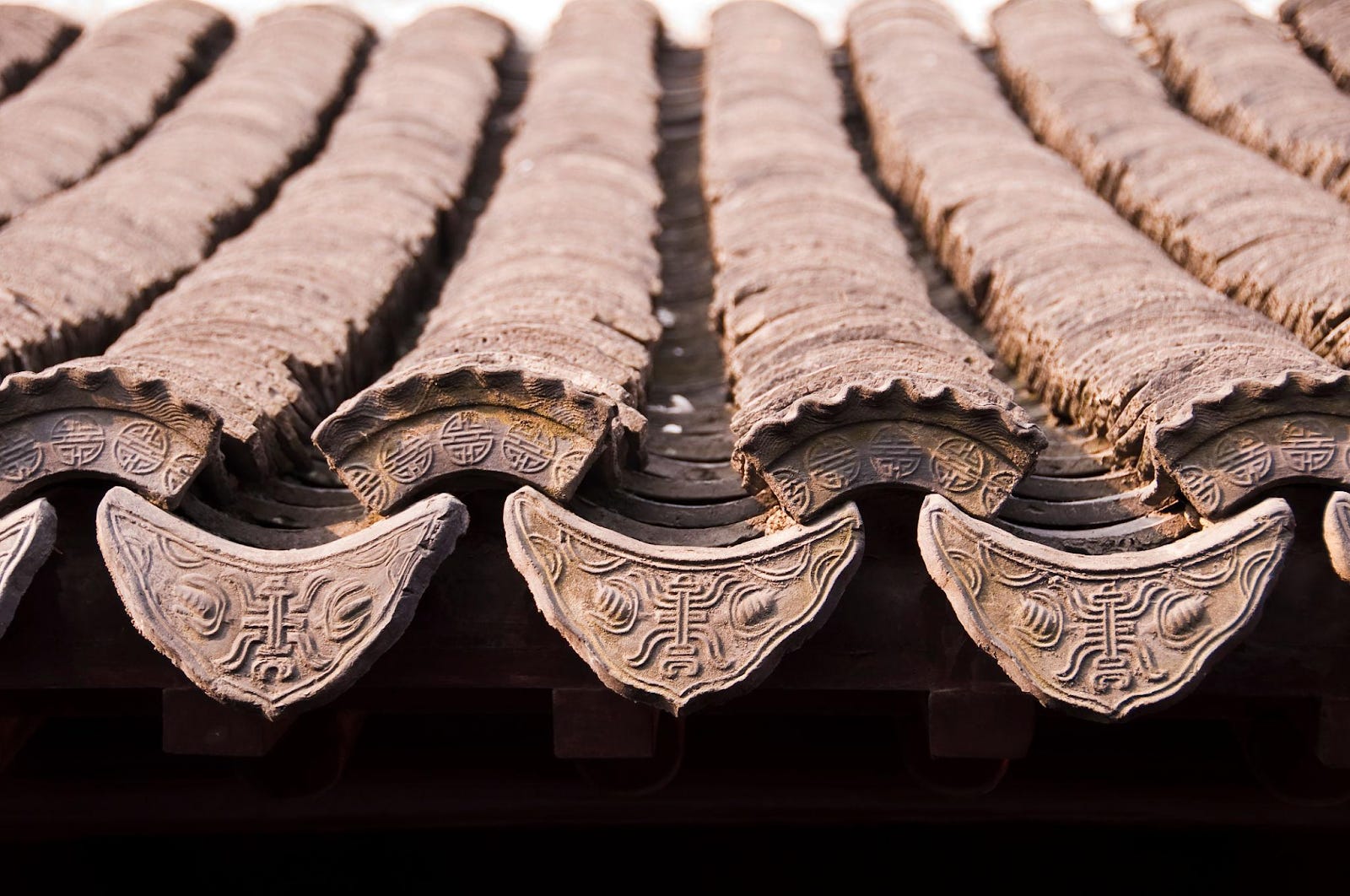
You might have noticed that there’s a lot of red in here. That’s because, after all we’ve done to protect our wood, it still needs protection from the Sun and rain, so it must be coated. Some of the coats don’t have much color, but those that did were frequently red, as it’s the most common dye color that exists. Imperial buildings used the less common cinnabar, which you might associate with opulent traditional Chinese buildings.
Of course, there are a million other specificities of Chinese architecture, but what I find fascinating about all of this is that so many of these specificities are the result of simple geographic differences—in the case of China, the widespread use of timber instead of stone.


