

As demand for oil and gas dries up, the countries that most depend on their sale will have to reinvent themselves. But how successful have countries been in doing this?
Unfortunately, there aren’t that many examples in history, because few resources in history have generated as much wealth as oil and gas, so few countries have depended so much on single resources, and hence few have faced a total collapse of their income due to a resource crash. But there are a few. Today, we’re going to review the ones I could identify, and we’re going to assess which countries are most exposed to the oil & gas drop today.
1. Dubai
We talked about Dubai in this article, and unfortunately, it’s not a great example for other oil countries: Dubai was a trade port city decades before it was an oil city, and it used the oil exclusively to prop up its position as a trading hub—successfully. Few countries have been able to pull this off.
2. Spain’s Silver
We explained this case in depth here.
Spain sourced 80% of the world’s silver for centuries. Unfortunately, it wasted this money on expensive wars that led nowhere. The Spanish monarchy didn’t improve as much as other European governments between 1500 and 1800, so governance was terrible in Spain by comparison. Prices in Spain rose 3x more than in the rest of Europe.
Its silver prevented Spain from developing other industries: Inflation had increased prices, making labor very expensive, which in turn made Spain’s manufacturing expensive compared to its European competitors. This led to a decrease of exports and an increase of imports. Herding, agriculture, industry, and trade all shrunk, and Spain’s GDP per capita ended up 40% lower than it would have been without silver.
Spain went from being the biggest empire in the world in the 1500s and 1600s to losing it all in the 1800s, and never fully recovering. Today, even within Europe, its economy is secondary to those of countries like France, Germany, the UK, or Italy.
3. Nauru’s Phosphate
Can you guess when Nauru ran out of phosphates?
Nauru is a Pacific island.
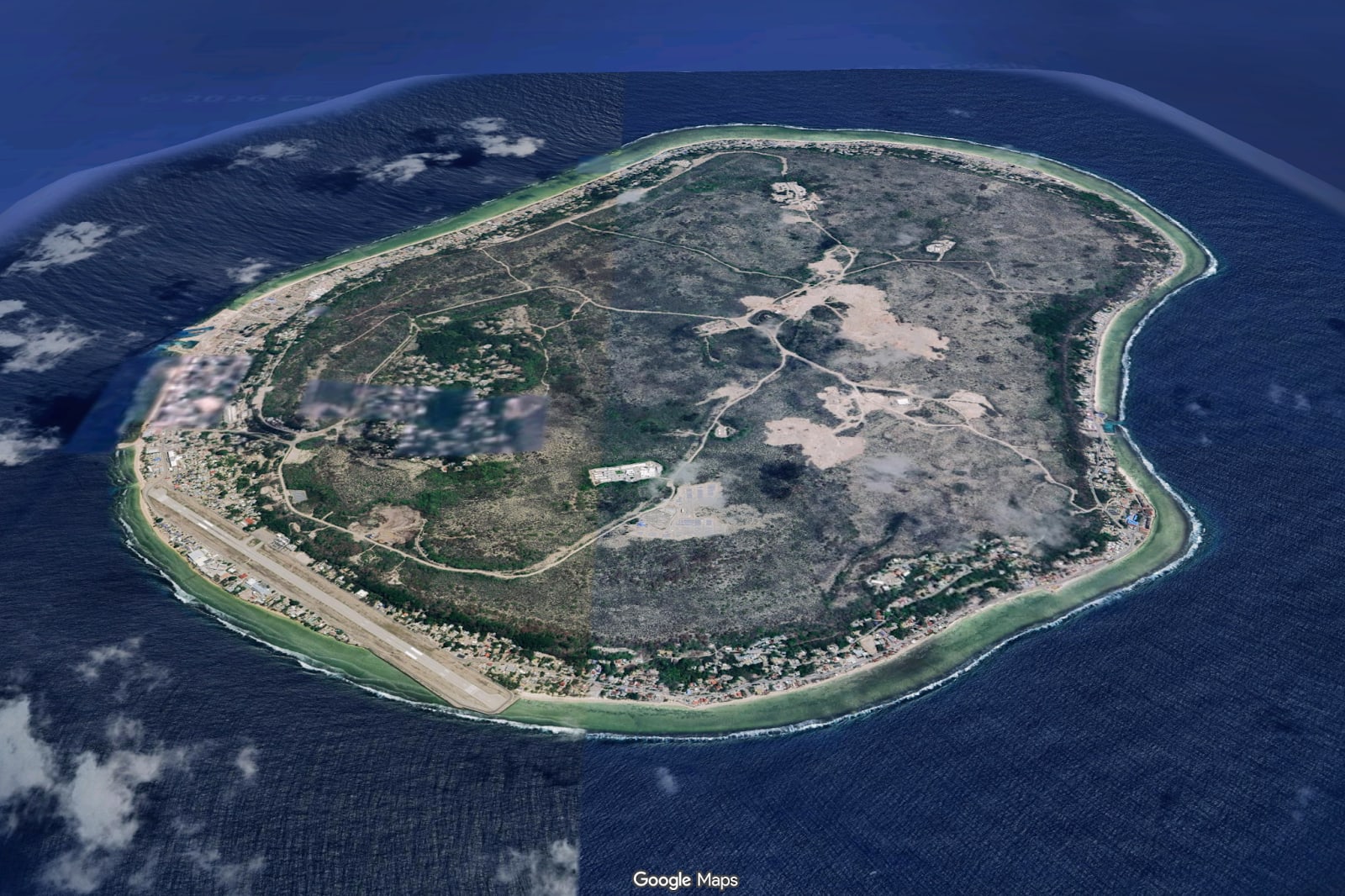
The outer edge is made up of trees, beaches, a road, and the airport. But if you zoom in on any part of the interior, this is what you see:
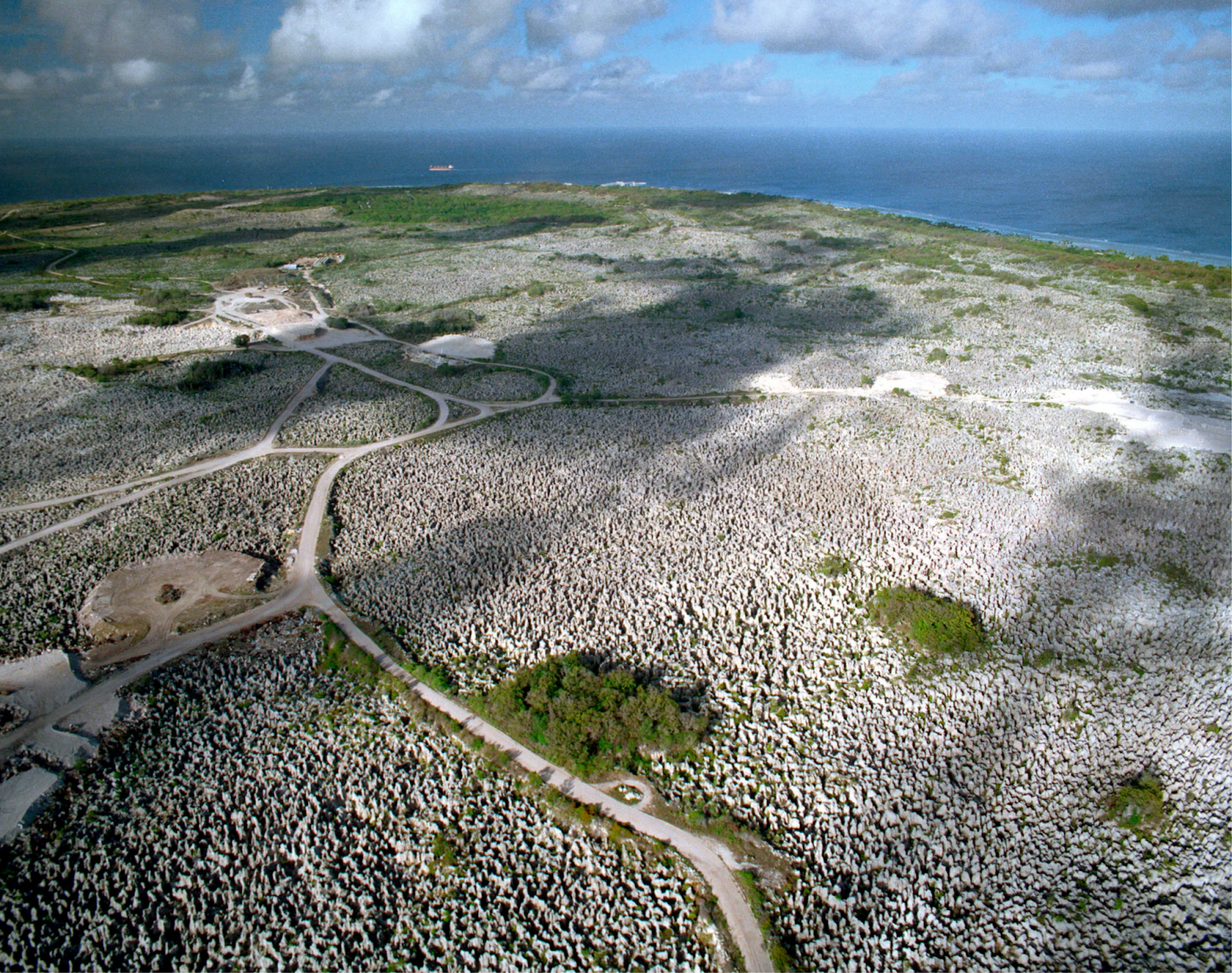
Zooming further in:
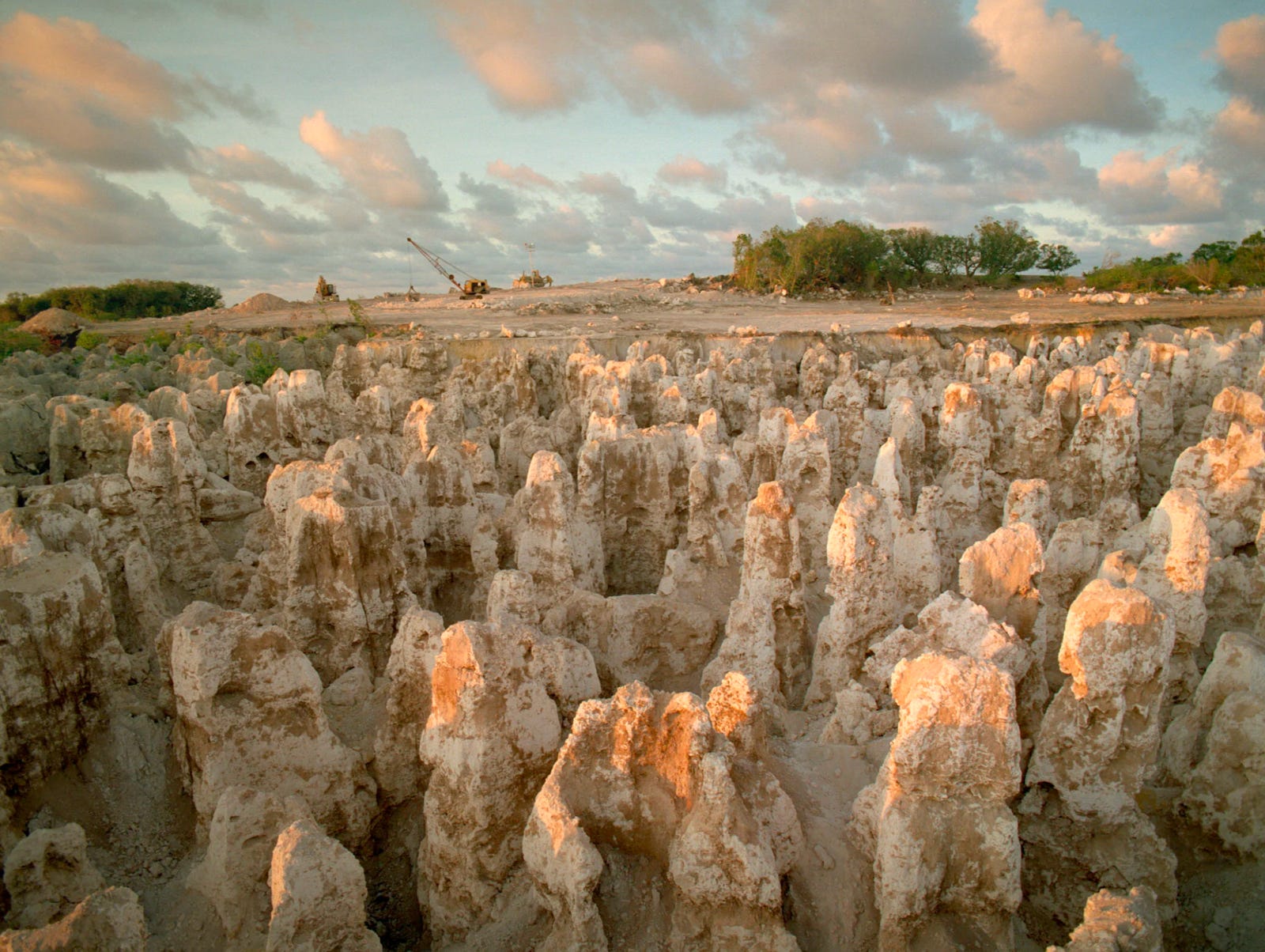
These are limestone pinnacles. They’re worthless, and that’s why they’re here. They’re the result of old corals, on which birds perched for millions of years. Their poop accumulated, and with rain and wind it filled all the space between them, and then kept accumulating above.
This solidified poop, called guano, is one of the richest sources of phosphate in the world—one of the three key elements of fertilizer. So for a century, it was mined, first by the British / Australians / New Zealanders, and after Nauru’s independence in 1968, by its own government.
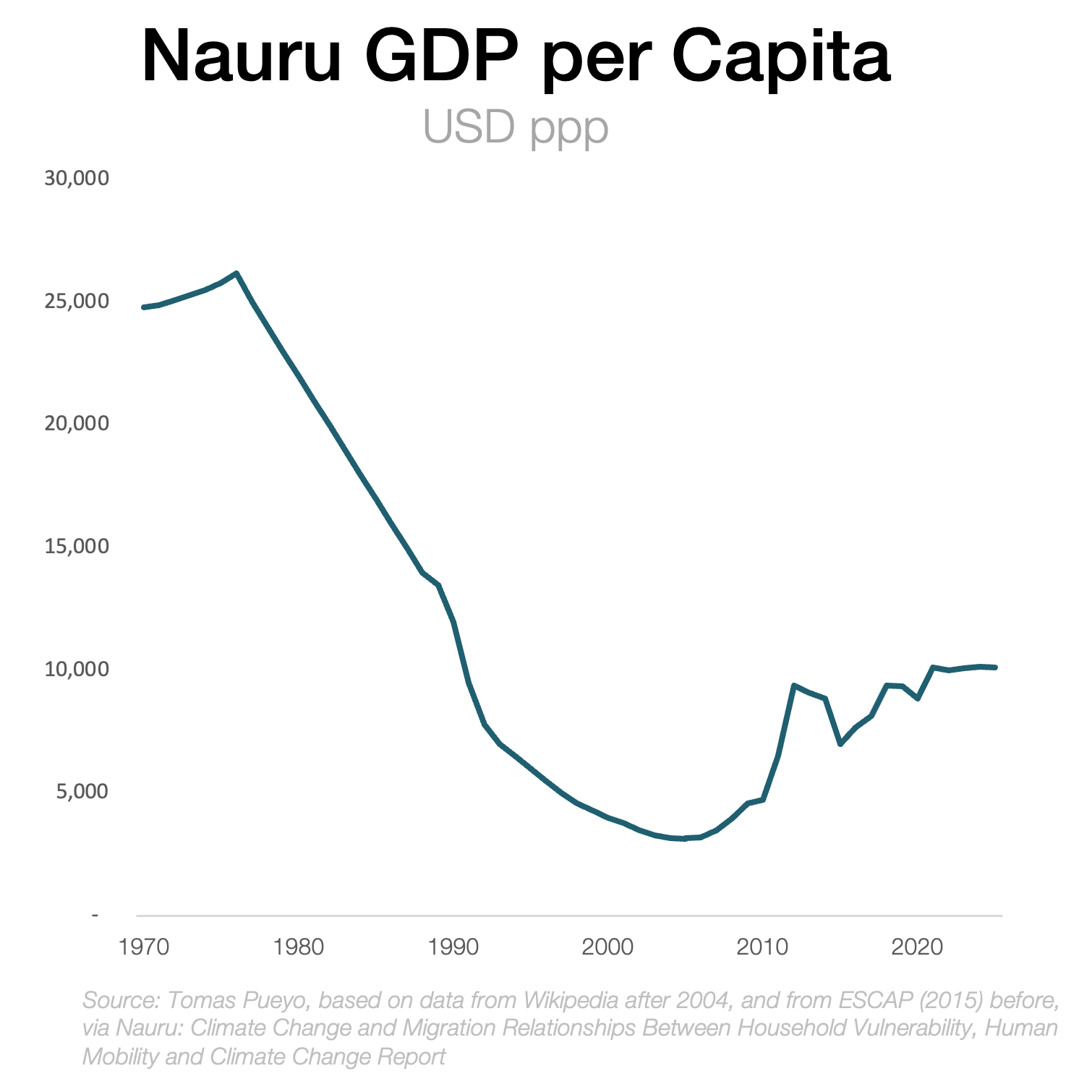
Soon after, the guano began running out, so by the early 2000s GDP per capita was 8x lower than at its peak.
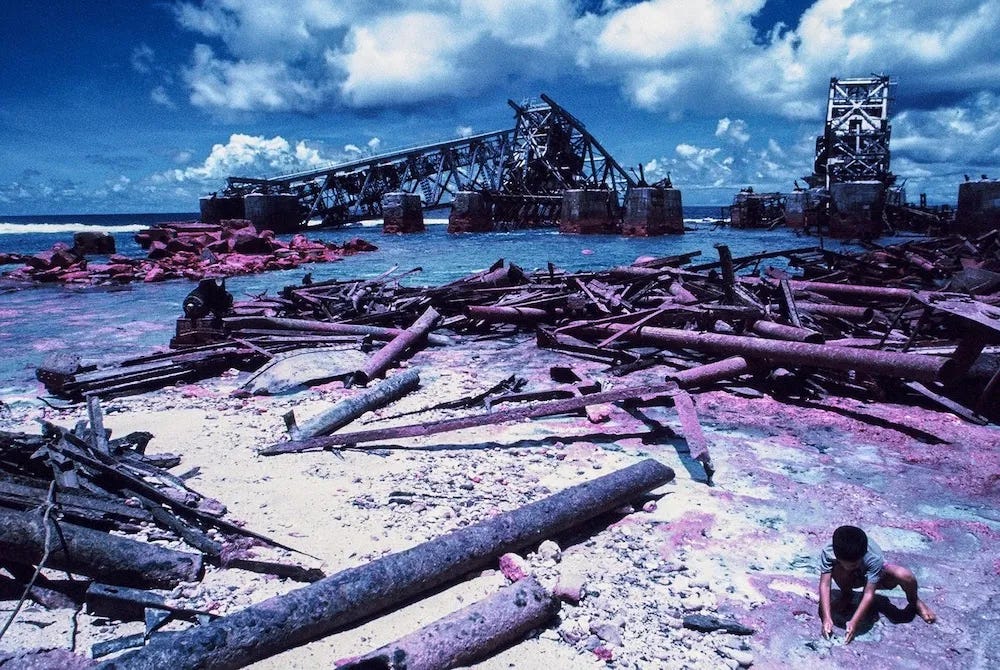
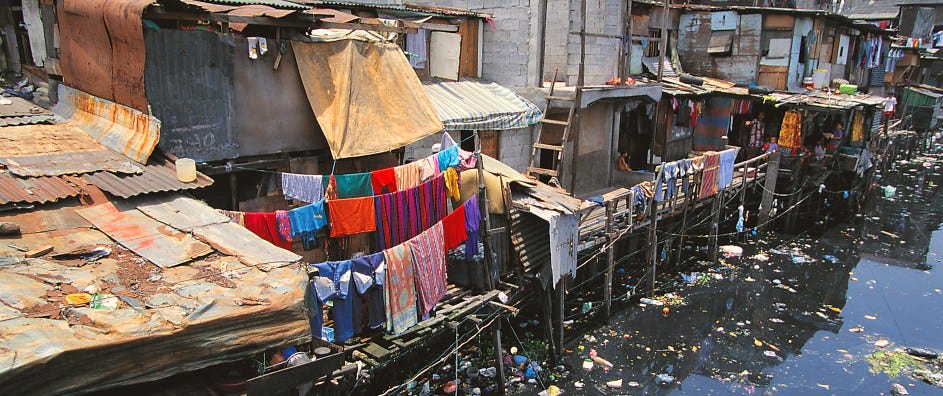
Did you see the uptick in GDP per capita in the early 2010s? That’s because of the immigration detention center that Australia paid to put on the island.
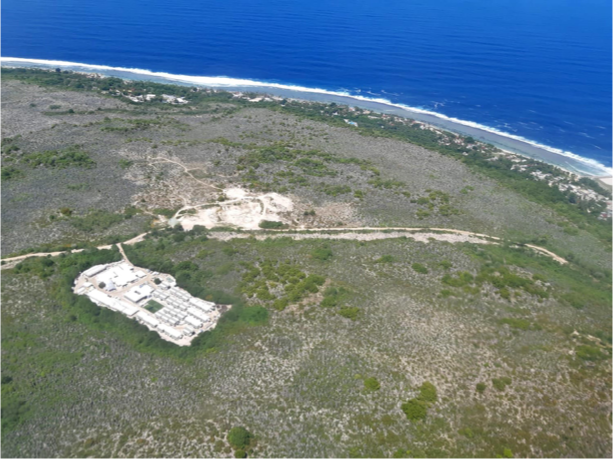
That, too, is ending, and as a result Nauru’s economy is plunging again.
Not a great precedent.
But islands are by nature not very diversified, while countries can be. So do we have examples of entire countries that suffered from the loss of a resource? We’re now going to explore Peru, Chile, and Yemen.
