

Here’s a trailer we’ve made:
If you’d like to see this made into a series, like it and share it with others: Judges will take that into consideration when they choose the top 25 projects, and again when awarding $2.5M to produce the series! And of course, tell me what you liked and didn’t like so I can learn.
Why did I do this?
XPrize organizes multimillion dollar challenges for technology breakthroughs, and this year it created the Future Vision XPrize: $2.5M in production financing for the winner of the most exciting science fiction project that portrays technology in a positive way. Have you seen Black Mirror? Think White Mirror.
Originally, I thought that was not for me: I’ve never written a screenplay! But a friend said: “This is made for you, it’s squarely in your skill stack.”
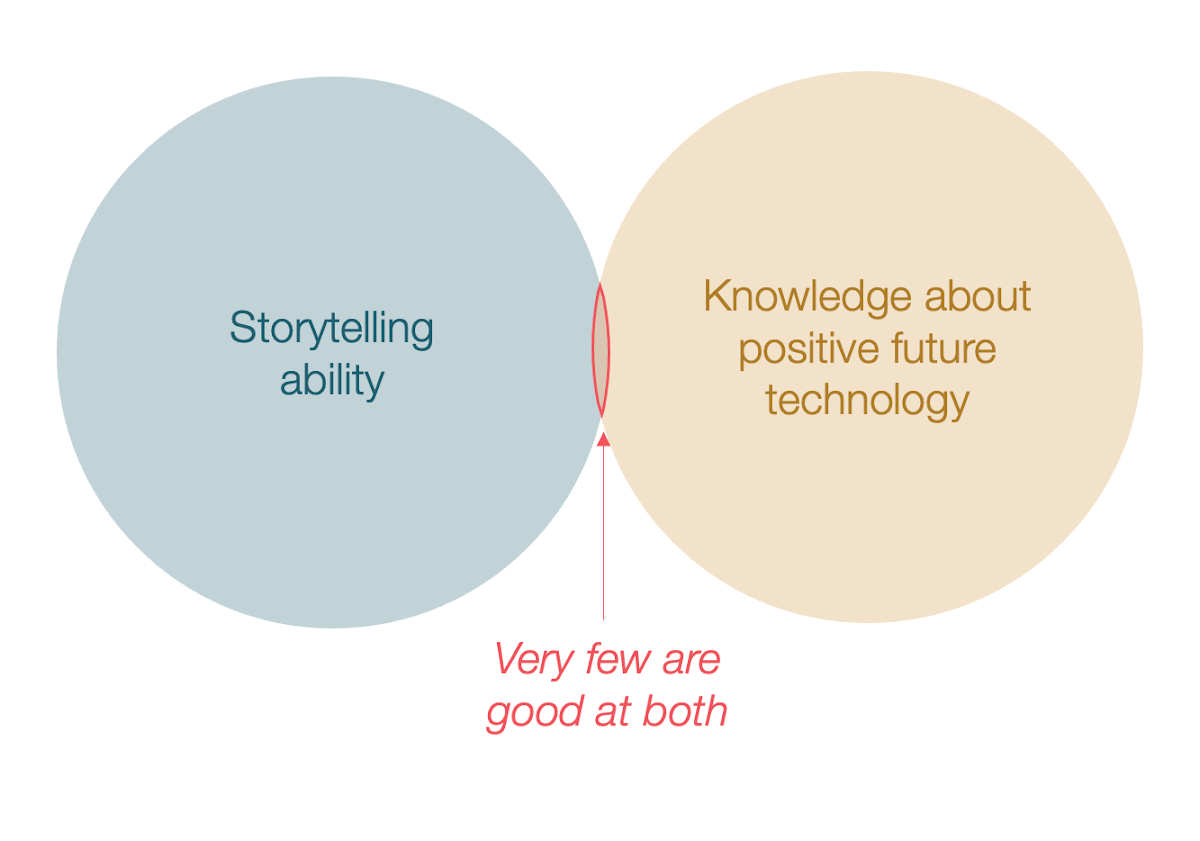
Tomas, you’ve written like 500 essays in Uncharted Territories, and in many of them you propose cool tech to make the future world a better place. And you know enough about storytelling because you studied it. You even delivered a TEDx on storytelling structure and wrote a book on it!
It resonated because UT is usually very analytical: I look at the numbers, study the history, gather forecasts… That’s necessary, but it doesn’t appeal to the hearts of millions.
Fiction does.
In the early 1900s, a fiction book on meatpacking, The Jungle, led to the regulation of the industry. Uncle Tom’s Cabin spurred abolitionism and the US’s Civil War. Many of Star Trek’s innovations inspired millions to work in tech and make its ideas real. Jules Verne did something similar a century earlier with submarines, aviation and exploration. Young European men imitated Werther in a massive late-1700s cultural phenomenon. 10% of surveyed gays and lesbians bisexuals said Ellen coming out as gay in her TV series gave them the courage to come out to their friends and family. Will & Grace cemented it. Cathy Come Home helped address homelessness in the UK.
So I decided to enter the competition five weeks before the deadline.
It was brutal.
What’s the series about? Why did I conceive it this way? How crazy was the process? What did I learn about making videos with AI, or writing scripts or videos in the era of AI? How can you do it with less pain than I went through? That’s what we’re going to cover today.
What’s the series about?
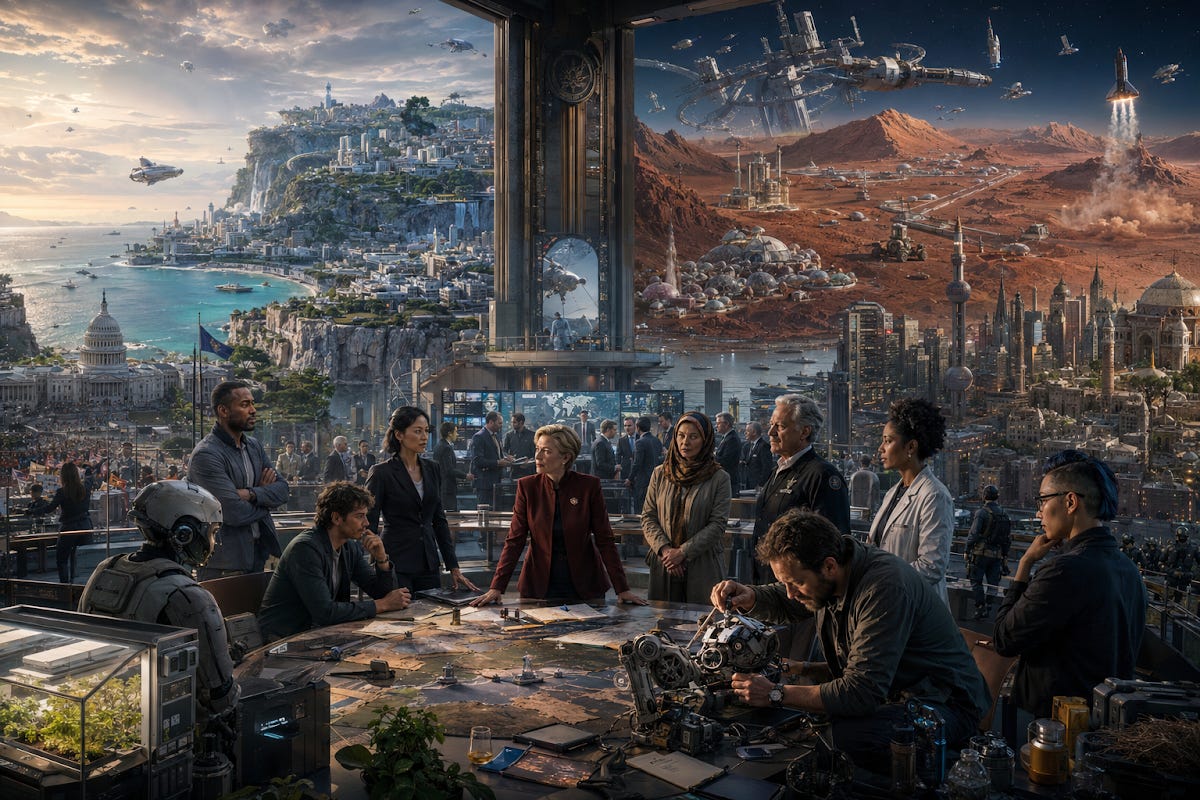
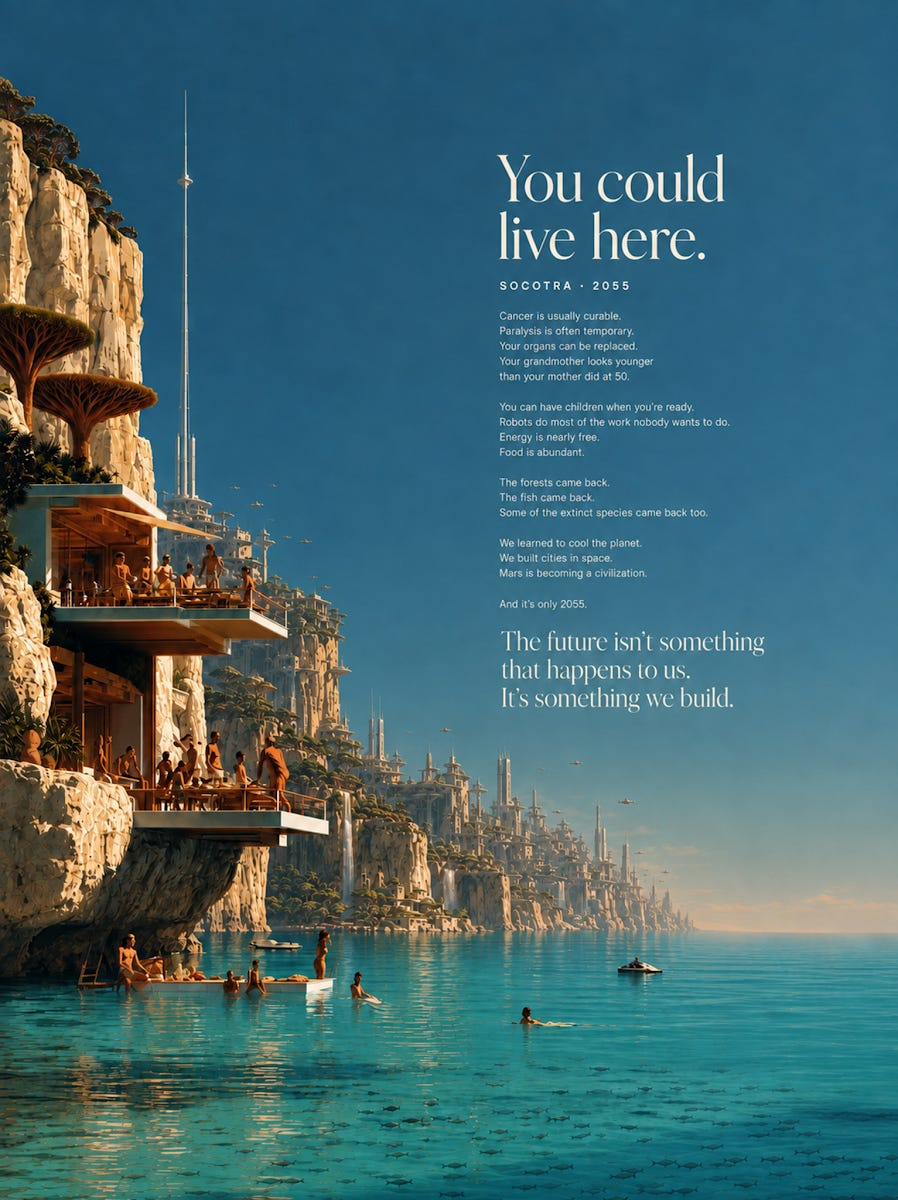
In 2050, a group of entrepreneurs are trying to build their technology companies, but regulations have become so burdensome that their innovation slows to a crawl. Everything drags, governments put barriers left and right, nothing is ever approved… When that becomes a question of life and death, they escape to a new jurisdiction where nobody can stop them from building. The result is so advanced and successful that the old institutions surround them to try to stop them
In other words, this is a fight between freedom, which brings technology and abundance (at the cost of some chaos), against the incumbent institutions that try to stop them.
Why This Conflict?
The problem with science fiction is that it’s always dystopian, gloomy and pessimistic: It makes tech look bad. Why?
If you write about the future and not the present or the past, it’s usually because of new tech
But stories need conflict
The most obvious way to solve this is to make tech the problem
But what if you turn the problem on its head? What if tech is great? What generates the conflict then? Well, you can take the enemy of technology, the thing that slows it down: Rules against its development—which can only be implemented by the big institutions that have enough power to enforce them. And why do they do that? Why are they so cautious? Because the costs of a technology are always very conspicuous (the deaths from testing it, the job displacement), but the benefits are not (it’s hard to imagine and value all the benefits of a new technology before we live it). So this becomes a story of the fight for creating a technological utopia, against the scared institutions (and populations) who focus more on innovation’s downsides than its upsides.
This also solves the other problem of positive science fiction, which we can get at from this quote:
The only thing worth writing about is the human heart in conflict with itself.—William Faulkner, Nobel Prize acceptance speech
Good science fiction, like good fantasy, can’t be about the tech or about the magic. The tech and magic must be there, but the story must be about human conflicts. That’s the focus of the series: the optimistic, chaotic techno-optimists, at war with the fearful, over-conservative regulators.
What Other Series Would This One Be Like?
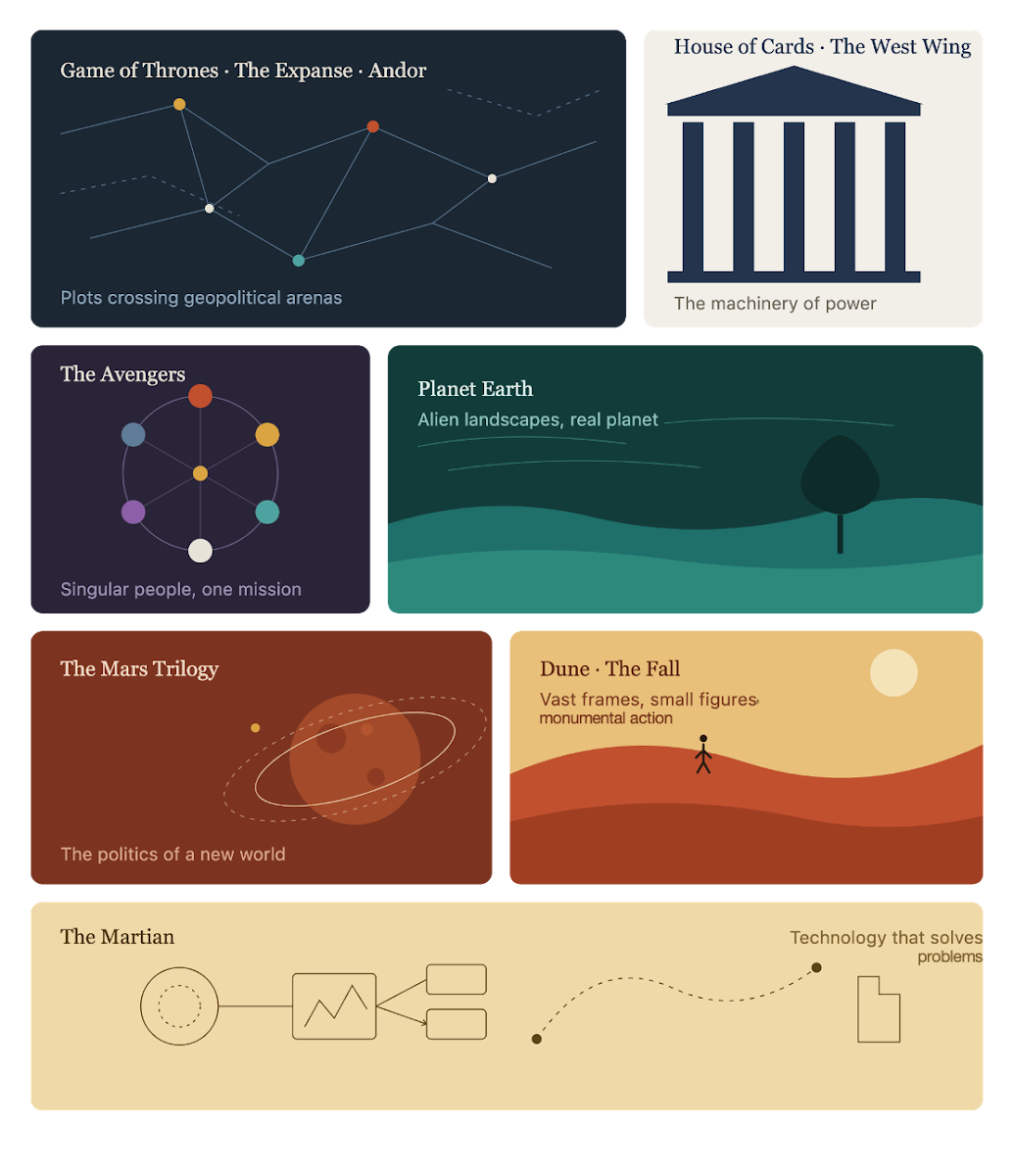
A mix of:
Game of Thrones, The Expanse, and Andor for the action, characters, and plots running across geopolitical arenas
House of Cards, The West Wing for the politics
The Avengers for the list of incredible and unique people working together to improve the world
Planet Earth for the gorgeous and alien natural landscapes
The Mars Trilogy for the politics of Mars
Dune and The Fall for the action and stunning photography in astounding landscapes
The Martian for deep dives on positive technology
Who represents each side?
For a debate like this to happen, each side must be represented by somebody. In my case, I’ve chosen five factions / regions. I think about them like the factions / kingdoms in Game of Thrones:
The freedom regions:
Mars, as the ultimate place where governments’ tentacles haven’t reached, and probably never will. And if they do, it won’t be for long
I also wanted one on Earth, and I chose the island of Socotra (I’ll explain why below)
For the old incumbent institutions:
China, which is the perfect embodiment of the state controlling everything
The US: What would it look like if the state became ever more controlling?
Islam, as it’s both the main religion in the real Socotra, and a good representative of a religion whose conservative side is anchored in the past, fighting the moderate side that looks forward
Why Socotra?
It feels a bit like a gorgeous alien land.

Visually stunning. It has sea, and plenty of land: At 3,800 km2, it’s over 5x the size of Singapore and about the same size as the entire emirate of Dubai, desert and all.
More importantly, it has obvious potential for economic growth: a port.
The most successful new jurisdictions in the world over the last century or so are Singapore and Dubai. Both developed thanks to an amazing port with great and cheap regulations in the middle of very busy shipping lanes.
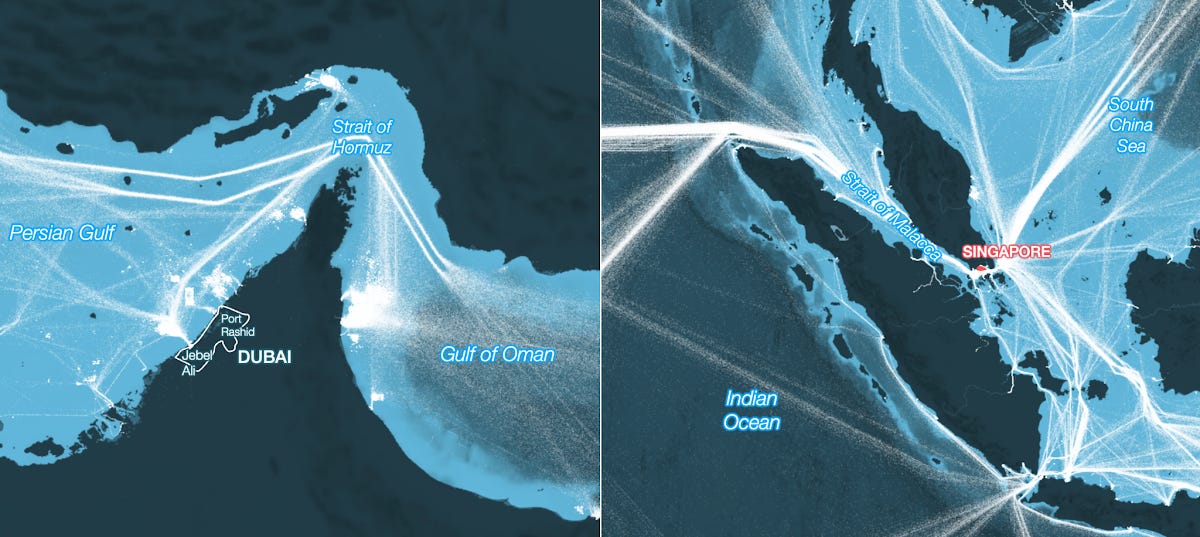
Singapore is an island. Dubai is nearly one, given the desert surrounding it. Here’s Socotra:
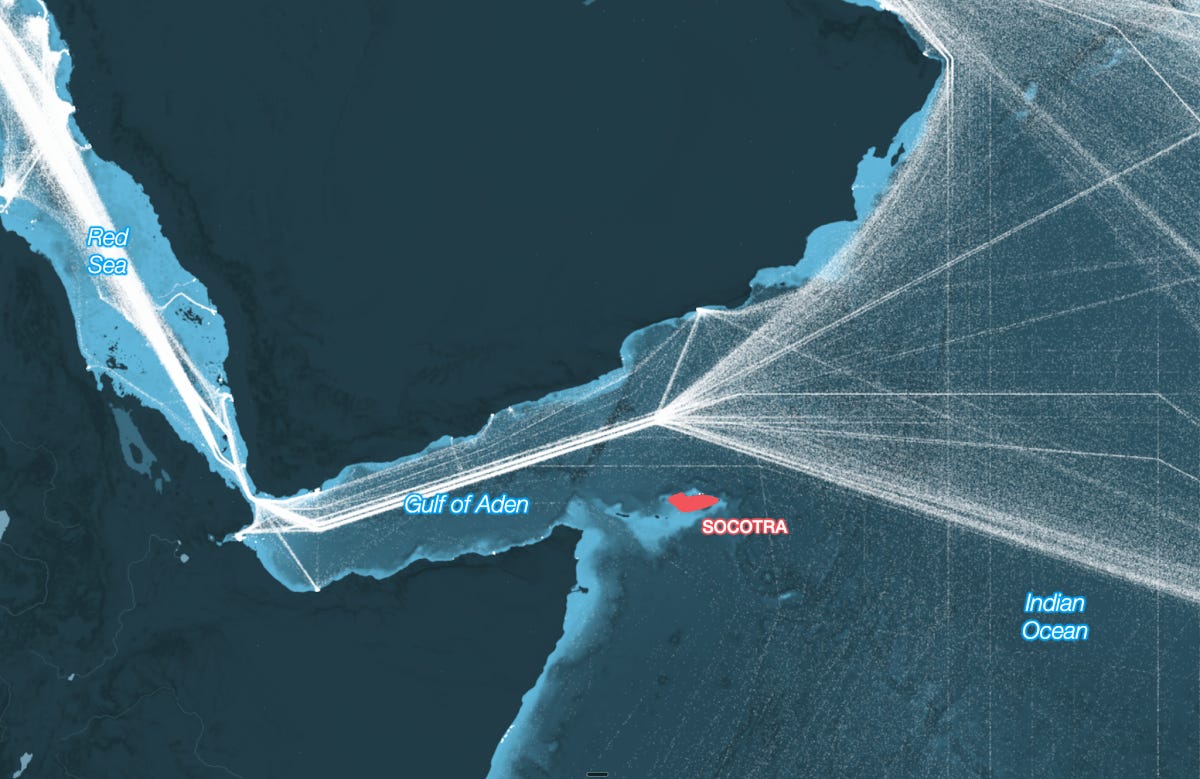
What do you notice?
It’s also an island
Massive amounts of trade pass barely 100 km away from it
This trade splits close to Socotra, but never stops there
There’s virtually no trade down the African coast
Here’s the capital, Hadibu:
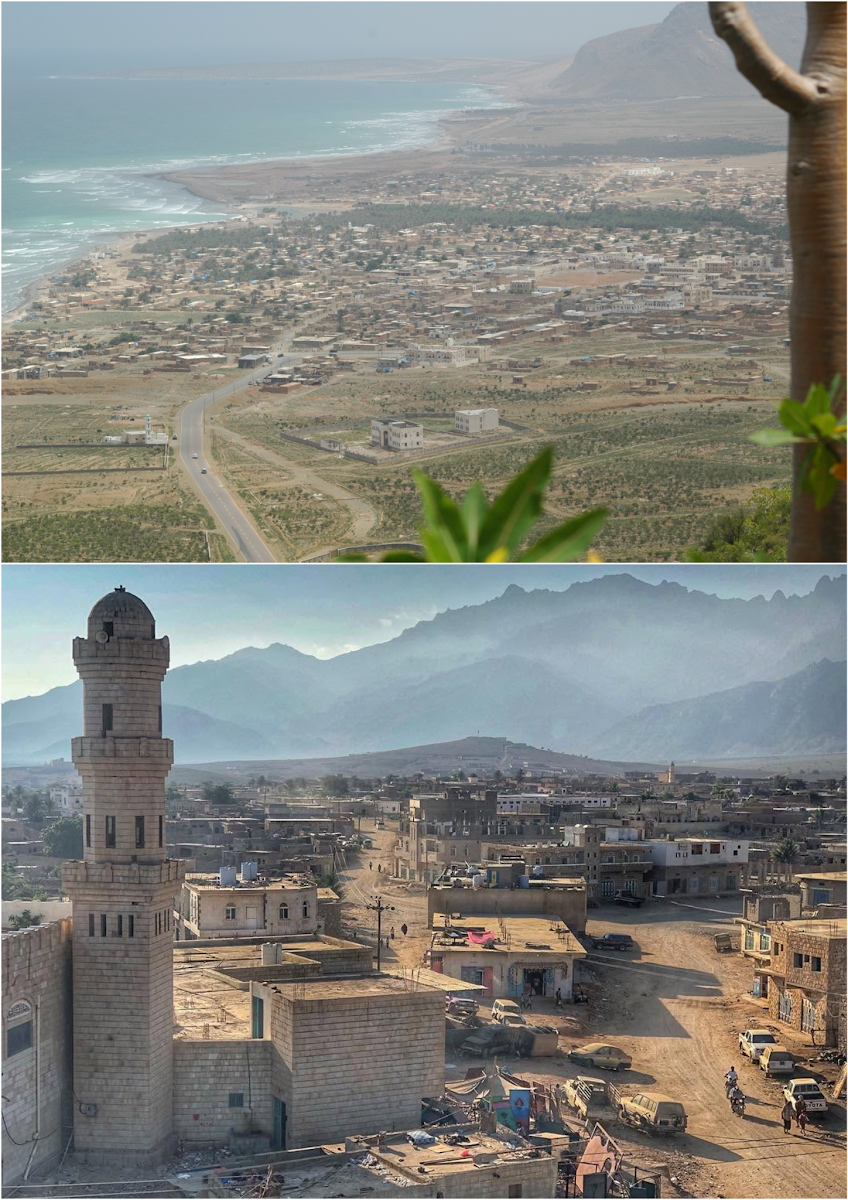
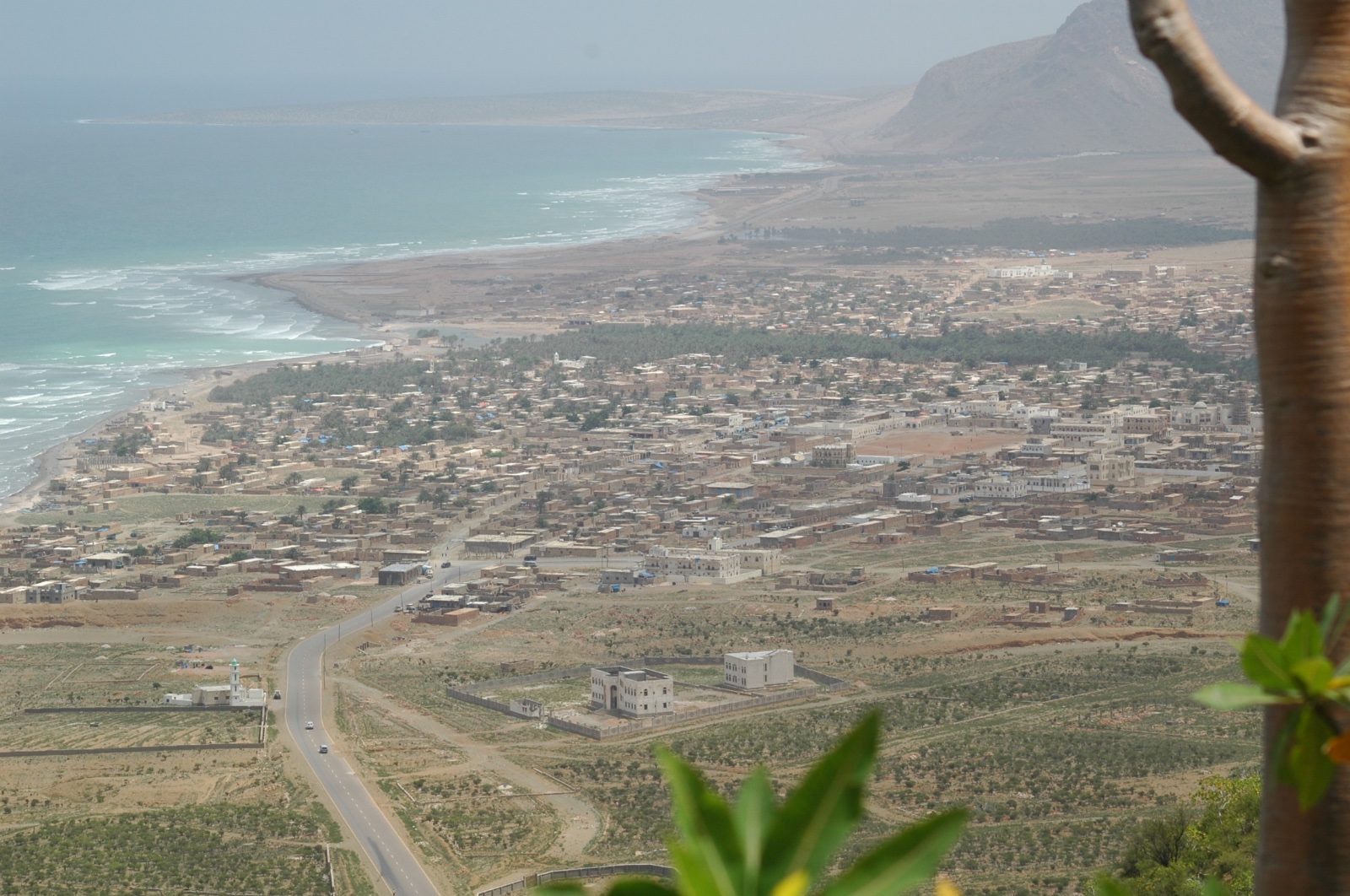
Notice it doesn’t even have a port! It’s 5 km away, and it looks like this:
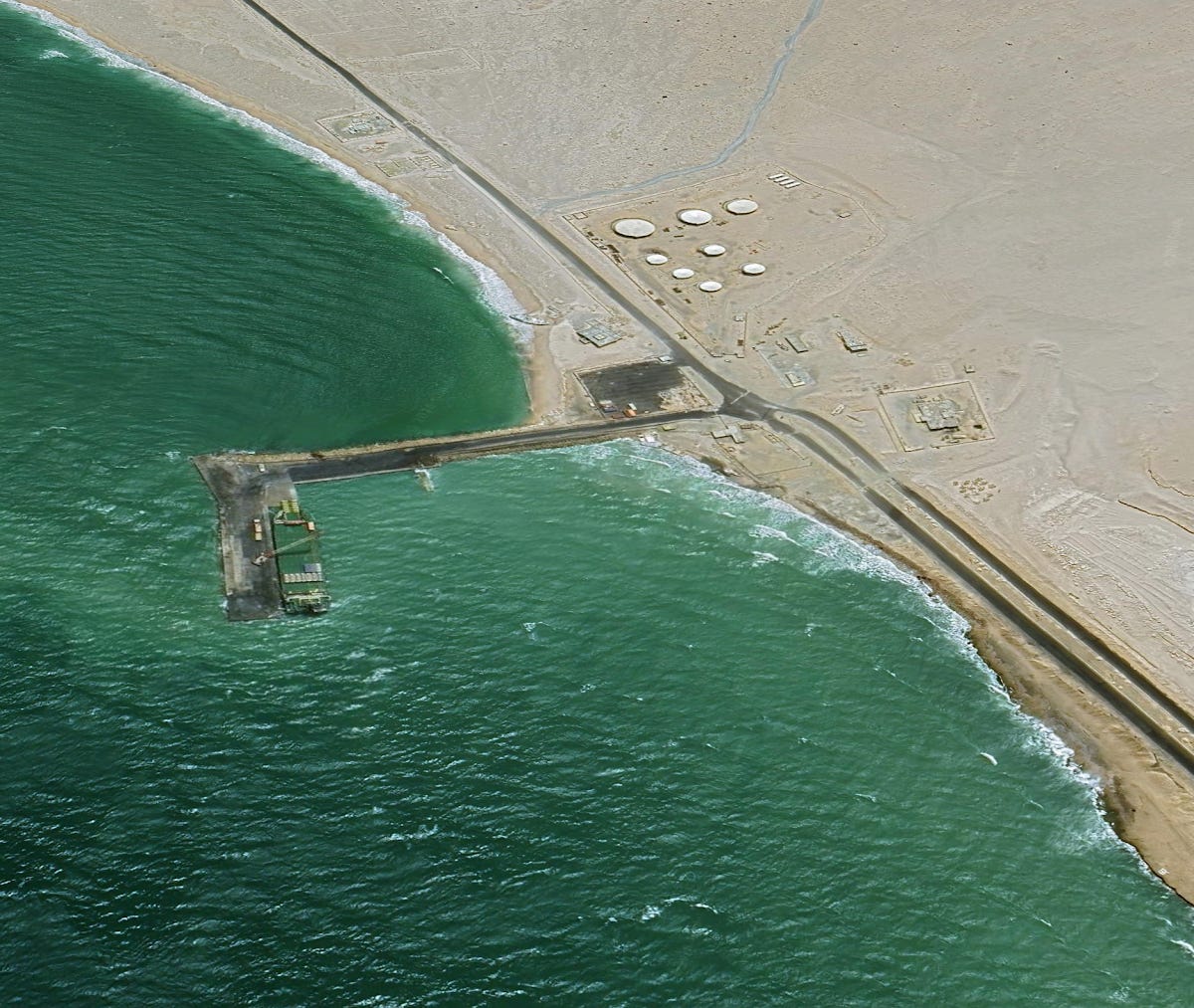
Here’s a side-by-side comparison with the port of Singapore:
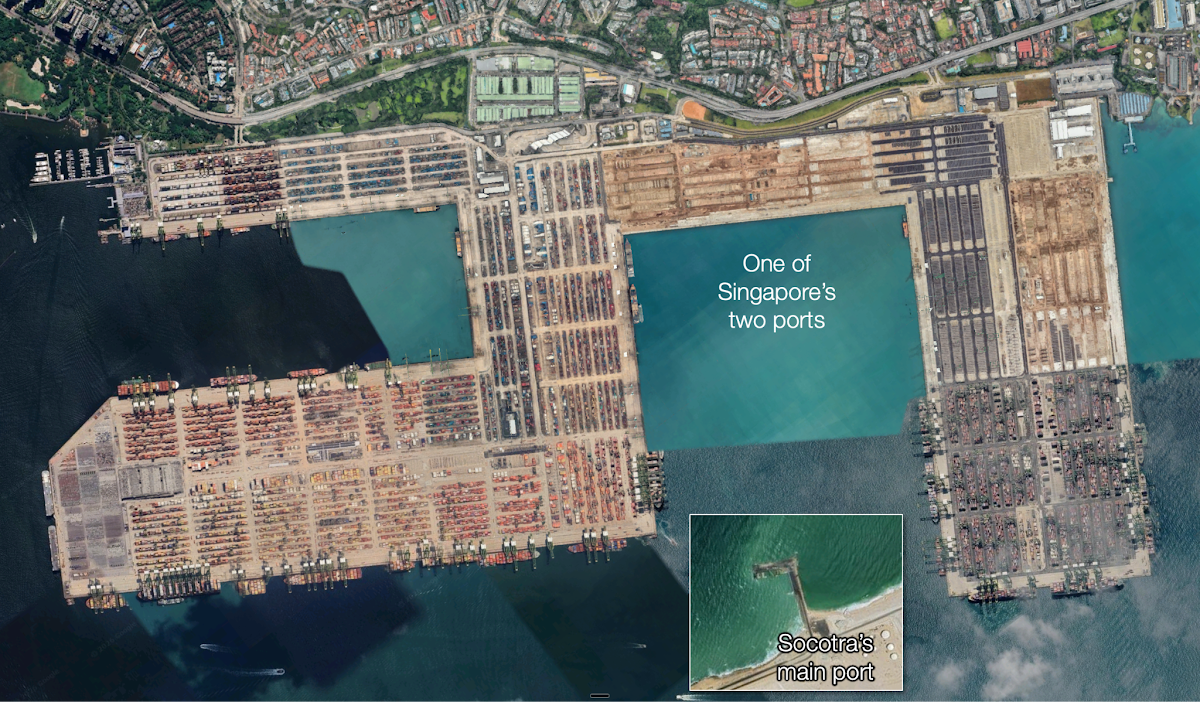
Why so puny? There are two reasons.
1. Politics
For a port to work well, it needs to be backed by an amazing jurisdiction. I discussed it for Dubai here. Socotra is anything but:
Formally, it belongs to Yemen today
But Yemen is a pretty young state, and it’s spent most of its existence either split, in civil wars, or both
Theoretically, the island is controlled by the southern Yemenis, who are in turn backed by Saudi Arabia
But the United Arab Emirates also vie for the same piece of land. They even occupied the island recently.
The island is closer to Somalia than it is to Yemen, and the Somalian coast has pirates.
So much conflict. The fiction writes itself!
2. Geographic Isolation & Desolation
Historically, island ports were not that successful because the point of a port was to trade the goods from a place’s hinterland with the world (eg, London traded everything from and to England via the Thames, Amsterdam everything from the Netherlands, etc.). Island ports are a recent thing, when trade became global, with the Portuguese.1
But even during the Age of Discovery, when naval powers like Portugal, Spain, the British, the Dutch, or the Ottomans fought each other, Socotra didn’t become an important base. The Portuguese occupied it for a few years and then simply abandoned it. Something similar would happen with the British three centuries later. They basically abandoned it when Yemen became independent in the 1960s, and it has remained mostly abandoned since. Why?
First, it’s super dry. It gets very little rainfall (like Somalia and Arabia nearby), so it doesn’t have a great water source. With no water, it can produce little agriculture, so it has a small population (little consumption, little production) and can’t export much food.
Second, it doesn’t have a great natural deepwater port. To bring big ships, it would need to be dredged, which is just too expensive.
Was.
Both of these problems can be solved with technology:
Water can be desalinated
Machines can dredge ports
This, combined with solar energy that can bring a lot of cheap electricity to the island (and hence cheaper dredging and water desalination), means Socotra, for the first time in history, has potential for development. With enough investment and technology.
Who would build a new jurisdiction in Socotra?
What if the best entrepreneurs in the world, working in highly regulated industries, were free to build unimpeded? Like The Avengers, but for tech.
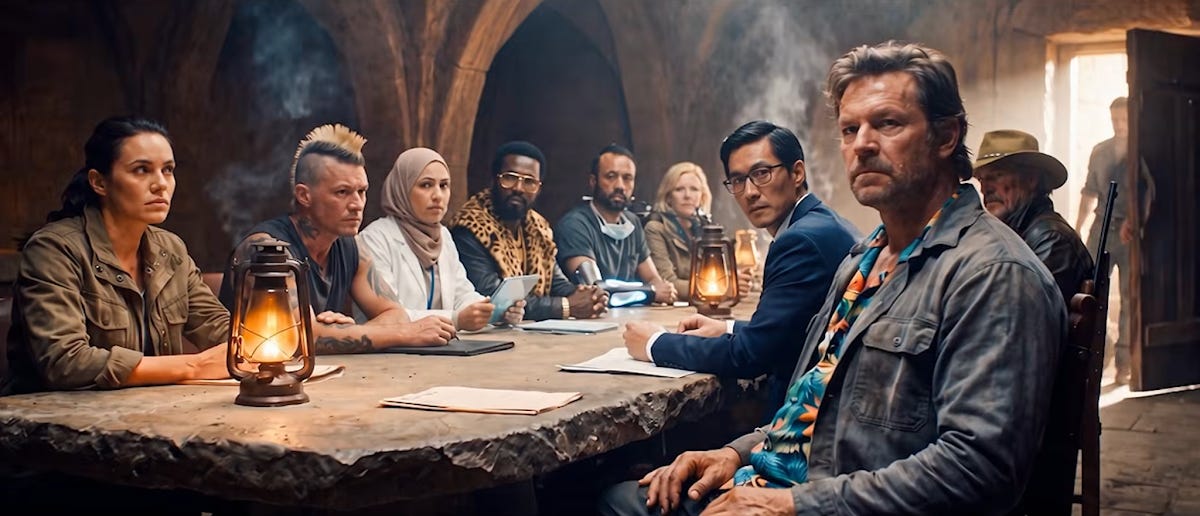
I’ve witnessed some of that first hand in places like Network School and Prospera, or when traveling across the world to meet entrepreneurs and mavericks. Many of these characters are inspired in real-life ones.
Fertility
What if we could have children without getting pregnant? Gametogenesis, embryo selection, and artificial wombs will make having children much easier and dramatically increase fertility. But there are lots of regulations and social stigma associated with this. A fertility founder could research freely in this new jurisdiction, which could engender a huge population boom.
But then what happens when families have dozens of children?
Urbanism
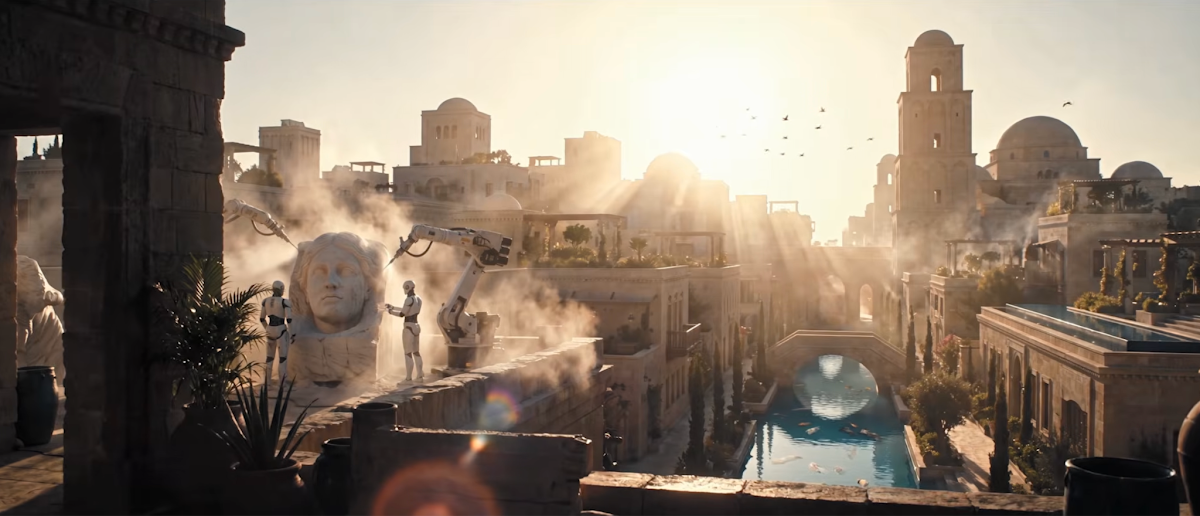
What if buildings and streets were beautiful, with amazing facades, lots of people walking around, sun, plants, and water everywhere, and no cars—because vehicles circulate beneath the city?
Security
What if police could have eyes, ears, and enforcement everywhere in public life, but they never abused this power? Children could walk freely anywhere on their own. You could do anything, anywhere, as long as you don’t bother others. It would be the end of going home before dark because of crime, the end of avoiding neighborhoods, of crossing the street because somebody looks suspicious, of shutting up when somebody is doing something disrespectful, for fear of getting hurt in retaliation…
But would the security police never abuse their power?
Schooling
What if students received personalized AI tutoring one-on-one, and were then guided in projects inserted in the tapestry of the city, rather than secluded in the prisons we call schools?2
Geoengineering
What if we could desalinate all the water we wanted, irrigate any area of an island to grow new forests, create lakes, make rain at will, or lower temperatures of entire regions?
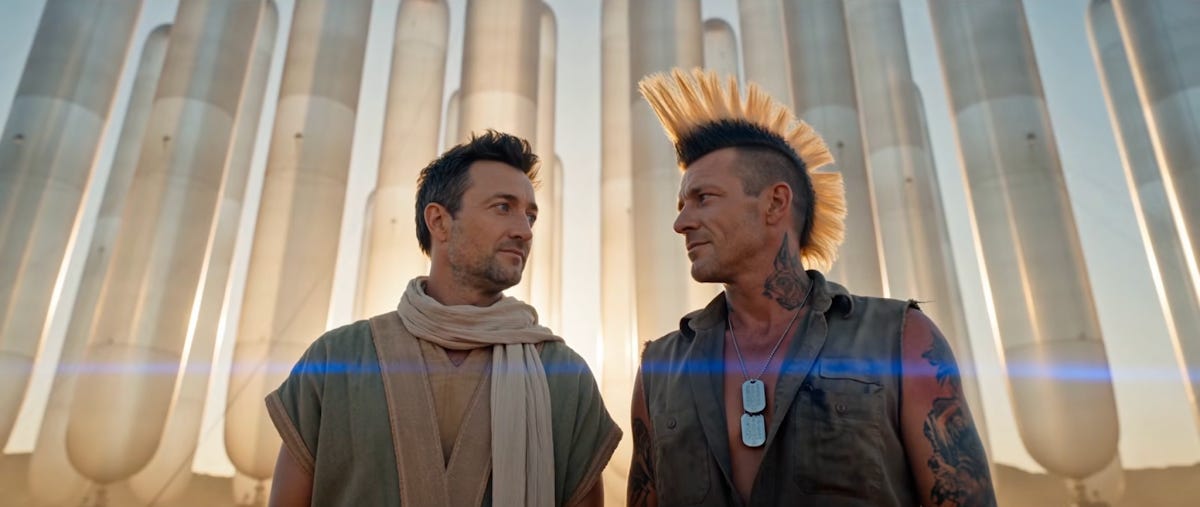
What if some of these interventions improved the world as a whole, but had unintended consequences on some countries?
Food
What if automated vertical farms and sea fertilization could produce more food than we could ever eat, at a price so low that we would just pick what we wanted to eat, and eat it? What if that was prepared and served by robots, so we finally unshackle ourselves from the eternal servitude to food?

Finance
What if our financial system could not be intervened with by governments, and rulers couldn’t deny access to banking to people they disagree with?
De-Extinction
What if we were able to bring back species that have long disappeared from the face of the Earth?
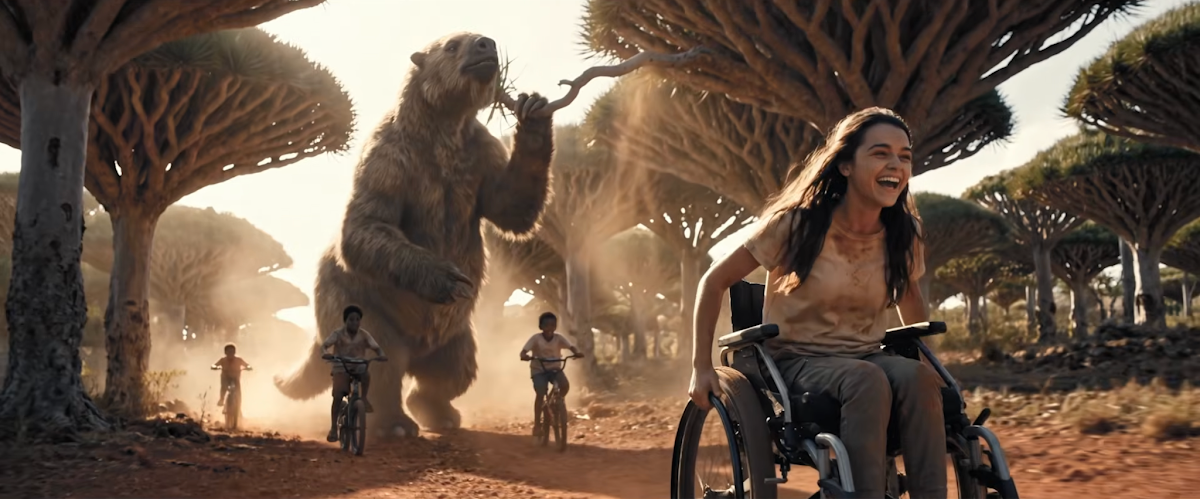
But what if the way to make this research viable is to allow their hunting?
Healthcare
What if trying new treatments was optimized, accelerating the arrival of cures for all types of diseases?

But what if advancing in this tech meant testing faster… and more humans died in the trials?
Given that people see the costs of these technologies before their benefit, the series will show people living these benefits, while also displaying the costs, so it can explore in a nuanced way the pros and cons of every technology.
Why So Many Characters?
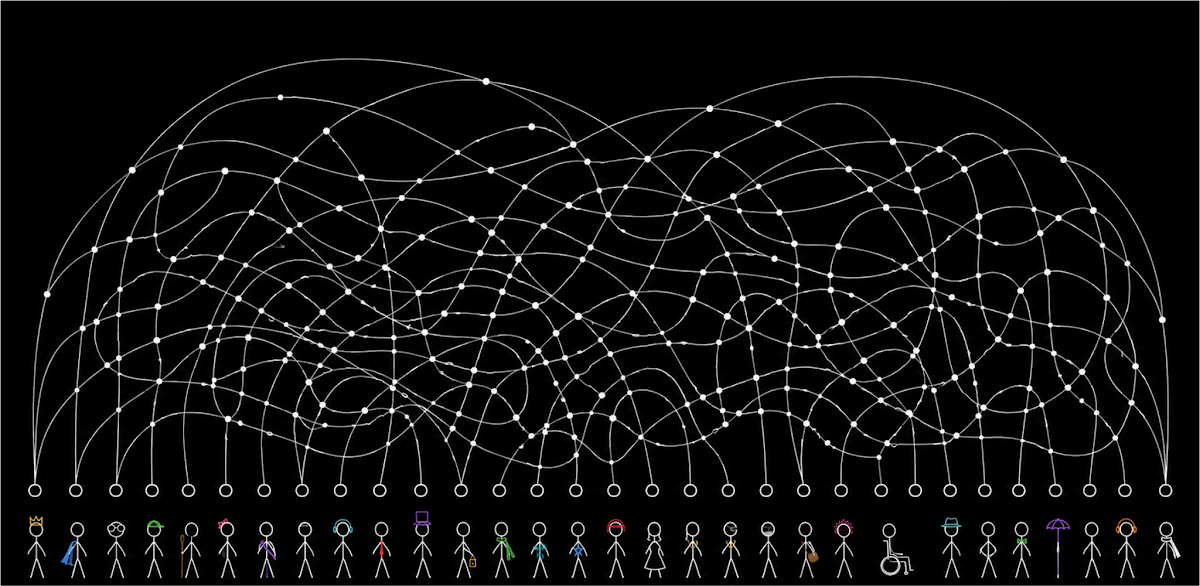
So far, I have about 30 with a sizable role, and I’ll probably need more. That’s because I need characters who represent each of the techs (there’s about 10 of these), and each of the arenas (four for China, a handful for Islam…), and then I need to give them emotional stakes to make you care about them, which means additional characters that then need their own function besides emotional connection.
Why a Series, not a Movie?
If you want to go deep into each of these technologies, seeing their pros and cons, you need a long time to understand them, see them evolve, see how they fail, and experience the beautiful world they create.
Also, if we’re going to see a new city / jurisdiction be created, that takes time, even in TV-land.
Each of the characters must also follow an arc, an evolution that illustrates the themes. When you have dozens of these evolutions, you must take the time to show them.
What Did You Learn Making This Trailer and Treatment?
To apply for the competition, we had to prepare a trailer of up to 3 minutes, and also a 12-page treatment (basically a document that outlines the story and the characters).
In a perfect world, I would write the treatment, and then once it’s ready I would decide what parts of it to extract to distill into a script for the trailer. Then, I’d write the script, and could finally hand that off to the trailer team to make the visuals.
Unfortunately, I am not perfect and I don’t live in a perfect world. Instead, I spent the summer writing articles in Malaysia with my wife and four children, and the place we were staying closed (more on that next week), and we got lice before we came back, and all the while I was writing the story while writing the script while working with an agency to make the trailer. But then if I had not bitten off more than I could chew, I would not have chewed it, and I wouldn’t have a TV series project, at the cost of a couple of years of aging in five weeks. Anyway the lesson here is don’t be like me.
How do you write as a side project a three-season series with 25 characters across five arenas in five weeks with no fiction-writing experience?
Some would say “Poorly”. They might not be wrong. But I still have some learnings for you.
The issue with so many characters is that they are impossible to hold in your brain at the same time: The story is about their interactions, but with so many, they have thousands of potential interactions—impossible to keep track of. The main challenge is that, once you’re in somebody’s brain, you see everything from their point of view: Their goals, their needs, their actions. It’s very difficult to hold one other person’s perspective at the same time, let alone 25. That prevents you from even getting the overarching plot, because it should be the result of these interactions.
I researched how other TV series creators did it. My main references were The Wire, Mad Men, Breaking Bad, and Game of Thrones. In most cases, they didn’t have much beyond the first season:
Breaking Bad had the main arc of the protagonist, and that’s it. For example, the second main character was supposed to die in the first season.
Mad Men had the main character’s personality and flaws figured out, and the key concepts of the first and last episode of the series.
The Wire had the high-level concept for the series, and the detail of the first season, but it didn’t know what each season would be about
Luckily, I knew early on how it would end, and I had several setpieces I wanted to hit along the way. So in some way, I already had more detail than these creators. Unfortunately, I felt that I had to complete a reasonable draft of the entire three seasons for the competition. I needed a more detailed project than what these superb creators had… Luckily, George RR Martin, the writer of the hyperdetailed books behind Game of Thrones, has discussed this.
Apparently, he knew the big shape of the story early on: the three big conflicts, who died and who didn’t, the main character arcs… Then, he took one character at a time, and he would write several chapters getting himself in that character’s mind, leading it towards the next point he had clarity on. This allowed each character to feel really alive and realistic: GRRM really gets into each of their heads. He called it gardening, as opposed to architecting.
Once he did that with one character, he moved to the next character, and did the same. This allowed every character to move forward, at the cost of creating content incongruent with other characters’ stories. So when he would write a new character that braided with an existing one, he would frequently have to go back and rewrite the characters he had already written. This iteration would build little by little the overarching story, and frequently he had to change the big setpieces altogether, as they didn’t fit what real characters would do. This is how you end up with thousands of pages per book and leave your audience waiting for 15 years before finishing the next book.
Alas, I didn’t have 15 years, I had five weeks, so I had to compress that somehow. The way I did it was to write the entire story for each one of the arenas: one for Socotra, another for Islam, China, and Mars (the West was a reaction to the others). Once I broadly knew where each was going to go, I took the main characters in each, and wrote them. I did that for about a dozen of the main ones. Once that was done, I had massive amounts of complexity and plots that were incompatible, but that’s where AI is really good. It is trivial for it to pinpoint inconsistencies, and even propose solutions. I’d say 25% of the solutions were good, but 100% of the problem identification was right.
Once I had that, I rewrote the entire series. Now, I have seven pages of a highly consistent storyline, with all the main characters contributing to the plot, with their own arc.
Overall, the arena stories took 30% of the time, the development of the top 12 characters about 50% of the time, and the remaining 20% was putting the storyline together.
What is AI good and bad at for this?
AI is amazing at identifying problems: inconsistencies, weaknesses in the plot, times where characters are flat, when their arc fails, when they don’t move the story forward…
Ideas for solutions are hit or miss: character arcs, setpieces, background story… It would frequently propose stuff that was stale, cliché, or boring. It preferred standard solutions to interesting ones.
It had blind spots when something was coherent but boring. For example, one character was super boring, and the AI kept inserting him in different places, doing different things that were all boring. It’s also not great at figuring out what a character would do in a certain situation. I think both of these issues are in part due to the training, which makes characters converge towards agreeableness and consensus rather than conflict.
I came out of this thinking that, with proper prompting and harnessing, and with better visualizations of story elements, we might be close to designing AI products that can write interesting stories. But not yet.
What did you learn from making the trailer?
I hired an agency to make the actual video, so I haven’t learned much on the video making itself—I plan to remedy that in the future. So the learnings were about everything else. Many of these points will be very obvious to people who work in this space, so this is for everybody else:
A ~2min video made by great agencies costs ~$20-$25k. I didn’t meet with the very top agencies, but with some great ones, some of which have won awards.
Normally, the process is to get a script first. Then, you extract the characters and locations, and create sheets for them.

Once you have the characters, arenas, and key visual elements nailed, you make a storyboard to test the story. And from there, you start producing the actual videos.
The vast majority of the work was actually the early one: characters and arenas. It was relatively fast to produce the videos afterwards!
My plan was to iterate on the script while making the trailer: As we explored concepts, I would update the script. That didn’t work for the agency. It was easier for them if everything was mostly established from the beginning. I don’t think that’s great, but I do think more work upfront would have made the process less painful and the outcome better.
I tended to focus more on the geopolitical stakes, but they fell flat because there were no emotional stakes. Who are we building this for? When I introduced the protagonist’s wife and daughter, it became much better.
The storyboard was great to see many parts of the story didn’t work, and we had to remake the script.
Partners might resist dailies (a daily meeting where you review what has been done, correct it, and discuss what comes next), but I found it fundamental. I used to do this in tech (“daily scrums”), and found them mostly a waste of time, but here they were necessary, maybe because the team didn’t know each other well yet.
People just don’t understand what you have in mind. When you think you’re obvious enough, you’re not. We had to make the story 10x more explicit than we originally thought. In articles, people take the time to consume the nuances. In a 3 minute trailer, it’s just too fast, there’s too much information, people won’t perceive every detail you plant.
As a result, we inserted text cards throughout the trailer telegraphing the theme, and it immediately became more understandable.
It’s impossible for you to know if your story is understandable after some time, because you know it too intimately. Every now and then you need to present it to fresh people who have never seen it, otherwise people project what they already know about the project into the trailer to make sense of it. In other words, you quickly become blind to your own story. Ideally, you’d do this throughout the process, and always ask a new person what they understood from the trailer.
In the back and forth adding and cutting scenes, it’s easy to lose track of some connections. You end up with orphaned scenes that don’t make sense, in some cases losing key elements. Having somebody fresh watch it should correct that.
When Will We Learn If Uncharted Territories Won?
I finished the application last Saturday (hence why no articles last week), and now we need to wait until the end of the month to know if we made it to the top 25, and then the top 10 will be announced in early September. The announcement of the winner will be on September 25th, at the Moonshots event in Los Angeles that the organization kindly invited me to, so I’ll be there.
If you think this series is awesome and you’d like to see it made, or you’re a professional in the field and are interested in actually making it, please let me know! I have little experience in the industry, so any thoughts are welcome.3
Now, if you haven’t yet, please go watch that trailer, like it, and share it around!
As we just saw, there were exceptions, like Dilmun (present-day Bahrain).
I’ll write a full series of articles on this!
All participants in the competition have exclusivity with the production company Range until September 25th, when hopefully Uncharted Territories will win the $2.5M in financing for producing the series. In the unlikely case that this doesn’t happen, I’ll be open to finding other producers, so if you know any who could be interested, I’ll take that interest then!
I love the white mirror positive angle, but disappointed you’re making government the bad guy. Not what we need right now, it’s glaringly red-coded, and there are many many examples of major innovations created and supported by government, that could not have happened otherwise.
Surprising that Atlas Shrugged is not in the inspiration list. The 'regulations bad' plot line along with 'smart entrepreneurial people band together to build the new society away from the old world' reminds me of this book quite a bit. Are you familiar with the works of Ayn Rand?